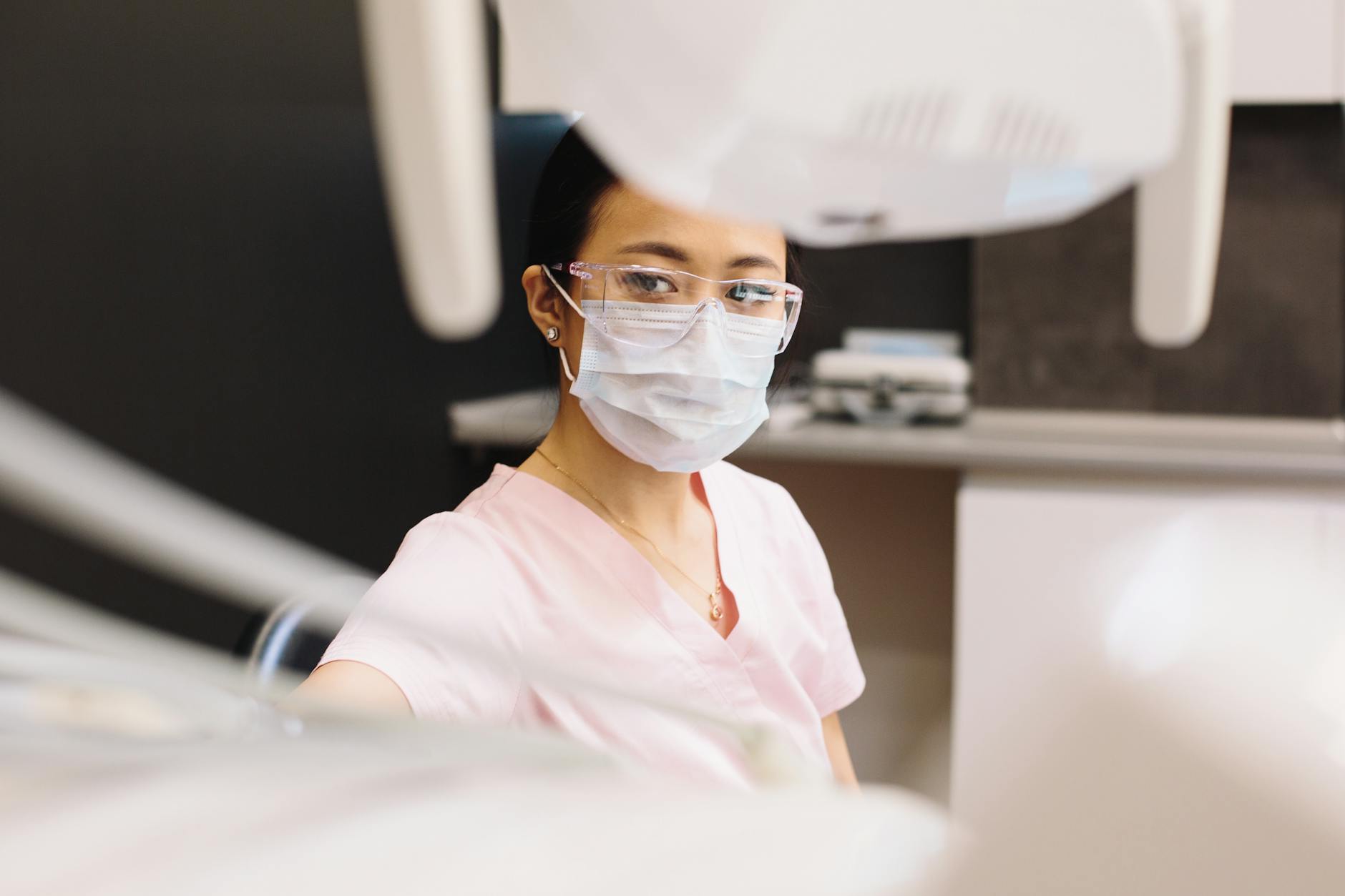
Understanding the Causes of Tooth Loss
Tooth loss usually happens for two main reasons: sudden injury or ongoing dental disease. A blow to the mouth from sports, a fall, or biting something hard can knock a tooth out or split it beyond repair, while gum disease and deep decay gradually weaken the bone and tooth structure until a tooth becomes loose or breaks. Cracks that spread, failing old fillings, and crowding around wisdom teeth can also set the stage for a lost tooth. A dentist for lost tooth emergencies will focus on identifying what caused the loss so the next steps protect your comfort and oral health.
Injuries are unpredictable, but certain habits and health factors raise risk over time—untreated gum inflammation, smoking, dry mouth, nighttime clenching or grinding, and frequent acid exposure can erode support around teeth. If a permanent tooth just came out, handle it by the crown (top), briefly rinse if dirty, and keep it moist—best in milk or tucked in your cheek; do not scrub the root or let it dry. If you’re comfortable, you can gently place it back in the socket without forcing it, apply light pressure with clean gauze to control bleeding, use a cold compress to the cheek for swelling, and take over-the-counter pain relievers as directed—never place aspirin on the gums. If the tooth is cracked or a piece broke off, our page on emergency tooth repair explains what urgent care may involve. Prompt evaluation during business hours helps us manage pain, check for hidden damage, and discuss options to protect your bite; our Glendale office is open 9:00am – 5:00pm, Mon – Thurs, and 9:00am – 2:00pm Fri. When to call now: reach out today if a tooth was knocked out or feels loose, or if pain and swelling are getting worse.
When to Call a Dentist
If an adult tooth has been knocked out, loosened, or pushed out of position, call a dentist right away. The sooner you’re evaluated, the more options there may be to protect your tooth and gums. Call a dentist for lost tooth injuries during our business hours: 9:00am–5:00pm Monday–Thursday and 9:00am–2:00pm Friday. If you’re unsure whether it can wait, err on the side of calling; our Glendale team will advise you on next steps and timing.
- An adult tooth is fully out of the socket or noticeably loose after an injury.
- Bleeding doesn’t slow after 10 minutes of gentle pressure.
- The tooth looks higher, lower, or shifted; your bite suddenly feels “off.”
- New facial swelling, numbness, or pain that makes it hard to eat or speak.
- Sharp broken edges are cutting your cheek or tongue, or you have saved fragments.
Until you’re seen, handle a knocked-out tooth by the crown (the chewing surface), not the root. If it’s dirty, briefly rinse with milk, saline, or clean water—do not scrub or remove attached tissue. Keep the tooth moist: place it in a clean container with milk or saline; a fully alert adult may tuck it inside the cheek, but avoid this for children. Control bleeding with gentle pressure using clean gauze or a soft cloth, and apply a cold compress to the outside of the cheek for comfort. Do not place aspirin on the gums. Bring the tooth or any fragments with you; if the tooth chipped rather than came out, see options for emergency tooth repair. When to call now: If an adult tooth is out, loose, or the area is bleeding or swollen, call during business hours immediately.
Immediate Actions After Losing a Tooth
If a permanent tooth is knocked out, quick, careful steps can help protect the tooth and your mouth until a dentist can assess you. Stay calm, handle the tooth correctly, and keep it moist while you arrange in-person care. Follow the guidance below and plan to call our Glendale office during business hours as soon as you’re able.
- Pick up the tooth by the white chewing surface (crown), not the root. Avoid wiping, scrubbing, or removing any soft tissue attached to the root.
- If the tooth is dirty, briefly rinse it with milk, sterile saline, or clean water; do not use soap, alcohol, or chemicals, and do not dry it.
- If you feel comfortable and it’s an adult tooth, gently place it back into the socket facing the right way and bite softly on clean gauze or a cloth to hold it; do not force it.
- If you cannot reinsert it, keep the tooth moist—ideally in milk or saline in a clean container. Adults may place it in the cheek to bathe it in saliva; for children, use a container to avoid a choking risk.
- Control bleeding with steady, gentle pressure on the socket using clean gauze or a cloth. Apply a cold compress on the cheek for comfort. You may use over-the-counter pain relievers as directed; do not place aspirin on the gums.
- Avoid sucking through a straw, smoking, hot liquids, or biting on the injured area. Bring the tooth and any fragments with you to your visit.
Time matters for knocked-out teeth, so coordinate care quickly during our business hours (9:00am–5:00pm Mon–Thu, 9:00am–2:00pm Fri). Call our Glendale team for step-by-step guidance and to arrange an exam; depending on your injury, options may include stabilizing the tooth and repairing damaged edges—learn more about emergency tooth repair. If you’re searching for a dentist for lost tooth right now, keep the tooth moist and bring it with you to your appointment. When to call now: contact our Glendale office during business hours immediately after a tooth is knocked out or becomes very loose.
Home Care Before Your Appointment
If a tooth has come out or you’re holding a piece of one, focus on protecting the tooth and your mouth until we can see you. Keep the tooth moist, control bleeding gently, and avoid anything that could irritate the area. Call our Glendale office during business hours (9:00am–5:00pm Mon–Thu, 9:00am–2:00pm Fri) so a dentist for lost tooth concerns can advise you on next steps and arrange a visit.
Start by locating the tooth or fragments and handle them only by the crown (the chewing surface), not the root. If dirty, briefly rinse with clean water or saline for a few seconds—do not scrub, use soap, or remove attached tissue. If it’s an adult tooth and you feel comfortable, gently place it back into the socket facing the right way and bite softly on clean gauze to hold it in place; do not attempt this with a baby tooth. If you can’t reinsert it, keep the tooth moist in a small, clean container with milk or saline; as an alternative, you may tuck it between your cheek and gums if you’re not at risk of swallowing it (do not use this method for children). For bleeding, place gentle pressure with gauze or a clean cloth for 10–15 minutes; add a cold compress to the outside of your face in short intervals to help with swelling. If you can take them safely, over-the-counter pain relievers as directed may help; avoid aspirin directly on the gums, alcohol-based mouthwash, smoking, and very hot or cold foods. Keep the area as clean as you comfortably can—once bleeding slows, a light rinse with lukewarm saltwater can be soothing—then avoid chewing on that side. Bring the tooth or fragments with you to the appointment; if the tooth is broken rather than fully out, ask about emergency tooth repair when you call. When to call now: contact us immediately during business hours if the tooth was completely knocked out, bleeding doesn’t slow after 10–15 minutes of pressure, or pain is severe—our team will guide you between 9:00am–5:00pm Mon–Thu and 9:00am–2:00pm Fri.
What to Expect at Your Visit
When you arrive, our team will promptly assess your injury, help control discomfort, and determine whether the tooth can be repositioned or if another approach is best. You can expect a calm, step-by-step visit that focuses on stabilizing the area, protecting nearby teeth and gums, and planning safe next steps. Seeing a dentist for lost tooth concerns as soon as you can helps reduce risks and supports better outcomes.
We’ll begin with a brief discussion of how the tooth was lost, when it happened, and any symptoms you’re noticing, followed by careful X-rays to check the socket and surrounding structures. If you’ve brought the tooth with you, keep it moist (milk or your own saliva are fine) and handle it by the crown, not the root—at the office we’ll gently rinse it and evaluate if immediate replantation is appropriate. If replantation is possible, we’ll numb the area for comfort, place the tooth back into the socket, and stabilize it with a small splint; if the socket or gums are injured, we may clean and protect those tissues. If the tooth cannot be reimplanted, we’ll clean the site, protect neighboring teeth, and discuss temporary options to fill the space while we plan follow-up. We’ll review safe comfort measures, how to keep the area clean, what to avoid eating, and your follow-up schedule; in some cases, a reimplanted tooth may later need an emergency root canal treatment in Glendale to address nerve injury, and we’ll explain what signs to watch for. Before you leave, you’ll have written instructions and a clear plan for check-ins during our business hours (9:00am–5:00pm Mon–Thurs, 9:00am–2:00pm Fri), with guidance on how to reach us if questions come up. When to call now: If your tooth came out today, bleeding isn’t slowing, or pain is escalating, call our office during business hours for same‑day attention.
How to Manage Pain and Discomfort
When a tooth is lost or knocked out, pain often comes from the exposed socket and surrounding gums. You can take a few safe steps to soothe the area and protect it until we examine you. If you need a dentist for lost tooth care, call during our office hours so we can assess the site and guide next steps. We’re here in Glendale Monday–Thursday 9:00am–5:00pm and Friday 9:00am–2:00pm for prompt, in-person care.
Keep the area clean and moist: gently rinse your mouth with lukewarm water; avoid scrubbing the socket. If you have the tooth, hold it by the crown (the chewing surface), not the root. If it’s an adult tooth and you feel comfortable, you may try to place it back into the socket without forcing; if that’s not possible, keep it moist in cold milk or saline—do not reinsert a baby tooth. To reduce bleeding, place clean gauze or a soft cloth over the socket and bite with steady pressure for 10–15 minutes, replacing as needed. Apply a cold compress on the cheek in short intervals to help with swelling; avoid heat on the face. For discomfort, consider an over‑the‑counter pain reliever as directed; do not place aspirin directly on the gums. Chew on the opposite side, skip hard or spicy foods and alcohol-based rinses, and cover any sharp edges nearby with dental wax or sugar-free gum. For additional comfort tips, see our emergency tooth pain relief guidance. When to call now: contact our Glendale office during business hours if pain is escalating, bleeding doesn’t slow with firm pressure, or you’re unsure how to safely store the tooth so we can advise and arrange a same-day visit.
The Importance of Timely Dental Care
When a tooth is knocked out or severely loosened, getting care quickly can preserve more options, protect nearby teeth and gums, and reduce the risk of infection. Prompt evaluation during business hours also helps manage pain safely and plan the next steps without delay. If you’re searching for a dentist for lost tooth in Glendale, call during our business hours (9:00am–5:00pm Mon–Thurs, 9:00am–2:00pm Fri) so we can guide you and offer a same-day visit when appropriate.
- Handle the tooth by the crown (the chewing surface), not the root; avoid wiping or scrubbing it.
- If dirty, gently rinse with milk or saline; do not use soap or tap water, and don’t dry it.
- If it’s an adult tooth and you feel safe, you may gently place it back in the socket and hold with light pressure; do not force it and do not reinsert a baby tooth.
- If you can’t reinsert, keep the tooth moist in milk or saline; as a last resort, hold it in your cheek if it’s safe to do so (not for young children).
- Control bleeding with gentle pressure using clean gauze or a soft cloth and apply a cold compress on the cheek for comfort; avoid placing aspirin on the gums.
Minutes matter most right after the injury, but even if more time has passed, being seen the same day during business hours can still help protect your oral health and map out a stable plan. If the tooth fractured rather than fully came out, you can also review how we approach emergency tooth repair so you know what to expect when you arrive. When to call now: during business hours if the tooth came out today, bleeding doesn’t slow with gentle pressure, or facial swelling is increasing.
Options for Replacing a Lost Tooth
When a tooth is missing, common replacement options include a dental implant, a bridge, or a removable partial denture. The best choice depends on your oral health, the location of the gap, and how quickly you need to restore your smile and chewing. At your visit, we’ll examine the area, review your goals, and discuss a temporary way to hold the space while a long‑term solution is planned.
Dental implants replace the root with a small post in the bone that supports a custom crown; they don’t involve neighboring teeth and can help maintain jawbone where the tooth was lost. A traditional bridge is a fixed option that anchors to the teeth on either side of the space; it’s helpful when those neighbors already need crowns, but it does require reshaping them. A resin‑bonded (Maryland) bridge can be a conservative choice for some front teeth, sometimes used as an interim solution. A removable partial denture replaces one or several teeth and can be used short‑term while you heal or as a longer‑term option if it fits and functions well. Early on, a temporary “flipper” or clear retainer with a tooth may be used to protect appearance and keep the space from drifting while you decide on definitive care. Until we see you in person, gently rinse with lukewarm saltwater, avoid chewing hard or sticky foods on that side, and use clean gauze if there’s minor oozing; bring any tooth fragments you have. A dentist for lost tooth care in Glendale will outline which path fits your mouth and timeline after an in‑person exam; call during 9:00am–5:00pm Mon–Thurs and 9:00am–2:00pm Fri to be seen promptly—When to call now: contact us if you’ve recently lost a tooth, notice shifting or sharp edges, or your temporary came loose.
Preventive Measures for Tooth Loss
Preventing tooth loss comes down to protecting your teeth from injury and getting small problems checked before they turn into bigger ones. Address chips, cracks, bleeding gums, or lingering tooth sensitivity promptly; early evaluation gives you more options to keep teeth stable. Wear a mouthguard for contact sports, don’t use your teeth to open packages, and avoid chewing ice or hard objects that can fracture enamel. If you’re worried after a bump to the mouth, a same-day exam during business hours can be the safest next step.
At home, keep things gentle: stick to soft foods if a tooth feels tender or slightly loose, rinse with lukewarm saltwater to keep the area clean, use a cold compress on the cheek for swelling, and take over-the-counter pain relievers as directed if needed; avoid placing aspirin on the gums or biting on the affected tooth. If hot or cold sensations linger more than a few seconds, schedule an exam—prompt care for possible nerve irritation, including an emergency root canal treatment in Glendale, may help preserve your natural tooth. If you notice wear from grinding, ask about a night guard; and if a tooth chips, save any pieces in a clean container and bring them to your visit. We encourage you to call during business hours (9:00am–5:00pm Mon–Thu, 9:00am–2:00pm Fri) so a dentist for lost tooth concerns can assess your situation and outline next steps. When to call now: if a tooth is loose, newly painful to bite on, or you’ve had a blow to the mouth today.
Recognizing the Signs of Tooth Trauma
Tooth trauma can range from a small chip to a knocked-out tooth, and the warning signs aren’t always obvious right away. Knowing what to watch for helps you act before symptoms escalate. If you’re searching for a dentist for lost tooth help after a fall or bite mishap, use the guide below to decide your next steps and plan an exam during normal hours.
- A tooth that feels loose, “high,” or completely out of the socket. Gums may bleed, and the tooth can shift when you bite or touch it.
- Pain that lingers after hot or cold or throbs on its own. This can indicate deeper nerve irritation; learn more with emergency root canal treatment in Glendale.
- Visible crack or chip, sharp edges, or pain when biting down or releasing. Structural damage can worsen with use.
- Gum or facial swelling, persistent bleeding that doesn’t slow with gentle pressure, or a pimple-like bump on the gum. These may signal tissue injury or infection.
- Tooth color change (gray, brown, or darkening) hours or days after an injury. Discoloration can follow internal bruising.
- Bite feels “off,” difficulty closing teeth together, or jaw soreness after impact. This may suggest displacement or a fracture near the root.
Until you can be seen during business hours (9:00am–5:00pm Mon–Thu, 9:00am–2:00pm Fri), gently rinse with lukewarm water; apply a cold compress to the cheek; and avoid chewing on the injured side. If a tooth is knocked out, handle only the crown, briefly rinse off debris, try to place it back in the socket and hold with light pressure, or keep it moist in milk or saline; save any broken pieces; and use over-the-counter pain relievers as directed (never place aspirin on the gums). When to call now: if a tooth is out, very loose, bleeding won’t slow, or pain/sensitivity is increasing, call our Glendale office during business hours for prompt in-person care.
Emotional Impact of Losing a Tooth
Sudden tooth loss can feel shocking—there’s pain, surprise, and a rush of worries about what comes next. You might worry about your smile, talking, eating, or unexpected time away from work or school. These reactions are common, and there are practical steps you can take right now while you arrange care. Speaking with a dentist for lost tooth concerns during business hours can help you feel more in control.
Start by protecting the area and keeping calm. If there’s bleeding, place gentle pressure with clean gauze or a soft cloth; hold a cold compress on the cheek to reduce swelling. Handle any tooth or fragments by the top (crown), not the root; do not scrub; keep them moist in milk or your own saliva in a clean container. Take over-the-counter pain relievers as directed (never place pills directly on the gum), and avoid chewing on that side or very hot or cold drinks. Our Glendale team can examine the injury, discuss comfort options, and review short-term and longer-term solutions; if the issue is a chip or break, learn about emergency tooth repair. Please call during our business hours—9:00am – 5:00pm, Mon – Thurs, and 9:00am – 2:00pm Fri—so we can guide next steps and reserve time for you. When to call now: if a tooth was knocked out, bleeding doesn’t slow with pressure, you have facial swelling that’s increasing, or pain is severe.
Common Myths About Lost Teeth
When a tooth is knocked out or comes loose, myths spread fast and can cost you time. The truth is simple: avoid damaging the root, keep the tooth moist, and get in to a dentist as soon as you can during normal hours. Handle the tooth only by the crown (the white chewing part), gently rinse off visible dirt with saline or milk if needed, and store it in milk or saline—not water—while you head to our Glendale office. Our team is available 9:00am–5:00pm Mon–Thurs and 9:00am–2:00pm Fri to assess the injury and guide next steps.
Myth: “It’s fine to wait and see.” Reality: Minutes matter with a lost tooth, so same‑day care during business hours is important. Myth: “Rinse with tap water or scrub it clean.” Reality: Do not scrub or use soaps/chemicals; a brief, gentle rinse with saline or milk protects delicate root cells. Myth: “Put it on ice.” Reality: Cold can harm the root surface; keeping the tooth moist in milk or saline is safer. Myth: “Use glue or a temporary cement at home.” Reality: Adhesives can injure tissues and complicate care. Myth: “Baby teeth should be put back in.” Reality: Do not attempt to reinsert a baby tooth; a dentist will evaluate the area and developing tooth underneath. Myth: “If it doesn’t hurt, it’s not urgent.” Reality: Nerve sensation isn’t a reliable guide; gum and bone can be injured even without severe pain. If the tooth is chipped or fractured rather than fully out, our emergency tooth repair page explains how we approach those cases. If you’re searching for a dentist for lost tooth help, call our Glendale office during 9:00am–5:00pm Mon–Thurs or 9:00am–2:00pm Fri so we can advise you and reserve time to see you; when to call now: if a tooth was knocked out, a tooth is very loose, or bleeding won’t slow with gentle pressure.
Frequently Asked Questions
Here are quick answers to common questions people have about Dentist Help for a Lost Tooth in Glendale, AZ.
- What should I do immediately after losing a tooth in Glendale, AZ?
If you’ve just lost a tooth, keep calm and handle the tooth by its crown (the white chewing surface), not the root. Briefly rinse any dirt off with milk or saline, and keep the tooth moist in milk or saline. Call a local Glendale dentist during business hours for guidance and prompt care.
- Can I put a knocked-out tooth back in its socket?
If it’s a permanent tooth and you feel comfortable, you may gently place it back into the socket facing the right way. Avoid forcing it and hold it in place with gentle pressure using clean gauze. Do not reinsert baby teeth. Seek immediate dental care in Glendale during business hours.
- What should I avoid doing with a knocked-out tooth?
Avoid handling the root of the tooth, scrubbing it, or letting it dry out. Do not use water, chemicals, or soaps to rinse the tooth. Keep it moist in milk or saline, and avoid placing it on ice as cold temperatures can damage the root.
- How can I manage pain after losing a tooth?
To manage pain, gently rinse your mouth with lukewarm water and avoid chewing on the affected side. Use over-the-counter pain relievers as directed and apply a cold compress to the cheek. Avoid placing aspirin directly on the gums. Contact a Glendale dentist during business hours for further assistance.
- Is it urgent to see a dentist if my tooth is knocked out but not bleeding?
Yes, it is urgent. The absence of bleeding doesn’t mean the situation isn’t critical. Prompt evaluation by a dentist for a lost tooth is important to protect your oral health and explore treatment options. Visit a Glendale dentist during business hours for same-day care.
- Why is time critical after losing a tooth?
Time is crucial because the chance of successfully reimplanting a knocked-out tooth decreases the longer it is out of the mouth. Quick action helps preserve more treatment options and protect the surrounding tissues. Contact a Glendale dentist immediately during business hours.
- What signs indicate I need to call a dentist for a lost tooth?
If your tooth is out of its socket, is very loose, or there is persistent bleeding or increasing pain, contact a dentist promptly during business hours. These signs mean urgent care is necessary to prevent further complications.
Medical sources (PubMed)
- Carrasco-Labra A, et al. JADA. 2024. “Evidence-based clinical practice guideline for the pharmacologic management of acute dental pain in adolescents, adults, and older adults: A report from the American Dental Association Science and Research Institute, the University of Pittsburgh, and the University of Pennsylvania.”. PMID: 38325969 / DOI: 10.1016/j.adaj.2023.10.009
- Carrasco-Labra A, et al. JADA. 2023. “Evidence-based clinical practice guideline for the pharmacologic management of acute dental pain in children: A report from the American Dental Association Science and Research Institute, the University of Pittsburgh School of Dental Medicine, and the Center for Integrative Global Oral Health at the University of Pennsylvania.”. PMID: 37634915 / DOI: 10.1016/j.adaj.2023.06.014
- Cope AL, et al. Cochrane Database Syst Rev. 2024. “Systemic antibiotics for symptomatic apical periodontitis and acute apical abscess in adults.”. PMID: 38712714 / DOI: 10.1002/14651858.CD010136.pub4
- Pigg M, et al. J Endod. 2021. “New International Classification of Orofacial Pain: What Is in It For Endodontists?”. PMID: 33340605 / DOI: 10.1016/j.joen.2020.12.002
- Pergolizzi JV, et al. Expert Opin Pharmacother. 2020. “The pharmacological management of dental pain.”. PMID: 32027199 / DOI: 10.1080/14656566.2020.1718651
- Wang B, et al. Int Endod J. 2025. “Multiple cell death modalities and immune response in pulpitis.”. PMID: 39257034 / DOI: 10.1111/iej.14145