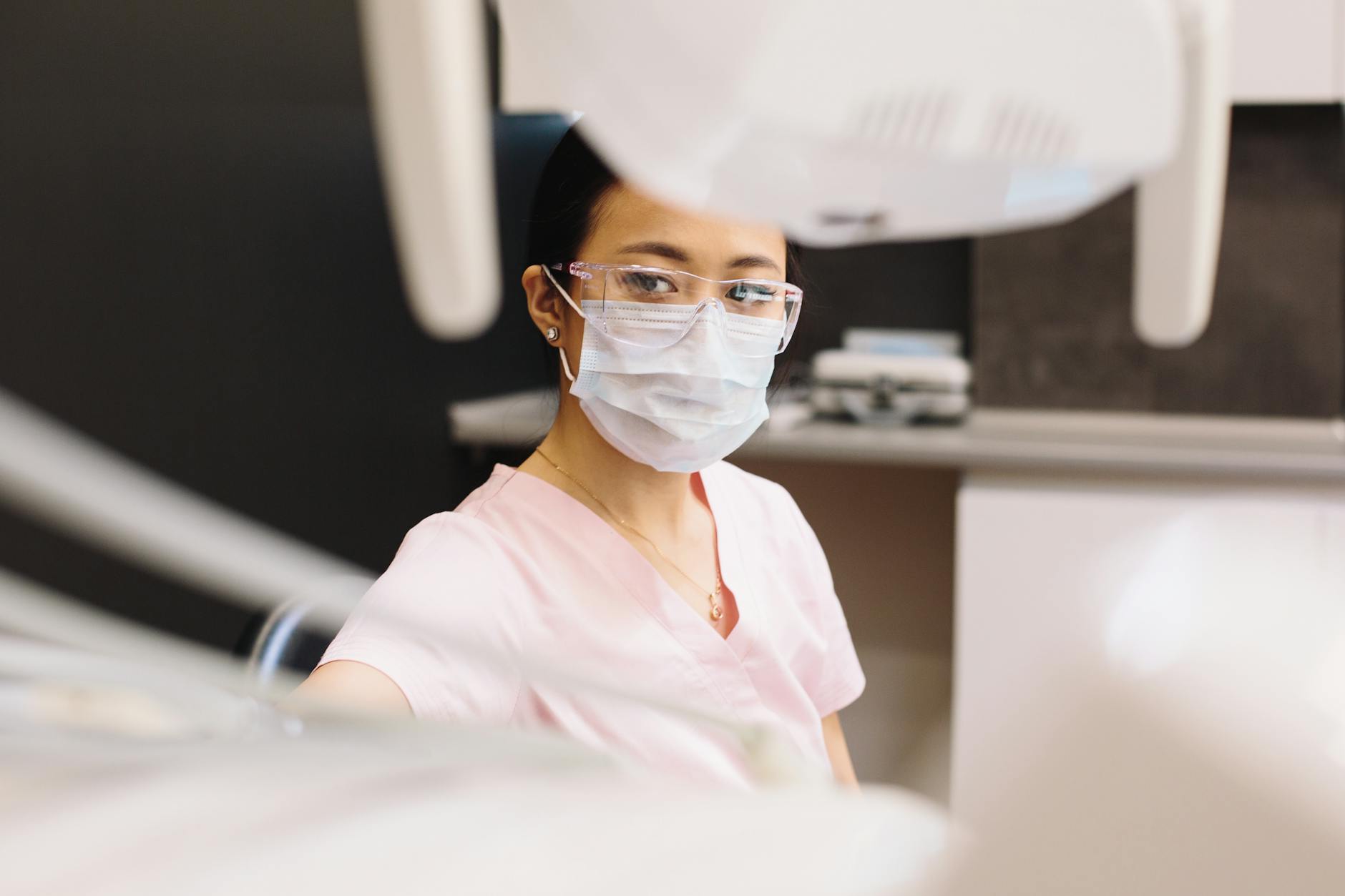
What is an Emergency Dentist?
An emergency dentist is a general dentist who reserves time to treat urgent problems the same day. They evaluate pain, swelling, broken or dislodged teeth, infections, and lost restorations, then stabilize the situation and outline next steps. When you search for an emergency dentist open now, you’re looking for a practice prepared to prioritize urgent needs during actual office hours, not a 24/7 promise. In Glendale, that means calling during 9:00am–5:00pm Mon–Thu and 9:00am–2:00pm Fri so our team can guide you and arrange prompt care, with the goal of reducing discomfort, preventing complications, and setting a clear plan.
During an emergency visit, we triage symptoms, take any necessary X‑rays, keep you comfortable, and provide immediate steps to protect the tooth and surrounding tissues. Depending on what we find, that may include smoothing a sharp edge, placing a temporary restoration, addressing an infection, or outlining next steps toward definitive treatment; we’ll clearly explain your options before any procedure. We’ll also review your medical history and current medications, discuss comfort measures for the visit, and, when appropriate, coordinate referral to a specialist such as an endodontist or oral surgeon. Until you’re seen, you can gently rinse with lukewarm water, apply a cold compress to the cheek in short intervals, and use over‑the‑counter pain relievers as directed if appropriate for you; avoid chewing on the area and do not place aspirin on the gums. For toothache comfort tips, see our emergency tooth pain relief resource; phone advice is limited, and an in‑person exam is the safest way to find the cause. We keep same‑day space available for true emergencies whenever capacity allows and will offer the earliest appointment with clear instructions on what to do before you arrive. When to call now: if you have severe tooth pain, facial swelling, fever with a dental source, a broken or sharp tooth edge, or bleeding that doesn’t slow with gentle pressure, call during our posted hours so we can prioritize your visit.
When to Call a Dentist
Call a dentist as soon as you notice dental pain, swelling, or a broken tooth that interferes with eating, sleeping, or work. During business hours (9:00am–5:00pm Mon–Thurs, 9:00am–2:00pm Fri), our Glendale team can guide you by phone and reserve the earliest exam if needed. If you’re searching for an emergency dentist open now, remember that timely daytime care helps prevent small issues from becoming more complicated. If you’re unsure whether it’s urgent, a quick call lets us triage your symptoms and advise you on next steps today.
Reach out the same day for toothache that lingers with hot or cold, a chipped or cracked tooth with sharp edges or pain, gum swelling or a pimple-like bump on the gums, a tooth that was knocked loose or out, a lost filling or crown causing sensitivity, bleeding that doesn’t slow with gentle pressure, or any jaw injury from a fall or sports. If something is stuck between teeth, try gentle flossing only—never use pins or sharp objects. While you wait to be seen, you can rinse gently with lukewarm water, use a cold compress on the cheek in short intervals, avoid chewing on the sore side, and, if appropriate for you, take an over-the-counter pain reliever as directed—never place aspirin on the tooth. If a crown comes off, keep it in a clean container and bring it to your visit; for a knocked-out adult tooth, keep it moist in saliva or milk and avoid scrubbing the root. For comfort guidance before you arrive, see our emergency tooth pain relief resource. Call now if pain is getting worse, swelling is spreading, or you’re unsure whether a problem can wait.
Types of Dental Emergencies
“Dental emergency” covers problems that demand prompt attention for pain, infection, or damage to teeth or gums. Common examples include severe toothaches, broken or knocked‑out teeth, facial swelling, and injuries that won’t stop bleeding after gentle pressure. Not every situation is identical, but if something hurts, broke, or is swelling, it’s safest to be assessed the same day to protect your comfort and health. Our Glendale team addresses urgent needs during business hours (9:00am–5:00pm Mon–Thu, 9:00am–2:00pm Fri).
Tooth pain that throbs or lingers with hot or cold can indicate irritation or infection; gently floss to clear food, rinse with lukewarm water, use an over‑the‑counter pain reliever as directed, and never place aspirin on the tooth or gums (see emergency tooth pain relief). A cracked, chipped, or broken tooth should be kept clean; save any fragments, place a cold compress on the cheek for 10 minutes on/off, and cover sharp edges with dental wax or sugar‑free gum until you’re seen. If a tooth is knocked out or suddenly loose, handle it by the crown only and keep it moist in milk or saline—do not scrub it. Lost fillings or crowns expose the tooth to sensitivity; bring the piece with you and avoid chewing on that side. Swelling in the face or gums, a pimple‑like bump, foul taste, or fever are signs to be evaluated promptly; do not apply heat. Soft‑tissue cuts in the lips, cheeks, or gums may bleed—hold firm, gentle pressure with clean gauze and use a cold compress. If you’re searching for an emergency dentist open now, call during the hours above so we can guide you and arrange prompt care. When to call now: call during our business hours if pain keeps you from sleeping or eating, you notice facial swelling, an adult tooth is knocked out or loose, or bleeding continues after gentle pressure.
What to Expect at Your Visit
If you’re searching for an emergency dentist open now, your visit is designed to quickly find the source of your discomfort and help you feel more comfortable. After a brief check-in, we’ll ask about your symptoms and health history, take focused X-rays if needed, and the dentist will perform a targeted exam. The immediate goal is to ease pain safely, then explain what’s happening in clear terms. You’ll get straightforward options so you can choose the next step that fits your situation.
During business hours (9:00am–5:00pm Mon–Thurs, 9:00am–2:00pm Fri), we prioritize urgent needs and work to see you as promptly as possible. Depending on what we find, same-day care may include smoothing a sharp edge, placing a protective temporary restoration, stabilizing a loose or chipped area, or numbing the tooth to address pressure from infection; if the nerve is involved, the dentist may recommend emergency root canal treatment in Glendale. If a tooth isn’t restorable, we’ll discuss extraction options and timing in a way that’s safe and clear. Before any procedure, we review the steps, comfort measures (like local anesthetic), and after-visit instructions, then answer your questions so you can make an informed decision. While you’re on your way, keep the area clean, avoid chewing on the sore side, and use a cold compress on the cheek for swelling; sip lukewarm water if temperature sensitivity is high. Call as early as you can during business hours so we can triage your needs and offer the first available time; call now if you have severe pain, facial swelling, a knocked-out or broken tooth, or bleeding that doesn’t slow after gentle pressure.
How to Find an Emergency Dentist
Finding an emergency dentist means contacting a local office that can evaluate you the same day and guide you to appropriate care. If you’re searching for an emergency dentist open now in Glendale, call a practice that treats urgent dental problems and ask for a same-day visit. Our team answers calls during business hours — 9:00am–5:00pm Monday–Thursday and 9:00am–2:00pm Friday — to help you get scheduled and advise next steps until you’re seen. Acting quickly helps limit pain and reduces the chance of the problem getting worse.
When you call, briefly describe your symptoms, when they started, and any recent injury; the details help us prioritize and determine whether X-rays or specific treatment may be needed. Confirm the office location, parking access, and the earliest time you can arrive, and bring a photo ID, a list of medications, and any insurance card. Until your visit, you can rinse gently with lukewarm water to keep the area clean, avoid chewing on the sore or broken side, apply a cold compress on the cheek in short intervals, and use an over-the-counter pain reliever as directed on its label unless your physician has advised otherwise. If you’re in significant discomfort while arranging care, see our page on emergency tooth pain relief for what to expect when you arrive and how we approach urgent comfort. Please do not place aspirin on the gums, do not try to “glue” a tooth, and save any broken piece in clean milk or saliva in a small container. When to call now: contact us during business hours immediately for severe pain that makes it hard to function, dental trauma, swelling of the face or gums, or bleeding that doesn’t slow with gentle pressure.
Preparing for Your Appointment
Here’s how to get ready so we can evaluate you quickly and safely during business hours. If you’re searching for an emergency dentist open now, call us first so our team can assess the urgency and arrange the soonest appropriate visit during 9:00am–5:00pm Mon–Thu, and 9:00am–2:00pm Fri. We’ll give you simple instructions based on your symptoms and let you know what to bring. Arriving a few minutes early with the right information helps us focus on your care instead of paperwork.
Before you come in, avoid chewing on the sore or injured area and gently rinse your mouth with lukewarm water to keep it clear of debris. If a piece of tooth or filling has come out, place it in a clean container or a small amount of saliva; bring it with you. Apply a cold compress on the cheek (not directly on the tooth) to help with swelling, and consider over‑the‑counter pain relievers as directed if you can take them safely; do not place aspirin on the gums or tooth. If it’s comfortable, keep your head slightly elevated and limit very hot or very cold drinks until you’re seen. Gather a list of your current medications and allergies, a photo ID, any dental appliances (like a night guard), and your insurance card if applicable; jot down when the problem started and what makes it better or worse. For added comfort tips, see our emergency tooth pain relief guidance, and call before you leave so we can prepare the room and reduce your wait. When to call now: reach out immediately during business hours if pain is escalating, you notice facial swelling, or you’ve had a recent injury to the mouth or jaw.
Home Care Before Your Appointment
Home care is meant to keep you comfortable and protect the tooth or gums until we can examine you in person. It is not a cure, and delaying care can make problems harder to treat. If you’re searching for an emergency dentist open now during business hours, call our Glendale team so we can advise you and reserve a visit as appropriate. Our business hours are 9:00am–5:00pm Monday–Thursday and 9:00am–2:00pm Friday.
Rinse gently with lukewarm saltwater (about a half teaspoon of salt in a cup of warm water) for 30 seconds to help keep the area clean; avoid very hot or very cold liquids that can worsen sensitivity. Apply a cold compress to the cheek over the sore area for 10 minutes on, 10 minutes off to help limit swelling; do not place ice directly on the gums or tooth. You may take over‑the‑counter pain relievers as directed on the label if you can safely use them; never place aspirin on the tooth or gums, and avoid topical numbing gels on open or irritated tissue. Brush softly around the area and use waxed floss to gently remove food trapped between teeth—do not use pins, toothpicks, or other sharp objects. If you’re bleeding, place firm, gentle pressure with clean gauze for up to 10–15 minutes, keeping your head elevated. If a piece of tooth or a filling has broken, save any fragments in a clean container, cover any sharp edge with orthodontic wax or sugar‑free gum, and avoid chewing on that side. Choose cool, soft foods and plenty of water; avoid alcohol, tobacco, and very hot or spicy foods until you’re seen. For comfort tips we can provide at your visit, see our emergency tooth pain relief information. When to call now: if bleeding won’t slow with pressure, facial swelling is spreading or paired with fever, or you’ve had trauma to the face or jaw.
Emergency Dentist vs. Regular Dentist
When you search for an emergency dentist open now, you’re looking for a practice that reserves time and protocols to handle urgent problems quickly during business hours. An emergency dentist prioritizes same-day triage for issues like severe pain, broken teeth, and swelling, focusing first on stabilizing you and protecting the tooth. A regular dentist typically books routine cleanings and planned treatments in advance and may not have immediate openings for acute needs. The training is similar, but the priorities, scheduling, and flow are different when you need help right away in Glendale.
Here’s what that difference looks like for you: when you call our Glendale office between 9:00am–5:00pm Mon–Thurs and 9:00am–2:00pm Fri, our team will ask a few brief questions to triage your symptoms and offer the first available urgent visit. At the appointment, expect a focused exam and any needed X‑rays; the goal is to relieve pain, reduce infection risk, and protect your bite, which might involve a temporary measure or moving directly into definitive care if appropriate. Until you’re seen, you can rinse gently with lukewarm saltwater, place a cold compress on the cheek in short intervals to reduce swelling, and use over‑the‑counter pain relievers as directed (do not place aspirin on the gums or tooth). If a piece of tooth has broken off, keep it moist in milk or saline and bring it with you. For additional comfort strategies before your visit, see our page on emergency tooth pain relief. When to call now: contact us immediately during business hours if pain is intense or worsening, you notice facial swelling, or a tooth has chipped or cracked and we are open today.
Cost of Emergency Dental Services
The cost of emergency dental services depends on what’s causing your symptoms, how complex the issue is, and which treatment is needed to make you comfortable and protect your tooth. Your visit typically begins with a focused exam and any necessary X‑rays so we can identify the source of the problem; after that, we review your options and provide an estimate before any treatment starts. If you have dental insurance, HSA/FSA, or other benefits, we’ll help you understand how they may apply to your visit. If you’re searching for an emergency dentist open now, call during our business hours (9:00am–5:00pm Mon–Thu, 9:00am–2:00pm Fri) so we can explain next steps and expected costs for planning.
Costs vary based on whether today’s goal is immediate comfort or definitive care. For example, smoothing a minor chip and placing a protective dressing will differ from rebuilding a broken edge or completing emergency tooth repair. Pain from deep decay or an abscess may require procedures that address the nerve or remove infection, which are generally more involved than quick fixes for irritated gums or a lost filling. We discuss pros and cons of short‑term versus long‑term solutions and outline the time involved, materials needed, and follow‑up care so you can choose what fits your needs and timeline. While you wait for your visit, you can gently rinse with warm saltwater, avoid chewing on the sore side, use a cold compress on the cheek for swelling, and consider over‑the‑counter pain relievers as directed (do not place aspirin on the tooth). For the most accurate estimate and care plan, please call during business hours so we can prioritize an exam and review your options in person; call now if you have significant pain that disrupts sleep, facial swelling, fever, ongoing bleeding, or a broken tooth with sharp edges.
Aftercare Following Emergency Treatment
Good aftercare protects the area we treated, eases discomfort, and helps you get back to normal safely. Follow the written instructions you received today, and keep changes small and gentle for the first day or two. If your visit was urgent in Glendale, we’re here to guide you during business hours as you transition from emergency care to routine healing.
- Control any minor oozing by biting gently on clean gauze for 20–30 minutes; if bleeding does not slow, replace once and keep steady pressure.
- For soreness, use over‑the‑counter medication only as directed by the label or your dentist; never place aspirin on gums, and apply a cold compress to the cheek 10–15 minutes on/off for the first day to limit swelling.
- Keep the area clean: brush and floss carefully around the site, and unless told otherwise, start gentle warm saltwater rinses after 24 hours; avoid vigorous rinsing, spitting, or using a straw for the first day.
- Eat soft, cool foods at first and chew on the opposite side; avoid very hot, hard, crunchy, or sticky foods and alcohol until tenderness improves.
- Take it easy: rest with your head slightly elevated the first evening and skip strenuous exercise for 24 hours; avoid tobacco and vaping while healing.
- If you have a temporary filling or crown, keep sticky or chewy foods away from it; if it loosens, save any piece and call us so we can secure it.
Expect mild tenderness for 24–48 hours; we’ll plan your follow‑up or definitive care during office hours so healing stays on track. If you searched for an emergency dentist open now, remember that smart aftercare plus a daytime check‑in often makes the biggest difference; our hours are 9:00am–5:00pm Mon–Thurs and 9:00am–2:00pm Fri, and you can review additional comfort strategies here: emergency tooth pain relief. Call us now during business hours if you notice increasing facial swelling, uncontrolled bleeding, fever/chills, worsening pain that isn’t helped by medication, or a lost/broken temporary.
Signs You Need Immediate Help
If you’re unsure whether your situation is urgent, a few symptoms clearly mean you shouldn’t wait. Severe, unrelenting tooth pain, facial swelling, a tooth that’s loose, broken, or knocked out, uncontrolled bleeding after an injury or extraction, or pain with fever and a bad taste in your mouth are all red flags. If you’re searching for an emergency dentist open now, these are the signs that call for same-day evaluation during normal business hours. Prompt attention can help control infection, reduce complications, and protect your smile.
Seek care promptly if pain is sharp, throbbing, wakes you from sleep, or lingers after hot or cold; if swelling makes it hard to open your mouth or swallow; if you’ve had a blow to the face or jaw; if a filling or crown has come off and the tooth is sensitive; or if you see a pimple-like spot on the gums with a foul taste. As safe, short-term steps until you’re seen: rinse gently with lukewarm saltwater, apply a cold compress to the cheek, and take over‑the‑counter pain relievers as directed (do not place aspirin on the gums). If a tooth is knocked out, handle it by the crown, gently rinse if dirty, and keep it moist in milk or saliva—do not scrub the root. Avoid chewing on the sore side and skip very hot, cold, or sugary foods. For comfort tips while you arrange a visit, see our emergency tooth pain relief page. Call our Glendale office during business hours (9:00am–5:00pm Mon–Thurs, 9:00am–2:00pm Fri) for guidance and a same‑day evaluation when appropriate. When to call now: facial swelling, fever, uncontrolled bleeding, rapidly worsening pain, or a knocked‑out tooth.
Understanding Tooth Pain Causes
Tooth pain usually starts when the nerve inside a tooth or the tissues around it get irritated, inflamed, or compressed. Common triggers include tooth decay, a cracked or chipped tooth, worn enamel that exposes sensitive dentin, or irritated gums from trapped food or infection. Pain can also be referred: upper back teeth sometimes ache from sinus pressure, and clenching or grinding can cause a dull, widespread ache in teeth and jaw muscles. If pain lingers after hot or cold, worsens with chewing, or feels like a deep throb, it signals that the source is more than simple surface sensitivity and should be checked during office hours.
Until you can be seen, focus on keeping the area clean and calm: gently floss to remove any stuck food, rinse with lukewarm saltwater, place a cold compress on the cheek for short intervals, and take over‑the‑counter pain relievers as directed (never place aspirin on the tooth or gums). Avoid very hot, cold, or sugary foods and chew on the opposite side to reduce irritation. For comfort pointers and what to expect at a visit, see our emergency tooth pain relief page. If you’re searching for an emergency dentist open now, know that our Glendale team prioritizes urgent calls during business hours: 9:00am–5:00pm Monday–Thursday and 9:00am–2:00pm Friday. Call so we can guide you and arrange a prompt evaluation during these times. When to call now: if pain is severe or constant, you notice facial swelling, fever, or you’ve had a recent injury to your teeth or jaw.
Frequently Asked Questions
Here are quick answers to common questions people have about Emergency Dentist Open Now (What That Means) in Glendale, AZ.
- What should I do if I experience a severe toothache outside business hours?
If you have a severe toothache and it’s outside our business hours, focus on simple home care: rinse gently with lukewarm saltwater, apply a cold compress to the cheek, and use over-the-counter pain relievers as directed. Avoid chewing on the painful side. When our office reopens, contact us for a same-day evaluation.
- How do I handle a knocked-out tooth before seeing the dentist?
If a tooth is knocked out, handle it by the crown, not the root. Rinse it gently if it’s dirty, and keep it moist in milk or saliva. Avoid scrubbing the root. Call our office during business hours to arrange a same-day appointment for prompt care.
- Can I see an emergency dentist for a broken dental crown?
Yes, if a crown breaks or falls off, it’s recommended to see an emergency dentist. Keep the crown in a clean container, avoid chewing on that side, and during business hours, contact us for an appointment to secure it back in place.
- What should I expect during an emergency dental visit?
During your emergency visit, we’ll perform a targeted exam, take necessary X-rays, and explain your options. Immediate treatment may include smoothing a sharp edge or placing a temporary restoration. Our goal is to prioritize your comfort and outline next steps clearly.
- How do I choose an emergency dentist open now in Glendale?
Look for a local dental office that prioritizes urgent care during typical office hours. Call to describe your symptoms and request a same-day appointment. Confirm the dental practice’s location and what to bring for your visit, such as ID and any insurance information.
- What are signs I need to see a dentist immediately?
Signs that you should see a dentist immediately include severe tooth pain, facial swelling, a tooth that is knocked out, or uncontrolled bleeding. Call us during business hours for same-day care if these symptoms occur.
- What preparations are needed before an emergency dental visit?
To prepare for your emergency dental visit, avoid chewing on the sore area, rinse your mouth with lukewarm water, and gather your ID and medication list. Arrive early to help us focus on your care rather than paperwork. Apply a cold compress for swelling if needed.
Medical sources (PubMed)
- Carrasco-Labra A, et al. JADA. 2024. “Evidence-based clinical practice guideline for the pharmacologic management of acute dental pain in adolescents, adults, and older adults: A report from the American Dental Association Science and Research Institute, the University of Pittsburgh, and the University of Pennsylvania.”. PMID: 38325969 / DOI: 10.1016/j.adaj.2023.10.009
- Carrasco-Labra A, et al. JADA. 2023. “Evidence-based clinical practice guideline for the pharmacologic management of acute dental pain in children: A report from the American Dental Association Science and Research Institute, the University of Pittsburgh School of Dental Medicine, and the Center for Integrative Global Oral Health at the University of Pennsylvania.”. PMID: 37634915 / DOI: 10.1016/j.adaj.2023.06.014
- Mathis J, et al. J Vet Dent. 2025. “Oral and Dental Pain Management.”. PMID: 39311042 / DOI: 10.1177/08987564241279550
- Mohn A, et al. Eur J Paediatr Dent. 2025. “Dental pain in children: pharmacological management.”. PMID: 40207859 / DOI: 10.23804/ejpd.2025.2190
- Hockaday J, et al. JAAPA. 2025. “A guide to diagnosing and managing dental pain and infections.”. PMID: 40788985 / DOI: 10.1097/01.JAA.0000000000000243
- Cope AL, et al. Cochrane Database Syst Rev. 2024. “Systemic antibiotics for symptomatic apical periodontitis and acute apical abscess in adults.”. PMID: 38712714 / DOI: 10.1002/14651858.CD010136.pub4