Understanding Dental Emergency Cost Factors
Understanding what drives dental emergency cost helps you plan. In Glendale, fees are shaped by the exam and any necessary X-rays, the condition’s urgency (infection, trauma, or broken restoration), the complexity of stabilizing the tooth, and whether you receive temporary relief or definitive treatment the same day. Materials, tooth location, and time required for the procedure also play a role, and recommended follow-up can add to the total. We’ll explain findings and discuss options before any treatment so you can choose the next step that fits your needs.
At your visit, expect a focused evaluation, X-rays if indicated, and a clear plan for relief. Depending on the diagnosis, deep nerve pain may be treated with emergency root canal treatment in Glendale, while a chipped tooth might be smoothed, bonded, or temporarily protected; in some cases, extraction may be recommended. Bring your photo ID, insurance card, and a list of medications; tell us about recent dental work or injuries. Until you’re seen during business hours, you can gently rinse with lukewarm water, apply a cold compress to the cheek for swelling, and avoid chewing on the affected side. When to call now: contact us immediately if pain is increasing, you see swelling, or a tooth cracks or becomes loose.
When to Call a Dentist
Call a dentist as soon as you notice strong pain, facial swelling, a broken or loose adult tooth, a lost filling or crown that’s causing discomfort, or any dental injury. Same-day evaluation during business hours helps prevent small issues from becoming bigger ones. If you’re weighing dental emergency cost against “waiting to see,” remember that delaying care can lead to more complicated treatment. If you’re in Glendale and unsure whether it can wait, a quick call to our front desk can help you decide.
Until you’re seen, rinse gently with lukewarm water, use a cold compress on the cheek for swelling, and take over‑the‑counter pain relievers as directed (do not place aspirin on the gum). Avoid chewing on the sore side, and keep any broken pieces or a dislodged crown in a clean container; if a tooth is knocked out, keep it moist in milk or saliva. For severe toothaches that make it hard to focus or sleep, ask about our emergency tooth pain relief options when you call. Call our Glendale office during business hours now if pain is severe, swelling is spreading, or you cannot control bleeding.
Common Dental Emergencies Explained
Common dental emergencies include severe toothaches, cracked or chipped teeth, knocked‑out teeth, lost fillings or crowns, and gum or facial swelling. Each situation feels urgent for a different reason, but the first step is the same: see a dentist as soon as you can during business hours so we can examine the area and advise next steps. Your dental emergency cost depends on what we find and the care required; after an exam, we’ll review options and discuss expected fees. If tooth pain is your main concern, learn more about emergency tooth pain relief and what a same‑day visit may involve.
- Severe toothache: rinse gently with warm salt water and floss to remove debris; avoid placing aspirin on the gum.
- Broken or chipped tooth: save any fragments in milk, cover sharp edges with dental wax, and use a cold compress.
- Knocked‑out tooth: handle only the crown, lightly rinse if dirty, and keep it moist in milk or saliva; do not scrub the root.
- Lost filling or crown: bring it with you and avoid chewing on that side; a temporary dental material can help protect the area.
- Swelling or abscess symptoms: keep the area clean and apply a cold compress; do not apply heat.
- Soft‑tissue injury: apply gentle pressure with clean gauze to control bleeding and rinse with mild salt water.
What to Expect at Your Visit
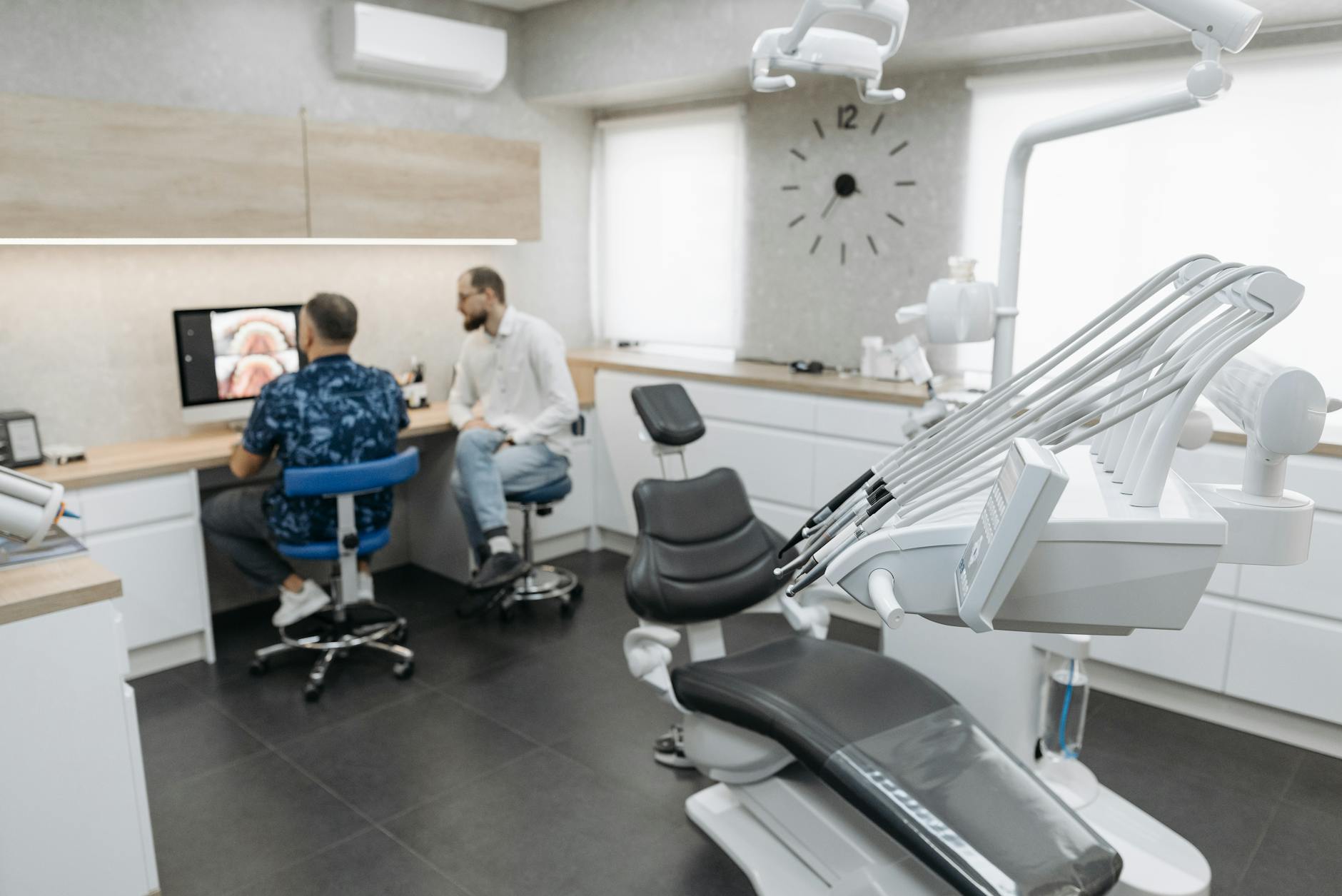
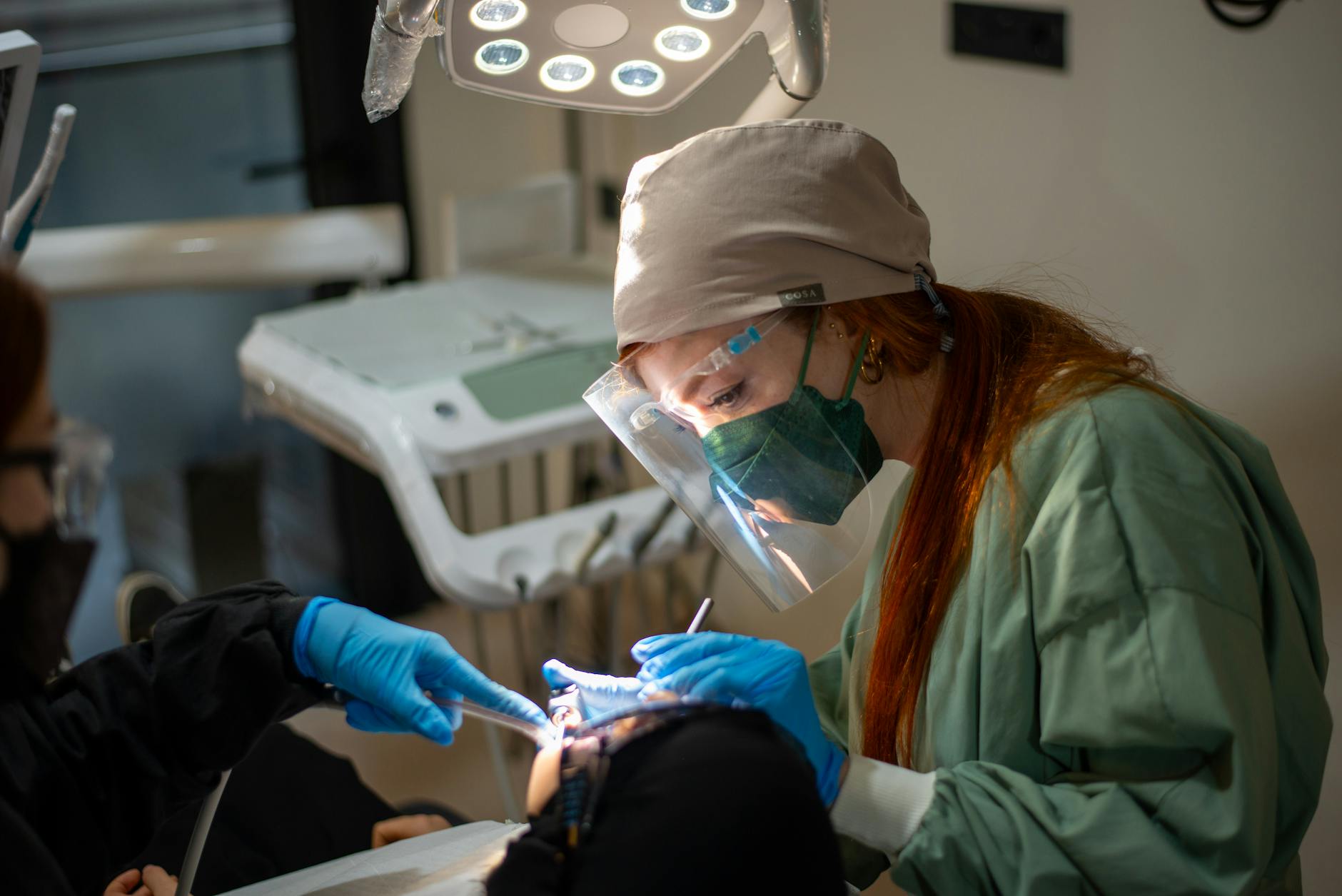
When you arrive for an emergency appointment, we focus on comfort first and a quick, careful evaluation. You’ll check in, tell us what you’re feeling, and we’ll take a focused exam with any X‑rays needed to locate the problem. We explain what we find in plain language and discuss immediate options to control pain and stabilize the tooth. Before any care begins, you’ll receive a clear estimate and we’ll answer questions so you can choose how to proceed during business hours.
Costs vary depending on what’s needed—exam, imaging, and the type of urgent care recommended—and any insurance benefits you may have; we provide a straightforward estimate so you understand the dental emergency cost before you decide on next steps. If you’re headed in, keep the area clean, avoid chewing on the sore side, use a cold compress on the cheek to reduce swelling, and consider over‑the‑counter pain relievers as directed if appropriate for you; avoid placing aspirin on the gums. When appropriate, we may start with measures for emergency tooth pain relief and then outline definitive options. Our goal is to stabilize the situation and help you plan the next visit if additional care is needed. When to call now: reach out during office hours if pain is severe or waking you, you notice facial swelling, or a tooth is broken or knocked out.
Insurance and Payment Options
Concerned about the dental emergency cost? During office hours, our Glendale team can verify your benefits and explain expected out-of-pocket amounts before any urgent care begins. We work with many PPO dental plans, accept HSA/FSA cards, and offer straightforward estimates based on the exam and any X-rays the dentist determines are needed. Any exam, X-rays, or urgent procedures are itemized so you can see what each part of the visit includes. If you’re not using insurance, we’ll discuss payment options in advance so you can choose what fits your situation.
Please bring a photo ID and your insurance card; we’ll provide an itemized receipt you can use for reimbursement if your plan is out-of-network. If you use a dental savings plan, bring that information as well. Co-pays, deductibles, and plan limits vary, so your final cost depends on your coverage and the treatment you select; we’ll review options and timing before proceeding. We accept major debit/credit and can discuss short-term financing if needed; for comfort before your visit, use a cold compress and over-the-counter pain relievers as directed, and avoid placing aspirin on the tooth or gums. Call our office during business hours now if you want us to check your benefits and talk through next steps.
How to Estimate Your Dental Emergency Cost
Your final expense depends on the diagnosis and the care needed to stabilize the tooth. The most reliable way to estimate your dental emergency cost is to schedule a same-day visit during business hours; once the dentist examines the area and reviews any X-rays, the team can explain recommended options and the fees associated with each. Insurance plans, deductibles, and annual maximums vary, so coverage will differ person to person. If you do not have insurance, the office can still provide an estimate before you choose how to proceed.
In general, costs are influenced by the type and urgency of the problem (fracture, lost filling, infection), which tooth is involved and how complex the issue is, whether imaging or medication is needed today, and whether follow-up appointments are expected. To get a quicker, clearer estimate when you call a Glendale office, share your symptoms and how the issue started, have your insurance details ready, bring any recent X-rays if available, and list current medications or allergies. If pain lingers with hot or cold, let the team know; the dentist may discuss options such as an emergency root canal treatment in Glendale. Before treatment begins, ask for a written treatment plan outlining steps and expected fees. When to call now: severe pain, facial swelling, fever, or dental trauma.
Home Care Before Your Appointment
While you’re waiting for your appointment during business hours, use simple steps to protect your tooth and stay comfortable. The goal is to keep the area clean, reduce swelling, and avoid anything that could make the problem worse. Skip DIY fixes or hard biting—these short-term measures are just to get you to the chair safely.
- Rinse gently with warm saltwater to keep the area clean; avoid vigorous swishing and alcohol-based rinses.
- Apply a cold compress on the outside of your cheek in 10-minute intervals to help with swelling.
- If you’re bleeding, press a clean gauze pad against the area for up to 15 minutes without checking repeatedly.
- Use over-the-counter pain relievers as directed on the label; never place pills or gels directly on the tooth or gums.
- Avoid chewing on the affected side; choose soft foods and room-temperature drinks, and limit very hot, cold, or sugary items.
- If a sharp edge or a loose cap is irritating your mouth, cover it gently with clean orthodontic wax and bring any pieces with you.
These tips are temporary; you still need an exam to find the cause and recommend care. Taking care of the area and being seen promptly can reduce complications that may increase your dental emergency cost. For additional comfort guidance, see our emergency tooth pain relief resource. Call our office now during business hours if pain is severe, swelling is spreading, you have a fever, or bleeding won’t stop.
Emergency Dental Services Overview
Emergency dental services focus on fast relief and stabilizing urgent problems during regular business hours. At your visit, we perform a focused exam and any needed X-rays to pinpoint the cause, then explain immediate options and next steps. Common issues we address include sudden toothaches, chipped or broken teeth, lost fillings or crowns, gum swelling, and injuries to the mouth. Our Glendale team prioritizes prompt attention when the schedule allows, with clear communication before any treatment is started.
- Brief phone triage to help you manage symptoms and schedule.
- Check-in and focused exam with digital X-rays as needed.
- Targeted comfort measures (local anesthetic or desensitizer).
- Stabilization such as smoothing sharp edges, a temporary filling, or a protective dressing.
- Discussion of findings, options, and timing for definitive care.
- Home-care instructions and medications if appropriate.
Your dental emergency cost depends on the evaluation and whether same-day measures are needed to protect or repair the tooth; we review choices and estimates before proceeding so you can decide what feels right. For severe toothache guidance, see our emergency tooth pain relief. Until you’re seen, rinse gently with lukewarm water, use a cold compress on the cheek in short intervals, and avoid very hot, sticky, or hard foods; do not place aspirin on the tooth or gums. If a crown or piece breaks off, keep it moist in milk or saliva and bring it to your appointment. When to call now: escalating pain, facial swelling, drainage, or bleeding that does not stop.
Duration of a Dental Emergency Visit
Most emergency dental visits focus on quickly assessing the problem, easing pain, and stabilizing the tooth. Many appointments are completed within about an hour, while complex concerns can take longer if imaging, numbing, and a same‑day procedure are appropriate. Your exact time in the chair depends on the type of issue, how long anesthesia takes to work, and whether immediate treatment is advisable. If you’re in pain, come in during business hours so we can evaluate you and outline next steps promptly.
Visit length varies by condition: a small chip may be smoothed or temporized quickly, while deep, temperature‑lingering pain may point to nerve involvement that could require emergency root canal treatment in Glendale. Time is also influenced by necessary X‑rays, your medical history, and how comfortable you are once numb. Because duration can affect dental emergency cost, we’ll explain options and expected visit flow before starting any procedure. If you need to wait a short time before being seen, you can rinse gently with lukewarm saltwater, avoid chewing on the sore side, apply a cold compress to the cheek, and use over‑the‑counter pain relievers as directed (never place aspirin on the tooth). When to call now: contact us during business hours if you have severe tooth pain, facial swelling, fever, or a tooth that broke after a blow or bite.
Follow-Up Care After Treatment
After an emergency dental visit, follow-up care helps confirm healing and maps out the next steps for lasting relief. You may need a short check-in so a dentist can assess your bite, remove or check stitches, review any temporary repair, and plan the final restoration. If temperature-lingering pain continues after today’s visit, you may need emergency root canal treatment in Glendale. Ask what is included in today’s visit and which follow-ups are recommended, as these steps can affect your dental emergency cost.
At home, take medications only as directed and avoid aspirin on the gums; keep the area clean with gentle brushing, and after the first 24 hours you can use warm saltwater rinses to freshen the mouth. Favor soft, cool foods and chew on the opposite side; avoid very hot, hard, or sticky foods that could disturb a temporary or tender area. Use a cold compress on the cheek in short intervals for swelling, rest with your head elevated, and avoid smoking, alcohol, or strenuous activity until a dentist advises otherwise. Do not poke the site with fingers or tools, and use a protective wax cover if a rough edge irritates your cheek or tongue. If a temporary comes loose, bleeding persists beyond mild oozing, or you notice increasing pain, swelling, fever, bad taste, or trouble opening your mouth, call a dentist. When to call now: if symptoms are getting worse or something doesn’t feel right, contact a Glendale emergency dentist during business hours for guidance.
Preventive Measures to Avoid Emergencies
Strong daily habits and smart choices lower the chance of cracked teeth, infections, and last‑minute dental visits. Regular home care and timely checkups catch small issues before they become urgent. Protection during sports, careful food choices, and treating your teeth gently also keep them safer. These habits can reduce urgent visits and the potential dental emergency cost; if anything changes—pain, lingering sensitivity, or a broken edge—call our Glendale office during business hours for guidance.
- Brush twice daily with fluoride toothpaste for two minutes; clean between teeth daily with floss or interdental brushes.
- After snacks or coffee, swish with water and wait 30 minutes before brushing; limit frequent sipping of sugary or acidic drinks.
- Don’t use teeth to open packages; avoid chewing ice, hard candy, and popcorn kernels that can crack enamel.
- Wear a properly fitted mouthguard for sports; if you clench or grind, discuss a night guard at your next checkup.
- If a tooth chips or a filling loosens, avoid that side, save any pieces, and call us during business hours to be seen promptly.
Emergency Dentist Location Considerations
When a tooth problem can’t wait, where you go matters as much as when you go. Choosing an emergency dentist close to where you are right now in Glendale—home, work, or school—can shorten travel time, reduce stress, and help you get in a treatment chair sooner during business hours. Easy parking, straightforward directions, and a team ready for walk-in emergencies all make your visit smoother.
Before you head out, call to confirm same-day availability, on-site digital X‑rays, and whether the office handles urgent procedures such as repairs, extractions, and endodontic care; if your pain is deep and lingers with hot or cold, ask about emergency root canal treatment in Glendale. Consider traffic patterns near Loop 101 and major Glendale corridors, building accessibility (ground-floor or elevator access), and convenient parking so you can arrive safely and on time. If you rely on a friend or rideshare, pick a location that’s easy to reach quickly. Closer offices may also cut down on time away from work and travel-related expenses, which can be part of your overall dental emergency cost. If you’re unsure which nearby office can see you fastest, call us during business hours and we’ll guide you to the most practical option for timely care; call now if you have severe pain, swelling, or facial trauma so we can direct you promptly.
Frequently Asked Questions
Here are quick answers to common questions people have about Cost of a Dental Emergency Visit in Glendale, AZ.
- What factors determine the cost of a dental emergency visit?
The cost of a dental emergency visit depends on various factors such as the type of exam and X-rays needed, the urgency and complexity of the condition, and the materials used. Tooth location and time required for the procedure also influence costs. Whether you receive temporary relief or definitive treatment on the same day can further affect your expenses.
- How can I estimate the cost of a dental emergency if I don’t have insurance?
If you don’t have insurance, the most accurate way to estimate the cost is by scheduling a same-day visit during business hours. The dentist can examine you and review any X-rays to provide clear estimates based on the recommended treatment. The team will discuss payment options in advance so you can choose what suits you best.
- What should I do if my tooth is cracked or chipped?
If your tooth is cracked or chipped, save any fragments in milk, apply a cold compress to the cheek to reduce swelling, and avoid chewing on the damaged side. It’s important to visit a dentist during business hours to assess the damage and discuss treatment options and costs.
- Will delaying treatment increase my dental emergency cost?
Yes, delaying treatment for a dental emergency can lead to more complex and costly procedures. Prompt same-day evaluation during business hours helps prevent smaller issues from becoming significant, potentially saving you from higher expenses down the line.
- What payment methods are accepted for dental emergency costs?
For dental emergency costs, our Glendale office accepts major debit and credit cards, HSA/FSA cards, and offers short-term financing options if needed. If using insurance, we can verify benefits, and out-of-pocket estimates will be provided before any urgent care begins.
- Can a dental emergency be handled without a follow-up visit?
Some dental emergencies can be stabilized during the initial visit; however, follow-up care is often recommended to ensure proper healing and address any long-term restorations. The need for additional visits will be discussed as part of your initial consultation and cost estimate.