Understanding the Impact of Missing Teeth
A missing tooth does more than change how your smile looks—it can affect how you chew, speak, and bite. The open space often allows nearby teeth to drift and the opposing tooth to over-erupt, which can throw your bite off and strain the jaw. Without a tooth root, the jawbone in that area may slowly shrink, and the gap can trap food, making gums more prone to irritation and neighboring teeth more vulnerable to decay. Addressing the space early helps protect the teeth you still have and supports comfortable function.
If you recently lost a tooth—or have a long-standing gap—it’s wise to schedule an exam so we can check your bite, gums, and bone health and talk through next steps. Until we see you, keep the area clean by gently brushing and rinsing with warm saltwater, favor softer foods, and try to chew on the opposite side; if you wear a partial and it breaks, don’t use household glue—bring the appliance with you so we can assess it. Over-the-counter pain relievers can be used as directed if the area is sore, and avoid hard or sticky foods that could stress the surrounding teeth. During your visit, we’ll discuss dentist options for missing teeth that focus on restoring function, protecting neighboring teeth, and fitting your goals and timeline. We see patients during business hours (9:00am–5:00pm Mon–Thurs, 9:00am–2:00pm Fri) in Glendale and can help you plan a safe path forward. When to call now: if a tooth is newly missing, your bite feels different, or you have pain or swelling, please call during business hours so we can guide your next steps.
Common Causes of Tooth Loss
Tooth loss most often stems from a few predictable problems: advanced gum disease that weakens the bone holding teeth, deep tooth decay that compromises the structure or leads to infection, and sudden trauma from sports or falls. Cracks from nighttime clenching or grinding, biting hard objects, and long-term wear or erosion can also push a tooth past the point of repair. Medications that cause dry mouth, tobacco use, and conditions like diabetes can increase the risk for both decay and gum issues, accelerating tooth loss if not addressed. Understanding why a tooth was lost helps you take targeted steps to protect the rest of your smile and, if you’re exploring dentist options for missing teeth, choose solutions that match your needs and prevent repeat problems.
If you’ve had a recent injury or a tooth feels loose or breaks, call during business hours (9:00am–5:00pm Mon–Thu, 9:00am–2:00pm Fri) so we can check stability and comfort as soon as possible. Until you’re seen, rinse gently with lukewarm water, use a cold compress for swelling, avoid chewing on the affected side, and do not place aspirin on the gums; if you have a tooth fragment, keep it moist in milk or saline and bring it with you. If a crown or filling comes off, save it and keep the area clean—do not force it back. Same-day emergency tooth repair may help protect a damaged tooth or reduce further injury. When to call now: if a tooth is knocked out, pain is severe, or you notice facial swelling or uncontrolled bleeding, contact our Glendale office during business hours for urgent evaluation.
When to Call a Dentist
Call a dentist promptly whenever a tooth is missing, newly loose, or a crown, bridge, or denture has failed—delays can allow neighboring teeth to shift and gums to become irritated. If a tooth was knocked out, fractured to the gumline, or you’re in significant pain, contact us the same day; we keep space for urgent care during our office hours. A timely exam also lets our Glendale team explain immediate care and longer-term solutions, and help you weigh dentist options for missing teeth that match your goals and timeline.
Until you’re seen, keep the area clean: rinse gently with lukewarm water or saline, avoid vigorous spitting, and do not probe the socket. If a tooth is knocked out, handle it by the crown, lightly rinse debris, and keep it moist in milk or saline; if it slips back into the socket easily, you may hold it in place with gentle pressure until your visit. For a broken tooth or lost filling/crown, save any pieces, avoid chewing on that side, and consider temporary dental wax to cover a sharp edge. To ease discomfort, apply a cold compress on and off, and take over-the-counter pain relievers as directed; do not place aspirin on the gums. If a denture or partial breaks or causes sore spots, remove it if unstable, switch to soft foods, and bring it with you so we can assess repair or replacement options; see our page on emergency tooth repair for what we address during urgent visits. Please call during business hours—9:00am–5:00pm Monday through Thursday, and 9:00am–2:00pm Friday—so we can schedule you promptly and advise you on next steps based on what you’re experiencing. When to call now: severe or escalating pain, a tooth that’s knocked out or newly mobile, uncontrolled bleeding, facial swelling or fever, or a broken crown/bridge/denture that makes eating difficult.
Exploring Denture Options
When you’re missing teeth and need a practical way to smile and chew again, dentures can be a dependable, non-surgical solution. Full dentures replace all teeth on the upper or lower arch, while partial dentures fill specific gaps by attaching to healthy neighboring teeth. Some patients choose implant-stabilized dentures for added hold, while others start with a temporary “healing” or interim denture before moving to a longer-term design. As you consider dentist options for missing teeth, we’ll help you compare comfort, appearance, and day-to-day care so you can select what fits your goals and timeline.
At your visit, we’ll evaluate your gums and remaining teeth, discuss your priorities, and outline a step-by-step plan—often including impressions, bite measurements, and try-in appointments to refine fit and appearance. If any teeth are non-restorable, we may first discuss emergency tooth extractions and the possibility of an interim denture during healing; final fit adjustments are common as tissues settle. Until you’re seen, keep the area clean with gentle, lukewarm saltwater rinses, choose soft foods, and avoid very hot, hard, or sticky items; if a current denture cracks, save all pieces and do not use glue. Adhesives can help short-term with a well-fitting denture, but sore spots, looseness, or rubbing are signs to stop wearing it and call for an adjustment. We’re available for prompt in-person care during business hours (9:00am – 5:00pm Mon–Thurs, 9:00am – 2:00pm Fri) so you can move forward safely and comfortably; When to call now: if you just lost a tooth, your denture fractured, or chewing causes gum pain or bleeding.
Dental Implants as a Solution
Dental implants replace a missing tooth root with a biocompatible post that supports a custom crown, bridge, or denture. Because the implant is anchored in the jaw, many people find it a stable, natural-feeling way to restore chewing and help protect neighboring teeth. Whether an implant is appropriate depends on your gum health, bone volume, and overall medical history, which we assess during an in-person exam. As one of the practical dentist options for missing teeth, implants are planned carefully and placed only after we confirm the site is healthy and ready; a single implant may support one crown, a few implants can support a bridge, and in some cases they can help stabilize a full denture.
When you come to our Glendale office during business hours (9:00am–5:00pm Mon–Thurs, 9:00am–2:00pm Fri), our emergency dentist will focus first on comfort, infection screening, and stabilizing any loose or broken tooth. We take targeted X-rays and, when appropriate, 3-D imaging to evaluate the bone and sinuses, discuss risks and alternatives, and map out timing for an implant or other care. If a tooth cannot be restored, we may recommend emergency tooth extractions today and, in some cases, place bone grafting material to help preserve the site for a future implant; if a tooth was knocked out, timing is important and we need to see you as soon as possible. Until you’re seen, gently rinse with lukewarm water, place clean gauze for bleeding, use a cold compress on the cheek, and take over-the-counter pain relievers as directed on the label; avoid chewing on the area, avoid smoking, and do not place aspirin or glue on the gums. If you have the whole tooth, keep it moist in milk or saline and bring it with you; do not scrub the root. We can also discuss a temporary option to fill the space while healing occurs and plan the next steps toward an implant if appropriate. Call now if you have significant pain, swelling, fever, a recently lost tooth, or a tooth that appears non-restorable.
Bridges: A Fixed Solution for Missing Teeth
A dental bridge is a fixed restoration that replaces one or several missing teeth by securing an artificial tooth (or teeth) to the healthy teeth next to the space. Because it is bonded in place, a bridge can restore chewing, prevent neighbors from drifting, and improve speech and appearance without a removable appliance. If you’re comparing dentist options for missing teeth, a bridge is often chosen when you want a stable, non-removable solution that can be planned promptly during regular office hours. At an urgent visit, the dentist evaluates your bite and the supporting teeth to determine if a bridge is appropriate now or if another step is needed first to make you comfortable.
During a same‑day evaluation, you can expect an exam and necessary X‑rays to check the health of the teeth that would support a bridge and the space to be restored; if a support tooth has deep, temperature‑lingering pain or signs of infection, the dentist may discuss addressing the nerve first, such as with emergency root canal treatment in Glendale, before planning the bridge. If you’ve lost or loosened a temporary bridge, place it in a clean container and bring it with you—do not try to glue it yourself; until you’re seen, rinse gently with lukewarm saltwater, avoid sticky or hard foods, chew on the other side, and use a cold compress on the cheek for minor swelling; over‑the‑counter pain relievers can be used as directed on the label if needed. When a bridge is appropriate, the dentist will outline the steps, timing, and interim comfort measures, and may place a short‑term solution to protect the area between visits. Please call during business hours (9:00am–5:00pm Mon–Thurs, 9:00am–2:00pm Fri) so we can guide you and reserve time for urgent care; when to call now: if the gap affects eating or speaking, a temporary bridge is loose or off, or a sharp edge is irritating your tongue or cheek.
Partial Dentures for Gaps in Your Smile
Partial dentures are removable appliances that replace one or more missing teeth by anchoring to your remaining teeth and filling the gap so your smile looks complete again. They help you chew more comfortably and support your speech while also stabilizing neighboring teeth. As one of the common dentist options for missing teeth, a partial can be a flexible option for recent tooth loss or longer-standing gaps without committing to surgery. During your visit, we’ll review your goals and whether an interim partial or a more durable design may fit your needs, and how it could coordinate with future treatments such as a bridge or implant.
At our Glendale office, we begin with a careful exam, discuss your medical history, and take impressions or digital scans to plan a comfortable fit; if a tooth is fractured or sensitive, we’ll first focus on comfort and talk through options such as emergency tooth repair or spacing solutions before a partial is made. Once your partial is ready, we’ll check the bite, refine any pressure points, and show you how to insert, remove, and clean it safely; follow-up visits are scheduled as needed for fine-tuning. While you wait for care, you can gently rinse with warm saltwater, keep the area clean with a soft brush, chew on the opposite side, and avoid very hard, sticky, or extremely hot or cold foods; please do not use household glues on broken dentures or teeth, and bring any broken appliance or tooth fragment to your appointment. We see urgent tooth-loss concerns during business hours—9:00am – 5:00pm Mon – Thurs, and 9:00am – 2:00pm Fri—so call during those times and we’ll advise you on next steps and timing for fittings and adjustments. When to call now: if a tooth was just lost or extracted, your partial cracked or no longer fits, or you notice sore spots, rubbing, or trouble chewing after losing a tooth.
What to Expect at Your Visit
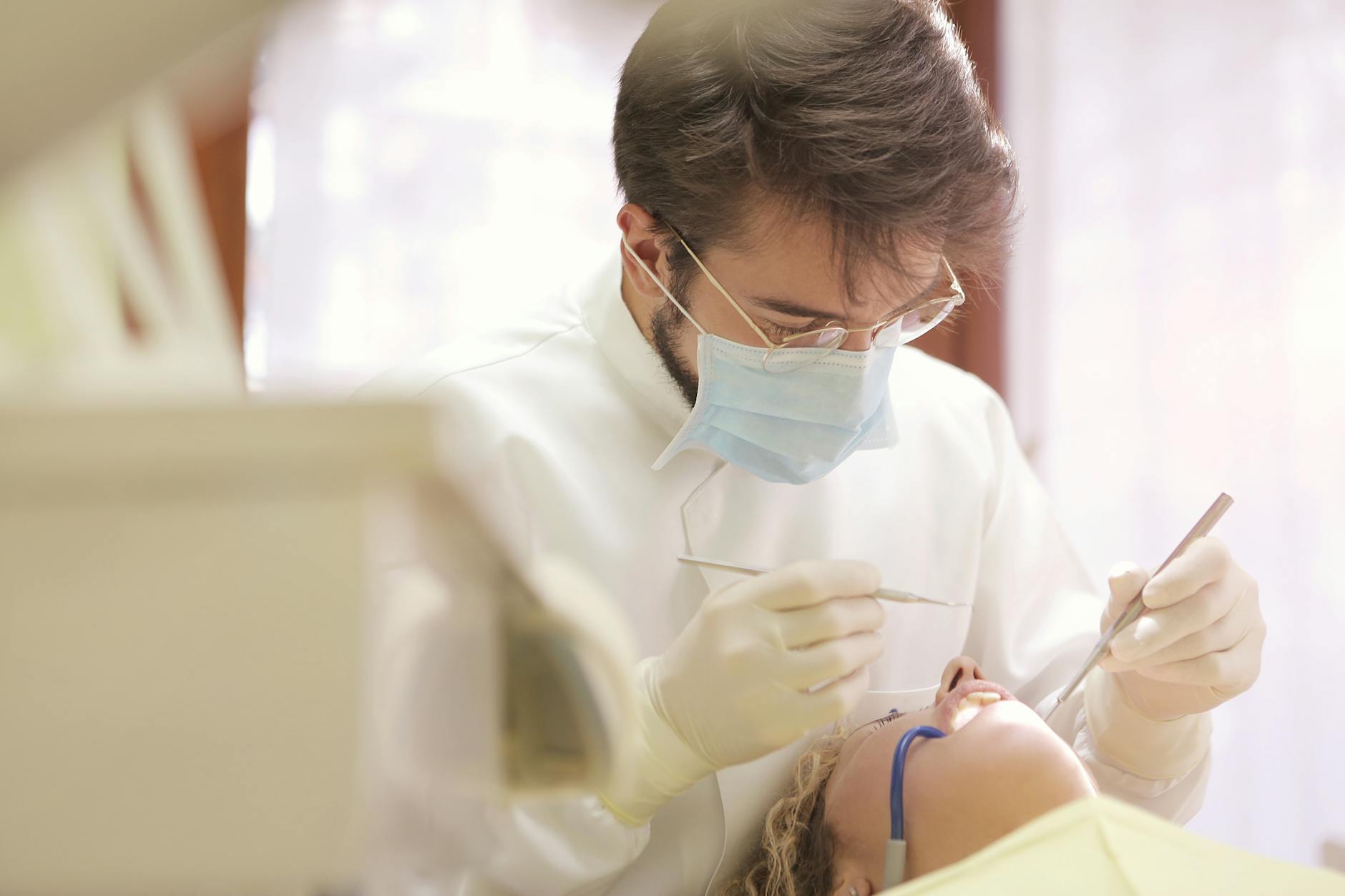
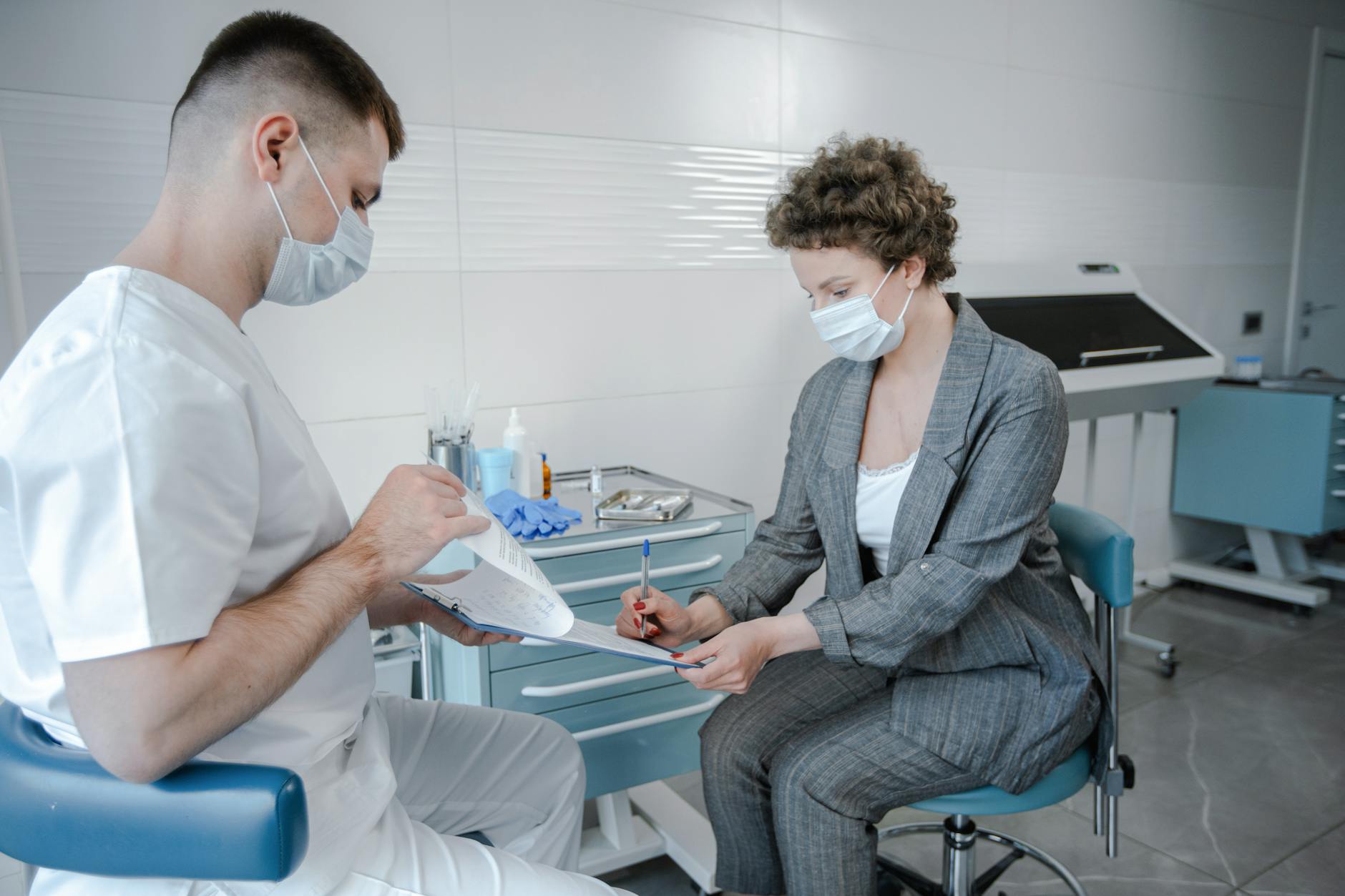
From the moment you arrive, we’ll focus on comfort and a clear plan to restore function and appearance where a tooth is missing. After a brief check-in, your dentist will examine the area, take any needed X-rays, and outline dentist options for missing teeth in plain terms, including what can be done today versus what requires follow-up. We’ll discuss your goals, timing, and how nearby teeth and gums affect the plan, so you know what to expect before any treatment begins. If you’re waiting to be seen, keep the area clean with gentle rinsing, avoid chewing on that side, and bring any broken pieces or removable appliances with you; we’re available during 9:00am–5:00pm Mon–Thurs and 9:00am–2:00pm Fri.
- Focused triage: we’ll review your symptoms, medical history, and when the tooth was lost or damaged, and note any loose crowns, bridges, or partials you brought in.
- Imaging and photos: digital X-rays and close-up images help us evaluate bone support, roots of neighboring teeth, and the space needed for a temporary or longer-term solution.
- Gum and socket check: we’ll look for tissue irritation, trapped debris, or signs that the area needs cleaning or protection before we place anything new.
- Bite assessment: we’ll check how your teeth meet, speech considerations, and smile line to guide choices that balance comfort, function, and appearance.
- Options overview: we’ll explain immediate stabilization or temporaries, possible repair or re-cementing of a loose crown/bridge, and—if a tooth can’t be saved—discuss emergency tooth extractions as part of a broader replacement plan.
- Same‑day comfort: when appropriate, we may smooth sharp edges, place a protective dressing, or provide a provisional tooth, then map out next steps and follow-up visits during business hours.
Home Care Before Your Appointment
If you’re dealing with a missing tooth, a tooth that just came out, or a broken tooth leaving a gap, a few careful steps can protect the area and ease discomfort until we see you. Focus on keeping the mouth clean, controlling minor bleeding, and avoiding further irritation. These tips are temporary and not a substitute for an exam, so plan to come in during our business hours (9:00am–5:00pm Mon–Thu, 9:00am–2:00pm Fri). They can help you stay comfortable until we discuss dentist options for missing teeth that fit your situation.
- Rinse gently with lukewarm water or a mild saltwater solution to clear the area; avoid vigorous swishing or spitting so you don’t disturb a forming clot.
- To manage minor bleeding, place clean gauze or a damp tea bag on the site and apply light pressure for 10–15 minutes; replace as needed and avoid checking the clot.
- If a permanent tooth was knocked out today, handle it by the crown (top), not the root; briefly rinse if dirty without scrubbing, and if comfortable, try to place it back in the socket and bite gently on gauze—if you can’t, keep it moist in milk or in your cheek; do not reinsert baby teeth.
- Save any broken tooth pieces in a clean container with milk or saliva and bring them to your visit.
- Cover sharp edges with orthodontic wax or sugarless gum to protect your tongue and cheeks; avoid chewing on that side and stick to soft, cool foods.
- Use a cold compress on the cheek (10 minutes on, 10 minutes off) to help with swelling, and rest with your head elevated.
Continue gentle brushing and flossing around the area, but don’t probe an open socket. For comfort tips while you wait, you can review our emergency tooth pain relief guidance, and then call our Glendale office during business hours so we can provide in-person care. When to call now: uncontrolled bleeding, increasing facial swelling, fever, or a knocked-out adult tooth within the past hour.
Lifestyle Adjustments After Tooth Loss
After a tooth is lost, a few daily habits usually need adjusting so you can eat, speak, and clean comfortably until a dentist replaces the space. In the short term, protect the area and avoid stressing nearby teeth; in the longer term, plan a visit so we can check your bite and discuss dentist options for missing teeth that fit your goals. Keeping the surrounding gums clean and avoiding hard biting on that side reduces soreness and helps prevent irritation. Prompt in-person evaluation also helps limit unwanted tooth shifting and jaw strain.
At home until your appointment, choose soft, nutrient-dense foods, cut them into small pieces, and chew on the opposite side; skip hard, sticky, or seedy foods that can press into the gap. Sip water with meals and swish gently with a lukewarm saltwater rinse after eating; brush with a soft brush, sweeping gently along the gums near the space, and floss the other teeth carefully without forcing floss into the gap. If a remaining edge from a broken tooth is sharp, you may place clean orthodontic wax over it; avoid probing the area with fingers or tools, and never place pain medication directly on your gums. For comfort, a cold compress on the cheek in short intervals and over-the-counter pain relievers as directed on the label can help; limit clenching and take smaller bites to reduce jaw fatigue. If the tooth is chipped or fractured rather than fully missing, learn how we address chips and fractures on our emergency tooth repair page. When to call now: contact our Glendale office during business hours (9:00am–5:00pm Mon–Thu; 9:00am–2:00pm Fri) if you’ve lost or broken a tooth, the area is painful or sharp, or chewing and speaking are difficult.
The Importance of Timely Care
Acting promptly after a tooth is lost, fractured, or extracted helps protect your remaining teeth, gums, and bite. Teeth can shift into open spaces, gums can become irritated, and the jawbone can begin to shrink where a tooth is missing—changes that are easier to prevent than to correct. A timely exam lets us stabilize the area, reduce infection risks, and map out short-term and long-term solutions; it also expands your dentist options for missing teeth. If you’re in Glendale, we address urgent dental concerns during business hours (9:00am – 5:00pm, Mon – Thurs, and 9:00am – 2:00pm Fri).
While you arrange a visit, rinse gently with lukewarm saltwater to keep the area clean, place clean gauze with light pressure if you’re bleeding, and use a cold compress on the cheek for swelling; take over-the-counter pain relievers as directed and avoid chewing on the affected side, very hot or cold drinks, and hard foods. If you have a broken piece of tooth, keep it moist in milk or saliva and bring it with you; do not place aspirin on the gums. If a tooth is chipped or partially broken, a same-day assessment may allow more conservative care—learn more about emergency tooth repair. We’re available to schedule and guide you during office hours, and seeing you soon helps protect neighboring teeth and supports future replacement planning; call now if you have severe pain, persistent bleeding, facial swelling, fever, or a tooth that was knocked out or fractured today.
Choosing the Right Dentist for You
Choosing the right dentist for you when you’re missing a tooth or dealing with a broken one starts with access, experience, and clear communication. In Glendale, you’ll want a team that can see urgent cases during regular business hours, assess why the tooth is missing or unstable, and explain immediate and longer‑term solutions in plain language. As you weigh dentist options for missing teeth, look for an office that coordinates care smoothly—whether the next step is stabilizing a damaged tooth, planning a replacement, or arranging a trusted specialist referral.
Start with a phone call during 9:00am–5:00pm Monday–Thursday or 9:00am–2:00pm Friday. Ask practical questions: Can they evaluate you the same business day? What imaging will they use, and how do they address comfort during the visit? Do they manage root canal therapy, extractions, or provisional tooth replacements in‑house, and how do they coordinate with implant or denture providers if needed? Clarify how they’ll prioritize immediate relief, protect the area so you can function safely, and map out next steps with clear timelines you can understand. If your tooth is chipped or fractured, review their approach to emergency tooth repair so you know what to expect today and what comes after. Until you’re seen, gently rinse with lukewarm water, keep food away from the sore or open area, and avoid placing aspirin on the gums or trying to glue anything back; if a loose appliance comes out, set it aside and bring it with you. When to call now: contact our Glendale office during business hours if you have significant pain, new swelling, bleeding that doesn’t stop with gentle pressure, or a newly lost or broken tooth.
Frequently Asked Questions
Here are quick answers to common questions people have about Dentist Options for Missing Teeth in Glendale, AZ.
- What should I do if I lose a tooth suddenly?
If you lose a tooth suddenly, handle the tooth by the crown, avoiding the root, and rinse it gently with lukewarm water if needed. Try to place it back in the socket gently, or keep it moist in milk or saline. Contact our Glendale office during business hours to arrange a prompt evaluation. Until your appointment, avoid chewing on the affected side and use a cold compress to reduce swelling.
- What are my options if I have a long-standing gap from a missing tooth?
For a long-standing gap, options include dental implants, bridges, and partial dentures. Each option has distinct benefits depending on your dental health and goals. Visit our Glendale office so we can discuss which solution fits your needs and help you plan next steps for restoring function and appearance. Keeping the gap clean is essential to prevent gum issues until treatment.
- How can missing teeth affect my oral health?
Missing teeth can impact oral health by altering your bite and causing nearby teeth to drift or over-erupt, which can strain your jaw. The open space can also trap food, increasing the risk for gum irritation and tooth decay. It’s important to address missing teeth promptly to protect adjacent teeth and maintain proper chewing and speaking function.
- Are dentures a viable option for missing teeth?
Yes, dentures are a viable option for replacing missing teeth. They can be a practical, non-surgical solution, with full dentures replacing all teeth in an arch and partial dentures filling specific gaps. Implant-stabilized options are also available for extra support. We’ll help you compare options based on comfort, appearance, and functionality during your visit to our Glendale office.
- When should I call about a missing tooth?
If a tooth is missing, newly mobile, or if there’s significant pain, facial swelling, or bleeding, call our Glendale office during business hours. Immediate evaluation can protect remaining teeth and gums and allows us to discuss dentist options for missing teeth tailored to your situation. We prioritize urgent cases with available time for same-day care.
- What are dental implants, and are they right for me?
Dental implants replace missing tooth roots with a titanium post that supports a crown, bridge, or denture. They can offer a secure, natural-feeling solution. Suitability depends on factors such as gum health, bone density, and medical history. Our Glendale office will assess these factors during an exam and discuss if implants or another option best aligns with your dental goals.
- How can I keep the area clean before seeing the dentist?
Gently rinse with lukewarm water or a mild saltwater solution to clear the area, avoiding vigorous spitting or swishing. If fragments are present, keep them in a clean container with milk. Refrain from using household glues on dentures or temporary crowns. Maintaining cleanliness helps minimize irritation until your appointment during business hours.
Medical sources (PubMed)
- Louzada LM, et al. Int Endod J. 2025. “The effectiveness of partial pulpotomy compared with full pulpotomy in managing deep caries in vital permanent teeth with a diagnosis of non-traumatic pulpitis.”. PMID: 39264795 / DOI: 10.1111/iej.14149
- Lockhart PB, et al. JADA. 2019. “Evidence-based clinical practice guideline on antibiotic use for the urgent management of pulpal- and periapical-related dental pain and intraoral swelling: A report from the American Dental Association.”. PMID: 31668170 / DOI: 10.1016/j.adaj.2019.08.020
- Mathis J, et al. J Vet Dent. 2025. “Oral and Dental Pain Management.”. PMID: 39311042 / DOI: 10.1177/08987564241279550
- Cope AL, et al. Cochrane Database Syst Rev. 2024. “Systemic antibiotics for symptomatic apical periodontitis and acute apical abscess in adults.”. PMID: 38712714 / DOI: 10.1002/14651858.CD010136.pub4
- Taha NA, et al. J Endod. 2023. “A Randomized Controlled Clinical Trial of Pulpotomy versus Root Canal Therapy in Mature Teeth with Irreversible Pulpitis: Outcome, Quality of Life, and Patients’ Satisfaction.”. PMID: 37080387 / DOI: 10.1016/j.joen.2023.04.001
- Pigg M, et al. J Endod. 2021. “New International Classification of Orofacial Pain: What Is in It For Endodontists?”. PMID: 33340605 / DOI: 10.1016/j.joen.2020.12.002