Understanding Emergency Tooth Extraction
Emergency tooth extraction means removing a tooth when keeping it could risk your health or comfort, and other treatments are unlikely to help. It is typically considered for severe decay, deep infection, a fracture below the gumline, or advanced looseness, but only after an in-person exam and X-rays. An emergency tooth extraction dentist assesses your symptoms, explains options, and outlines next steps so you understand the plan. Our Glendale team prioritizes urgent needs during business hours to relieve discomfort and protect surrounding teeth and gums.
At your visit, we review your health history, take diagnostic images, and use local anesthesia to keep you comfortable; you may feel pressure during the procedure. Depending on the tooth and its condition, a simple extraction uses careful loosening and elevation; in other cases, a small opening may be made so the tooth can be removed in sections. You’ll receive clear after-care instructions about gauze pressure, limited activity, and how to keep the site clean. Until you’re seen, safe steps include: a gentle warm saltwater rinse if you are not actively bleeding, avoiding chewing on the affected side, a cold compress on the cheek 10 minutes on/10 minutes off, taking over-the-counter pain relievers as directed on the label if you can take them safely, and avoiding aspirin on the gums, smoking, alcohol, and straws. If a tooth fragment or crown has come loose, place it in a clean container and bring it with you. If the tooth may be restorable, alternatives such as root canal therapy can be discussed; if not, we’ll review healing and next steps. Learn more about our approach to emergency tooth extractions. Our office is open 9:00am–5:00pm Monday–Thursday and 9:00am–2:00pm Friday. When to call now: if you have severe tooth pain, facial swelling, drainage or a bad taste from a tooth, or a broken tooth after injury, call during business hours for guidance and the first available visit.
When to Call a Dentist
Call a dentist promptly if you suspect a tooth needs urgent attention or removal; dental pain and infection can progress quickly. An emergency tooth extraction dentist will evaluate your symptoms, take any necessary X‑rays, and explain whether extraction or another treatment is appropriate—no one should try to decide this at home. Reaching out early protects nearby teeth and reduces the risk of complications. Our Glendale team answers urgent calls during business hours—9:00am – 5:00pm Monday–Thursday and 9:00am – 2:00pm Friday—to provide guidance and help you schedule the next available visit.
Call right away if you have severe or worsening toothache; gum or facial swelling; a pimple on the gums or drainage with a bad taste; fever with dental pain; bleeding that doesn’t slow after 15–30 minutes of gentle pressure; a tooth that is split, deeply cracked, or broken at the gumline; a tooth loosened by injury; or escalating pain behind the last molars that may indicate a troubled wisdom tooth. While you wait for your appointment, rinse gently with lukewarm saltwater to keep the area clean, avoid chewing on the sore side, apply a cold compress on the cheek in short intervals, and take over‑the‑counter pain relievers only as directed—never place aspirin on the gums. If a piece of tooth broke off, bring it in a clean container. If you’re unsure whether removal is necessary, you can read more about emergency tooth extractions, but an in‑person exam is the only way to know what’s best. When to call now: if symptoms are intensifying or you’re uncertain, phone our Glendale office during 9:00am – 5:00pm Mon–Thurs or 9:00am – 2:00pm Fri for prompt guidance.
Signs You May Need Extraction
Extraction is considered when a tooth is too damaged, infected, or poorly positioned to be kept safely. Warning signs can include sharp pain when biting, gum swelling or a pimple that drains, a tooth that’s loose and sore to touch, or a crack that extends below the gumline; impacted or irritated wisdom teeth can also point to removal. Only an exam can confirm the next step—an emergency tooth extraction dentist can evaluate the tooth, take any needed X-rays, and explain your options during business hours.
Other red flags you shouldn’t ignore include deep decay with sensitivity that lingers after hot or cold, pain that wakes you at night, a foul taste or odor near the tooth, discomfort spreading to the jaw or ear, or trouble opening your mouth fully. Trauma that leaves a tooth shattered or with the root exposed, or a piece broken off under the gum, may make saving it unlikely. Advanced gum disease can also loosen a tooth to the point that removal helps protect surrounding bone and teeth. Until you’re seen, place a cold compress on the cheek in short intervals, avoid chewing on the sore side, and gently rinse with lukewarm saltwater if there’s no active bleeding; avoid heat and never place aspirin on the gums. If a tooth cannot be saved, we may discuss emergency tooth extractions as a next step. Our Glendale team is available 9:00am–5:00pm Mon–Thurs and 9:00am–2:00pm Fri—when to call now: contact us promptly if pain is severe, swelling is spreading, or you notice fever or trouble swallowing.
Types of Tooth Extractions
Tooth extractions generally fall into a few clear types based on how much of the tooth is visible, the root shape, and whether the tooth is impacted or infected. After a quick exam and X‑ray, your dentist selects the least invasive approach that can remove the tooth safely and control pain. In urgent situations, the focus is on stopping active infection and protecting the surrounding bone and gums while planning for healing or replacement. We provide emergency tooth extractions during regular office hours and can explain alternatives when appropriate.
- Simple extraction: Used when the tooth is fully above the gumline and accessible. It’s gently loosened and lifted under local anesthesia; you’ll feel pressure, not sharp pain, and bleeding is controlled before you leave.
- Surgical extraction: Chosen for teeth broken at the gumline, with curved or brittle roots, or dense surrounding bone. A small gum opening (and sometimes minor bone smoothing) may be needed, and stitches can be placed.
- Impacted or partially erupted wisdom tooth: Third molars trapped in bone or soft tissue can cause swelling, infection, or jaw stiffness. Removal is planned surgically to free the tooth safely and protect nearby nerves and molars.
- Root tip or fractured tooth fragment removal: When only part of a tooth remains, precision techniques remove the fragment without harming adjacent teeth. This helps clear infection and preserves bone for future options.
- Extraction for crowding or periodontal mobility: Teeth that are too crowded or severely loosened by gum disease sometimes require removal. The goal is to relieve pressure, reduce infection risk, and support overall oral health.
At your visit, an emergency tooth extraction dentist will confirm the plan with X‑rays, review your medical history, numb the area, and discuss comfort options; many procedures are brief. While you’re waiting to be seen today, keep chewing away from the sore area, apply a cold compress on the cheek in 10‑minute intervals, and take over‑the‑counter pain medication only as directed if it’s safe for you; avoid placing aspirin on the gum, smoking, or using heat when there is swelling. Our Glendale office is open 9:00am – 5:00pm Mon – Thurs and 9:00am – 2:00pm Fri for prompt evaluation and care. When to call now: rapidly increasing swelling, fever, difficulty swallowing, or trauma to a tooth.
What to Expect at Your Visit
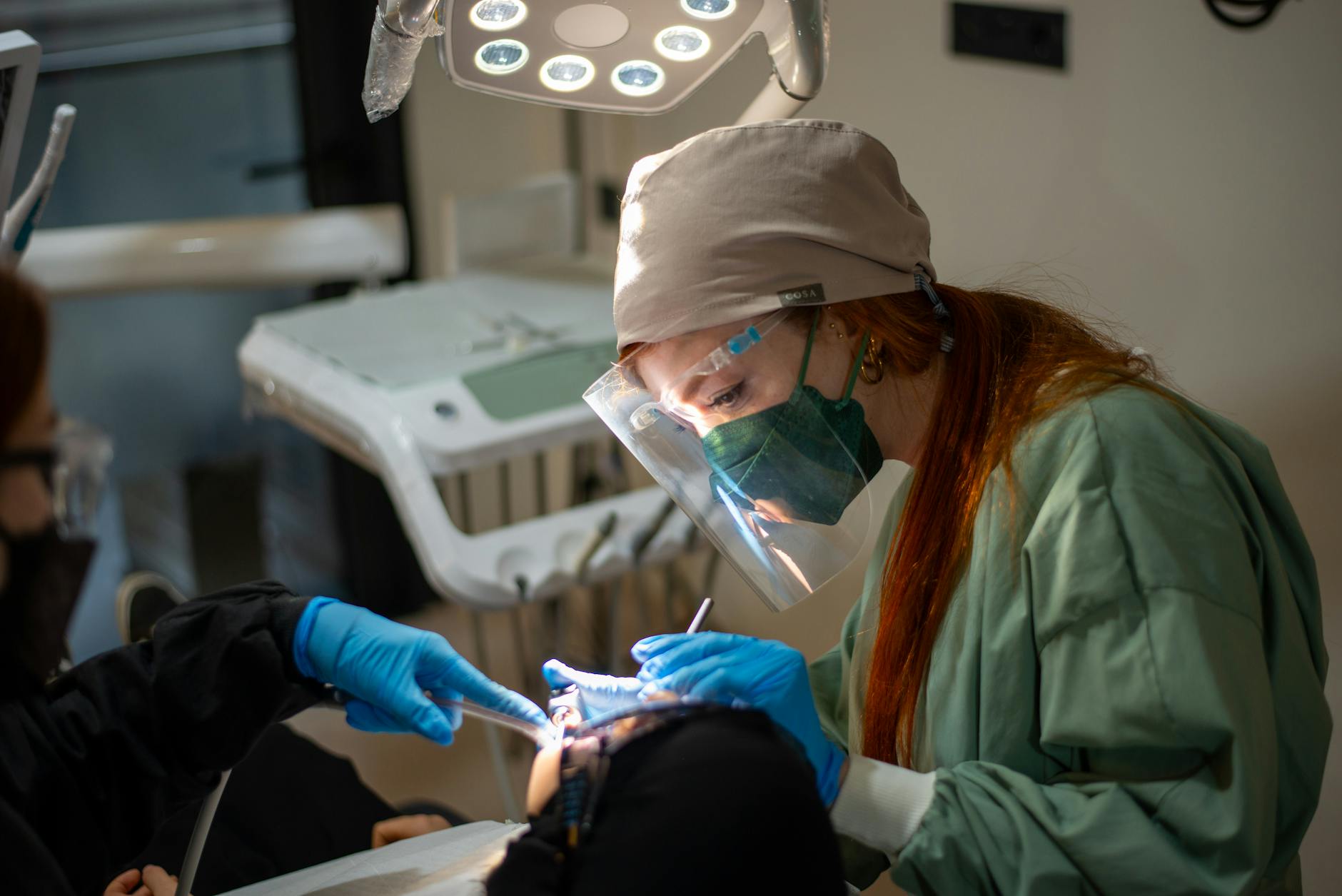
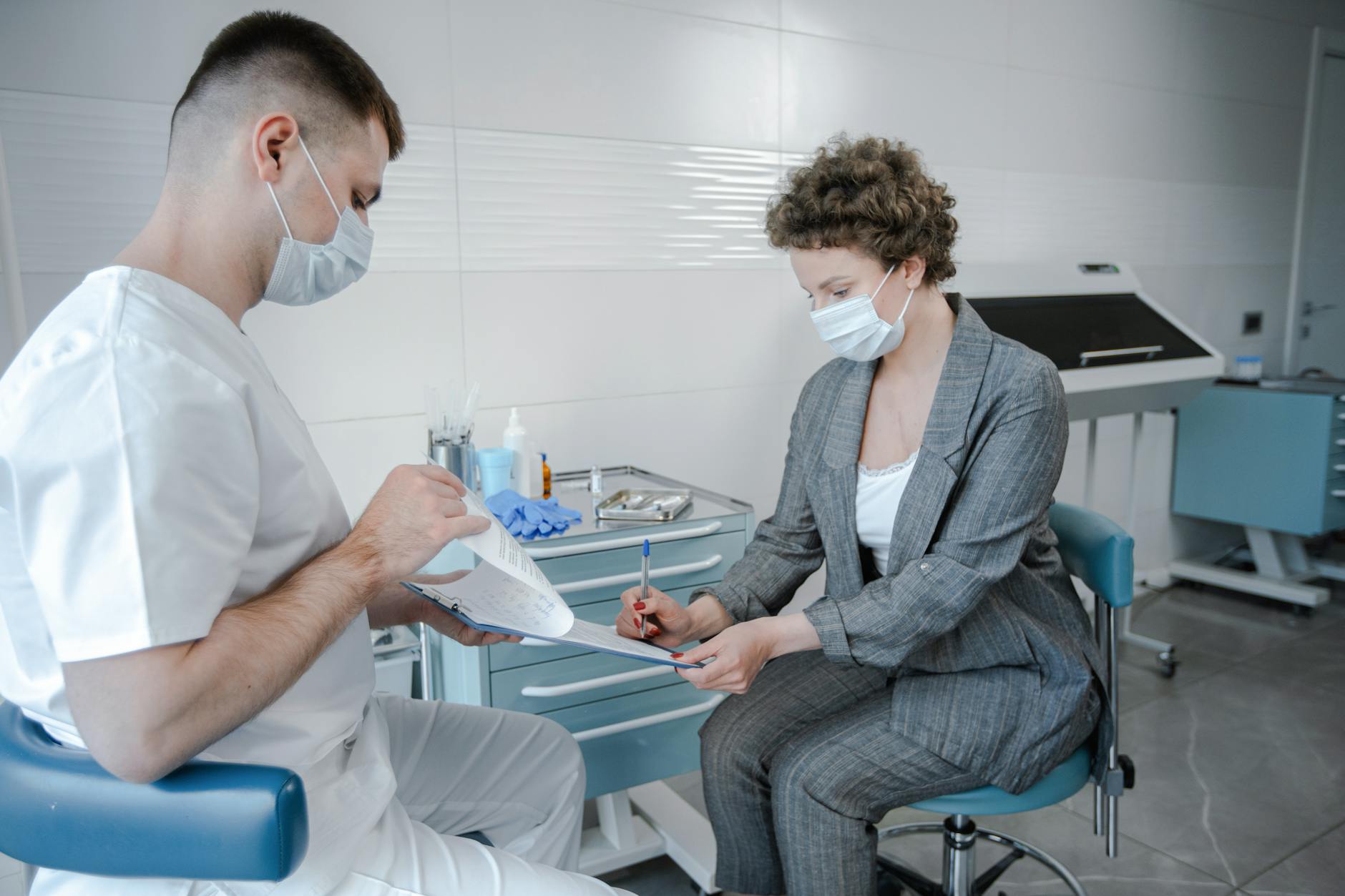
When you arrive at our Glendale office for urgent tooth removal, we focus on comfort, clear communication, and timely care. Your emergency tooth extraction dentist will review your symptoms and medical history, answer your immediate questions, and explain the next steps before anything is done. We’ll outline pain-control choices and what you can expect during and after the visit. The goal is to stabilize the area and, when appropriate, proceed with treatment the same day.
Here’s the typical flow: after check-in, we perform a focused exam and take digital X-rays to assess the tooth, roots, and surrounding bone. We’ll confirm the diagnosis, review risks and benefits, and obtain consent. The area is numbed with local anesthetic; if you feel anxious, we can discuss additional calming measures. The tooth is gently loosened and removed with precise instruments, and the site is cleaned; stitches may be placed if indicated. We’ll place gauze, review how to control bleeding, protect the clot, and manage soreness, and you’ll leave with written aftercare plus a plan for follow-up; you can also read more about our emergency tooth extractions. Until your appointment, you may gently rinse with lukewarm saltwater if there is no active bleeding, avoid chewing on the sore side, use a cold compress on the cheek for up to 10 minutes at a time, and take over-the-counter pain relievers you normally use as directed; never place aspirin on the gums. We prioritize urgent visits during business hours (9:00am – 5:00pm, Mon – Thurs, and 9:00am – 2:00pm Fri). Call now during business hours if you have worsening facial swelling, fever, foul taste or drainage, or bleeding that doesn’t slow with gentle pressure.
Preparation for Tooth Extraction
Preparing for an urgent tooth removal helps keep you safe and makes the visit smoother. If you’re planning to see an emergency tooth extraction dentist, call as early as possible to reserve time and share your medical history. Our Glendale team sees urgent patients 9:00am – 5:00pm, Mon – Thurs, and 9:00am – 2:00pm Fri, and we’ll let you know what to bring and how to get comfortable before you arrive. The steps below cover simple, safe ways to get ready at home until we can examine you in person.
- Call ahead during business hours to describe your symptoms and any health conditions (such as heart issues, diabetes, pregnancy, or blood thinners), and ask whether you should eat before your appointment.
- Have a light meal and stay hydrated unless you were told to fast; avoid alcohol and recreational substances the day of your visit.
- Continue prescribed medications as directed by your physician; bring a written list of all medicines and allergies. Avoid aspirin for dental pain before the visit unless your doctor has told you to take it.
- Keep the area clean without irritating it: gently brush and floss away from the painful tooth, and if food is trapped, rinse lightly with lukewarm salt water. Do not poke the area with objects.
- For comfort and swelling before you’re seen, place a cold compress on the outside of your cheek in short intervals and rest with your head elevated. Avoid heat against the face.
- Arrange a ride if you feel unwell, are very anxious, or were advised that sedation may be used; bring photo ID and any dental records or recent x-rays if available.
At your visit, your dentist will examine the area, review your medical history, and take an x-ray before discussing your options, which may include extraction the same day. If you’d like to understand the general steps, see emergency tooth extractions. When to call now: contact our office during business hours if you have facial swelling that’s spreading, fever or chills, difficulty swallowing, or bleeding that doesn’t slow with gentle pressure.
Home Care Before Your Appointment
While you wait for your appointment, a few careful steps can ease pain and protect the area until a dentist evaluates the tooth. These suggestions are short-term and not a substitute for an exam; avoid anything that makes symptoms worse. Prompt care reduces the chance of infection and can make treatment simpler. If you need an emergency tooth extraction dentist in Glendale, call during business hours so we can arrange an urgent visit.
- If you’re bleeding, place clean gauze or a soft cloth over the site and bite with gentle, steady pressure for 10–15 minutes; don’t soak gauze in liquids.
- For pain, use an over-the-counter pain reliever as directed on the label; never place aspirin on the tooth or gums.
- To reduce swelling, hold a cold compress on your cheek near the tooth for 10 minutes on, 10 minutes off, and keep your head elevated when resting; never apply heat to a swollen area.
- Keep the area clean by gently rinsing with warm saltwater (1/2 teaspoon of salt in a cup of warm water) every few hours; avoid vigorous swishing if there’s active bleeding and skip mouthwashes that contain alcohol.
- Protect the tooth by chewing on the opposite side; choose soft, cool foods; avoid hot drinks, alcohol, straws, and all tobacco.
- Do not probe the area with fingers or objects; if a sharp edge is irritating your cheek or tongue, cover it briefly with clean dental wax or sugar-free gum instead of digging at it.
These measures help you stay comfortable and limit irritation until we examine the tooth and discuss next steps, which may include emergency tooth extractions. Do not stop any prescribed medications unless a medical professional directs you to, and bring a current list of medications and allergies to your visit. Seek urgent medical care right away if you have facial swelling that spreads, fever, trouble breathing or swallowing, or bleeding you can’t control. When to call now: contact our Glendale office during 9:00am–5:00pm Mon–Thu or 9:00am–2:00pm Fri if pain is worsening, you notice swelling or drainage, a tooth cracks or becomes loose, or your symptoms keep you from eating or sleeping.
Managing Pain and Discomfort
Managing pain and discomfort before a tooth extraction is about keeping irritation down and avoiding anything that worsens swelling. If you’re looking for an emergency tooth extraction dentist in Glendale, we can evaluate the area during business hours and explain the safest next steps to reduce pressure and protect nearby teeth. Our team provides prompt assessments 9:00am–5:00pm Mon–Thu and 9:00am–2:00pm Fri, and we’ll guide you on practical, short-term comfort measures until you’re seen.
Until your visit, focus on gentle care and cool comfort: keep the area as clean as you comfortably can, brushing and flossing nearby teeth without forcing anything between tight contacts, and rinse once or twice with lukewarm saltwater (about 1/2 teaspoon salt in a cup of water); avoid harsh, alcohol-based mouthwashes. Apply a cold compress to the cheek for 10 minutes at a time with breaks to help limit swelling; avoid heat. If you use over-the-counter pain relievers, take them only as directed on the label (unless your physician has told you otherwise), and never place aspirin directly on the tooth or gums. Choose soft, cooler foods, chew on the opposite side, sip water, and skip alcohol or carbonated drinks that can irritate tissues. If an extraction is completed today, you’ll receive specific instructions; in general, keep light pressure with the provided gauze as directed, avoid spitting, straws, and smoking so a stable clot can form, and rest with your head elevated. If the tooth cannot be restored, we’ll discuss options, including emergency tooth extractions, so you know what to expect. Call now during business hours if pain is severe or spreading, swelling involves your cheek or jaw, or you notice fever or drainage.
Post-Extraction Care Instructions
Good care in the first days after an extraction helps protect the blood clot, reduce bleeding and swelling, and keep you comfortable. Your emergency tooth extraction dentist will give you specific directions based on your visit; the guidance below covers safe, general steps most people can follow at home. Use these as temporary support, and plan to check in with us during business hours if anything feels off.
During the first hour, bite firmly on the gauze we placed for 30–45 minutes without chewing or talking; if oozing continues, replace with clean folded gauze and keep steady pressure, but avoid spitting or rinsing because it can dislodge the clot. Rest the remainder of the day with your head elevated on pillows and skip strenuous activity; use a cold pack on the cheek in short intervals (10 minutes on, 10 minutes off) for several cycles to limit swelling. Do not use straws, vape, or smoke for at least 48 hours, and avoid touching the area with your tongue or fingers. Choose cool, soft foods on the opposite side (yogurt, applesauce, scrambled eggs, mashed potatoes); avoid hot, spicy, crunchy, or seedy foods and alcohol for the first day, and sip water often. Do not rinse the first 24 hours; beginning the next day, gently rinse with warm salt water after meals and at bedtime, and brush and floss other teeth as usual while keeping the brush away from the socket. Take only the medications prescribed or recommended to you and follow the label directions; never place aspirin or oils on the gums. If you have stitches or a dressing, leave them undisturbed unless we advised otherwise; mild pink saliva and slight swelling are common the first day. For additional comfort tips, see our emergency tooth pain relief page. If you have questions or concerns, call our Glendale office during business hours (9:00am – 5:00pm Mon – Thurs, and 9:00am – 2:00pm Fri). When to call now: contact us during business hours if bleeding remains heavy after an hour of firm pressure, pain suddenly worsens after the second day, you develop fever or chills, or you notice increasing swelling, foul taste, or discharge.
Common Myths About Tooth Extraction
Tooth extractions carry a lot of myths that can make people delay care when they’re hurting. A common belief is that extractions are always extremely painful or that recovery always takes weeks; in reality, dentists numb the area and provide careful aftercare guidance to help you heal. Another myth is that a bad tooth will “work itself out,” but dental problems rarely improve on their own and can worsen without timely attention. It’s also not true that every toothache requires removal—often, saving the tooth is considered first, and extraction is recommended only when appropriate.
Here’s the reality: most routine extractions are completed with local anesthetic, so you may feel pressure but not sharp pain; sedation may be an option for certain cases, but it’s not required for everyone. Dentists aim to preserve natural teeth when possible, and when a tooth cannot be restored, removal is discussed with your comfort and safety in mind—learn more about emergency tooth extractions. Another myth is that dry socket “always happens”; while it can occur, following the dentist’s instructions can lower the chance. It’s also unsafe to place aspirin directly on the gum—this can burn tissues; instead, use a cold compress on the outside of your cheek and take over‑the‑counter pain relievers as directed until you’re seen. Waiting days to see if swelling or severe pain fades can allow infection to spread; if you’re unsure whether to see an emergency tooth extraction dentist, consider whether pain is interrupting sleep, you notice facial swelling, or a tooth cracked after an injury. We encourage prompt in‑person evaluation during our business hours (9:00am–5:00pm Mon–Thurs, 9:00am–2:00pm Fri) so you can understand your options and next steps. When to call now: if pain is severe, swelling is present, or a tooth broke or feels loose after trauma, call our Glendale office during business hours for guidance and a same‑day evaluation whenever possible.
The Role of X-Rays in Extractions
Dental X-rays are essential for planning extractions safely and efficiently. They reveal the roots, bone, and surrounding structures that can’t be seen during a visual exam, helping the dentist choose the least invasive approach. Imaging also helps determine whether the tooth might be stabilized or if removal is the safer path.
During an emergency visit at our Glendale office, we start with a focused X-ray (often a small periapical image, and sometimes a panoramic view) to understand the situation before recommending next steps. Your emergency tooth extraction dentist relies on these images to evaluate complexity, estimate treatment time, and anticipate areas that may need extra care. We use modern, low-dose techniques and protective aprons; please tell us if you are pregnant or think you might be. If removal is recommended, we’ll review your options for emergency tooth extractions and discuss comfort measures and aftercare.
- Root number, shape, and curvature, which affect how the tooth is loosened and lifted.
- Bone height and density, and proximity to the sinus or nerve canals for safety planning.
- Extent of decay, cracks, or infection that may influence urgency and technique.
- Impaction or angulation of wisdom teeth and how they relate to nearby teeth.
- Existing fillings, crowns, or root fragments that could change the approach.
If you’re waiting to be seen during our business hours (9:00am–5:00pm Mon–Thurs, 9:00am–2:00pm Fri), keep the area clean with gentle warm saltwater rinses, avoid chewing on the sore side, use a cold compress on the cheek in short intervals, and consider over-the-counter pain relievers as directed if you can take them. When to call now: contact our team promptly if pain is severe, you notice swelling, or a tooth breaks so we can evaluate you with an X-ray and guide next steps.
Choosing the Right Dentist
Choosing the right dentist for an urgent extraction comes down to access, experience, and clear communication. In Glendale, look for a practice that can see emergencies during normal hours (9:00am – 5:00pm Mon – Thurs, 9:00am – 2:00pm Fri) and is prepared to assess you the day you call. Ask whether the dentist routinely performs extractions, uses on-site X-rays to evaluate roots and surrounding bone, and explains options in plain language before any procedure. These basics help you get timely relief and a safe plan without delays.
Beyond a fast appointment, consider how the team handles comfort and follow-up. An emergency-focused office should review your health history, discuss numbing and anxiety-reducing options that are appropriate for you, outline what to expect before and after an extraction, and provide written aftercare with a check-in plan. As you compare options, ask if the emergency tooth extraction dentist coordinates care when a tooth might be saved instead, or when referral for complex roots or wisdom teeth is smarter; straightforward, unbiased guidance is a good sign. For the time before you’re seen, keep the area clean with gentle, lukewarm saltwater rinses, avoid chewing on the sore side, apply a cold compress to the cheek in short intervals, and consider over-the-counter pain relievers as directed if you can take them safely; do not place aspirin on the gums or use heat. If a piece of tooth breaks off, store it clean and bring it with you. To understand the basic steps of today’s visit, you can read about our emergency tooth extractions, then call so we can tailor advice to your specific situation. We prioritize urgent calls during our posted hours and offer same-day openings whenever possible, but the quickest path is to contact us early in the day. When to call now: persistent severe pain, swelling that’s worsening, bleeding that won’t stop with gentle pressure, or a broken tooth that is sharp or deeply cracked.
Frequently Asked Questions
Here are quick answers to common questions people have about Emergency Tooth Extraction Help in Glendale, AZ.
- What should I do if I have severe tooth pain and need an emergency tooth extraction?
If you’re experiencing severe tooth pain, call our Glendale office during business hours to schedule a visit as soon as possible. While waiting, use a cold compress on your cheek for short intervals to reduce swelling, and avoid eating on the affected side. Over-the-counter pain relievers can help manage discomfort, but do not place aspirin on the gums. Avoid alcohol and smoking. Our team will assess your needs promptly.
- How can I prepare for an emergency tooth extraction appointment?
Call ahead to describe your symptoms and health conditions. Have a light meal unless instructed otherwise, stay hydrated, and bring any dental records. Continue prescribed medications, but avoid aspirin for dental pain unless advised. Keep the tooth area clean with gentle brushing and lukewarm saltwater rinses. Plan a ride if sedation might be used. Reach out during our business hours for personalized guidance.
- What can I do to manage pain before my emergency dental visit?
Until you can see a dentist, focus on gentle care and using a cold compress on the cheek for 10-minute intervals. Take over-the-counter pain relievers if they’re safe for you and rinse gently with lukewarm saltwater to keep the area clean. Avoid hot foods, alcohol, smoking, and never place aspirin on the gums. Chew on the opposite side and choose soft, cool foods.
- What are the signs that I might need an emergency tooth extraction?
Signs that you may need an extraction include severe tooth pain, swelling or a pimple on the gums, loose or sore teeth, or cracks below the gumline. Impacted wisdom teeth may also cause pain or swelling. If you suspect these issues, call during business hours to arrange an urgent evaluation in our Glendale office. Do not wait for symptoms to worsen, as they can quickly evolve into serious problems.
- What happens during an emergency tooth extraction?
During your visit, we’ll review your symptoms and perform a diagnostic exam, including any necessary X-rays. The procedure often involves numbing the area, loosening the tooth, and removing it. We focus on minimizing discomfort and explaining each step so you know what to expect. Post-extraction care will be discussed to ensure smooth healing. Visit our Glendale clinic during business hours for a detailed assessment.
- How can I care for the area before my emergency dental appointment?
To protect the affected area, avoid chewing on that side and gently rinse with lukewarm saltwater if there’s no active bleeding. Use a cold compress on the cheek to limit swelling and keep your head elevated when resting. Do not probe the area with your tongue or fingers, and avoid harsh mouthwashes. If the pain or swelling increases, call our Glendale office promptly during business hours for further guidance.
Medical sources (PubMed)
- Lockhart PB, et al. JADA. 2019. “Evidence-based clinical practice guideline on antibiotic use for the urgent management of pulpal- and periapical-related dental pain and intraoral swelling: A report from the American Dental Association.”. PMID: 31668170 / DOI: 10.1016/j.adaj.2019.08.020
- Renton T Headache. 2020. “Tooth-Related Pain or Not?”. PMID: 31675112 / DOI: 10.1111/head.13689
- Mathis J, et al. J Vet Dent. 2025. “Oral and Dental Pain Management.”. PMID: 39311042 / DOI: 10.1177/08987564241279550
- Louzada LM, et al. Int Endod J. 2025. “The effectiveness of partial pulpotomy compared with full pulpotomy in managing deep caries in vital permanent teeth with a diagnosis of non-traumatic pulpitis.”. PMID: 39264795 / DOI: 10.1111/iej.14149
- Cope AL, et al. Cochrane Database Syst Rev. 2024. “Systemic antibiotics for symptomatic apical periodontitis and acute apical abscess in adults.”. PMID: 38712714 / DOI: 10.1002/14651858.CD010136.pub4
- Pigg M, et al. J Endod. 2021. “New International Classification of Orofacial Pain: What Is in It For Endodontists?”. PMID: 33340605 / DOI: 10.1016/j.joen.2020.12.002