Understanding Dental Abscess Symptoms
A dental abscess can cause sudden, intense discomfort because pressure builds from an infection around a tooth or the gum. Symptoms often start as localized pain and swelling but may spread to nearby areas and feel worse when you lie down. If you’re facing a dental abscess emergency, recognizing these signs early helps you act quickly and contact a Glendale dentist during business hours.
- Deep, throbbing tooth pain that may radiate to the jaw, ear, or neck
- Swelling in the gum or face; a tender bump on the gum that may drain a bad taste
- Hot or cold sensitivity that lingers after the temperature changes
- Pain when biting or chewing; the tooth may feel “raised” or loose
- Red, puffy gums, bad breath, or general achiness/feverish feeling
If these symptoms match what you feel, avoid pressing on the area, keep your head elevated, use a cold compress on the cheek in short intervals, and consider over‑the‑counter pain relievers as directed until you can be seen; you can also review our emergency tooth pain relief tips. Call if you notice worsening swelling, fever, spreading pain, or difficulty opening your mouth. When to call now: if pain disrupts sleep, swelling spreads, or you have any fever or facial swelling.
Causes of Dental Abscess Formation
A dental abscess forms when bacteria enter the inner tooth or deep gum tissue and the body walls off the infection with pus. The most common pathways are untreated tooth decay that reaches the nerve, a cracked or chipped tooth that lets bacteria in, or advanced gum disease that creates deep pockets around a tooth. Food trapped under the gum near a partially erupted or impacted tooth (often a wisdom tooth) can also lead to an abscess, as can leaking older restorations. A dental abscess emergency can develop quickly if these issues are not addressed promptly.
Delaying dental care, dry mouth from certain medications, smoking, and medical conditions that affect healing (like poorly controlled diabetes) can raise your risk by making it easier for bacteria to thrive. While you arrange an exam, you can gently rinse with warm salt water, keep the area clean, avoid chewing on the sore side, apply a cold compress to the cheek, and use over‑the‑counter pain relievers as directed—do not press on or try to drain the swelling, and never place aspirin on the gums. Depending on the source, your dentist may discuss options such as drainage, antibiotics, or procedures like emergency root canal treatment in Glendale to address the infected tooth. When to call now: contact our Glendale office during business hours if you notice facial swelling, a pimple on the gums, severe throbbing pain, bad taste from drainage, or fever.
When to Call a Dentist
If you have severe, throbbing tooth pain, gum or facial swelling, a pimple-like bump on the gums with a bad taste, or fever, contact a dentist the same day. These are signs of infection that require in-person evaluation; a dental abscess emergency generally does not resolve with home care alone. Prompt attention during business hours helps limit complications and discomfort.
Until you’re seen, you may gently rinse with warm saltwater, keep the cheek cool with a cold compress for 10–15 minutes at a time, avoid chewing on the affected side, and use over-the-counter pain medication as directed; do not place aspirin on the tooth or attempt to drain the swelling. Stay upright when resting and avoid heat on the area. At your visit, the dentist will examine the area, take necessary images, and discuss the safest way to address the source of infection, which may include options such as emergency root canal treatment in Glendale. Call our Glendale office now during business hours if you notice swelling, fever, or severe dental pain.
Potential Complications of Untreated Abscess
An untreated tooth or gum abscess is an active infection that can spread and worsen over time. Without timely care, bacteria may move from the tooth into nearby bone and soft tissues, causing increased swelling, throbbing pain, and difficulty chewing or opening your mouth. The ongoing infection can damage supporting bone, loosen the tooth, and raise the likelihood that the tooth cannot be saved; upper teeth may also irritate nearby sinus areas. In a dental abscess emergency, delaying care increases the risk of wider infection and more complex treatment later.
Seeing a dentist during business hours helps limit these risks and guide appropriate care. At home, avoid heat and do not try to drain the swelling; keep the area clean, rinse gently with warm saltwater, apply a cold compress to the cheek in short intervals, and use over‑the‑counter pain relievers as directed (never place aspirin on the gums). Definitive treatment often involves addressing the source of infection—such as emergency root canal treatment in Glendale—or, if a tooth cannot be restored, extraction; the right approach is determined after an in‑person exam. When to call now: contact our Glendale office today if you notice facial swelling, fever, spreading redness, or worsening pain.
Home Care Before Your Appointment
Before your visit, focus on staying comfortable and keeping the area as clean as you can—these steps are temporary and not a substitute for care. If you’re facing a dental abscess emergency, avoid poking or pressing on the swelling and do not try to drain it at home. Rinse gently with warm salt water (about 1/2 teaspoon of salt in a cup of warm water) a few times a day to help reduce surface bacteria and ease tenderness. Contact our Glendale office during business hours so we can see you promptly.
Use a cold compress on the cheek over the sore area in 10-minute intervals to limit puffiness; avoid heat, which can make swelling worse. Take over-the-counter pain relievers as directed on the label if you can safely do so; do not place aspirin directly on the tooth or gums. Keep your head elevated when resting, and stick to soft, cool foods and plenty of water; avoid very hot or very cold drinks, sweets, alcohol, and tobacco. Continue gentle brushing, but don’t force floss into swollen gums or irritated spaces. For additional comfort strategies, see our emergency tooth pain relief guidance. When to call now: reach out to our Glendale team immediately during business hours if swelling is spreading, you develop a fever, or you have increasing pain or any difficulty swallowing.
What to Expect at Your Visit
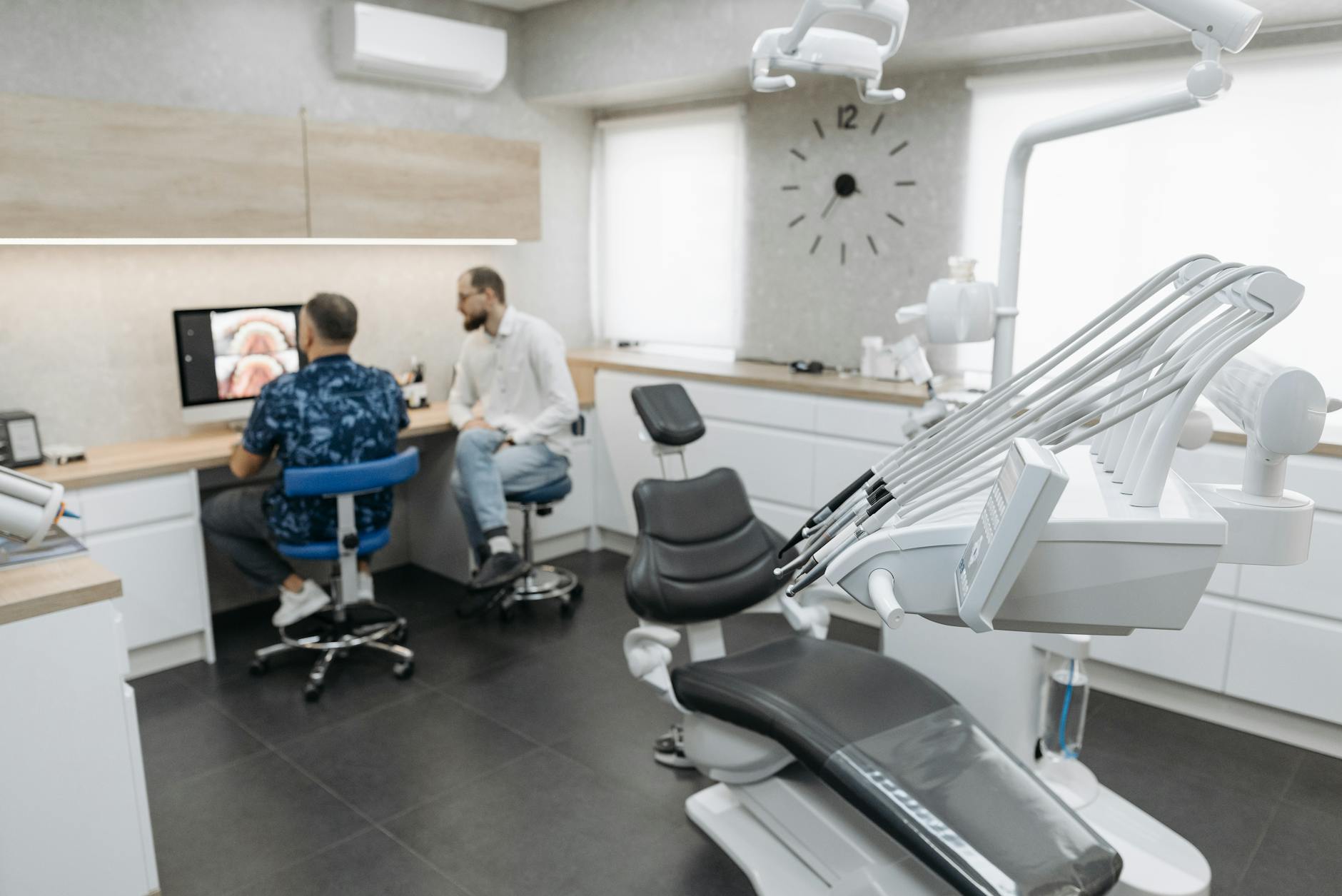
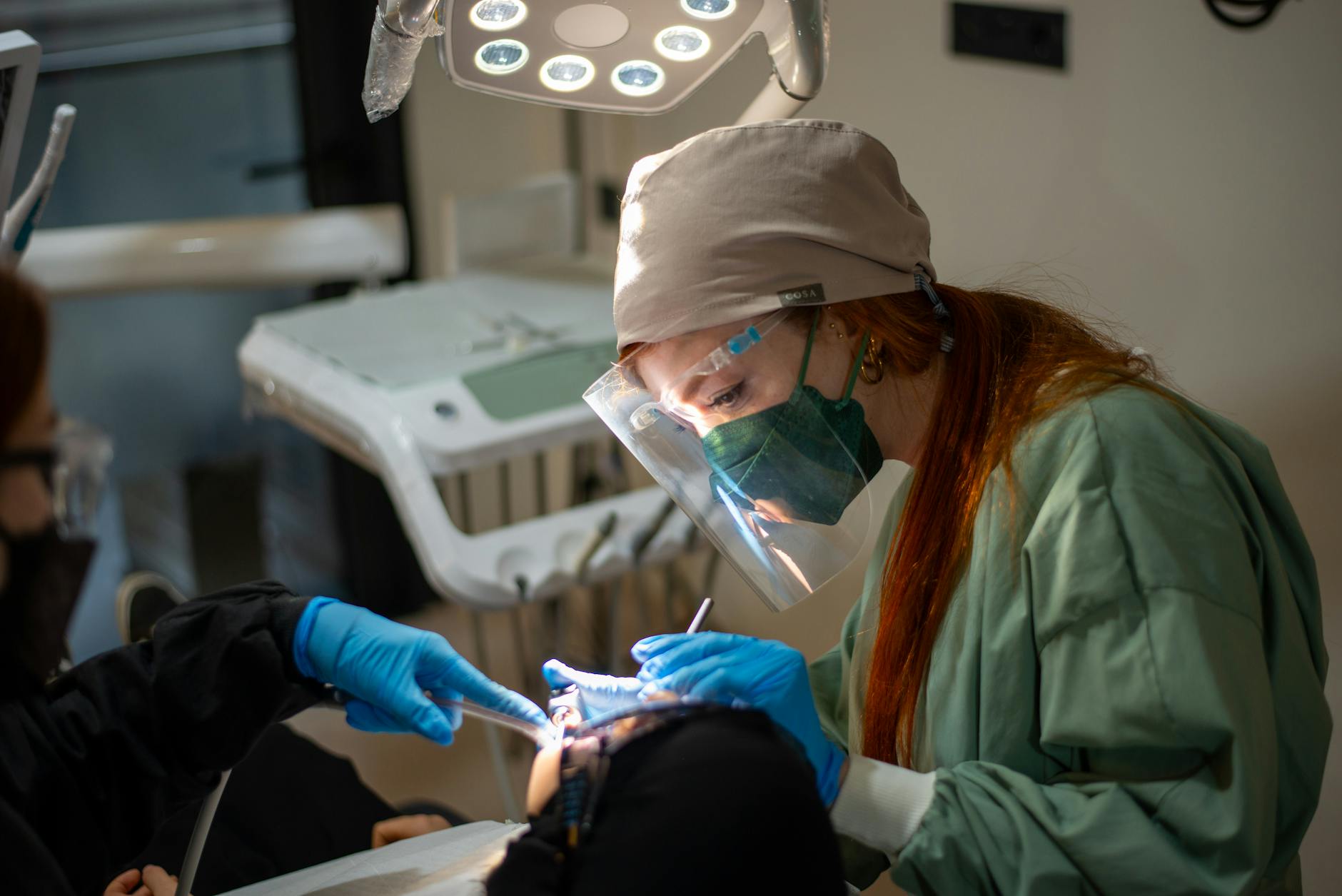
At your visit for a dental abscess emergency, our team will assess your symptoms and comfort, take any necessary X-rays, and explain immediate steps to help you feel better. You’ll receive a clear, step-by-step plan tailored to your situation. The focus is on easing pain, reducing pressure from the infected area, and outlining definitive care to protect your tooth and overall health.
- Priority check-in and brief triage by our Glendale team during business hours.
- Medical and dental history review, including allergies, medications, and recent illnesses.
- Targeted exam and digital X-rays to locate the infection and assess nearby tissues.
- Comfort measures such as local anesthesia; if appropriate, gentle drainage of a gum swelling.
- Discussion of next steps—antibiotics only when indicated, and options like emergency root canal treatment in Glendale or an extraction, with risks and benefits reviewed.
- Personalized home-care guidance and a follow-up plan.
Until you’re seen today, you may gently rinse with warm saltwater, keep the area as clean as you can, avoid heat or squeezing the swelling, and use a cold compress on the cheek; you can take over-the-counter pain relievers as directed if you can do so safely. When to call now: worsening pain, facial swelling, fever, or a bad taste that persists.
Preventive Measures for Dental Health
Preventive measures for dental health are the daily steps and routine visits that help keep infections from starting. Brushing with fluoride toothpaste, cleaning between teeth, and limiting sugar support healthy gums and strong enamel. Seeing a dentist for checkups and early care helps you avoid cavities that can progress into abscesses, lowering your risk of a dental abscess emergency.
At home, brush gently for two minutes twice a day, floss or use interdental cleaners once a day, and drink water after meals to rinse away food acids. Choose a soft toothbrush and replace it about every three months, and wear a mouthguard if you clench or play sports to help prevent cracks and chips. Here in Glendale, schedule professional cleanings and an exam at least twice a year during business hours, and don’t ignore early signs like sensitivity, a chipped tooth, a loose filling, or puffy gums; addressing small issues promptly can help prevent severe pain or swelling. If you’re already uncomfortable, see our emergency tooth pain relief page for comfort tips until your visit. When to call now: sudden facial swelling, fever with dental pain, or trouble swallowing needs same-day evaluation during business hours.
Effectiveness of Antibiotics for Abscess
Antibiotics can play a helpful but limited role in treating a dental abscess. They may slow the spread of infection and ease swelling, but they do not remove the source of the abscess; most teeth require drainage, an emergency root canal treatment in Glendale, or sometimes extraction to address the cause. A dentist should examine you and decide if antibiotics are appropriate; starting old or leftover pills can mask symptoms and complicate care. If you’re facing a dental abscess emergency, antibiotics alone rarely solve the problem.
Between now and your visit, focus on comfort and reducing irritation. Take over-the-counter pain relievers as directed, use a cool compress on the cheek for 10–15 minutes at a time, swish gently with warm saltwater, avoid chewing on the sore side, and sleep with your head slightly elevated; avoid heat, alcohol-based mouthwashes, or trying to drain the swelling yourself. Schedule an exam during business hours so the dentist can assess the infection, ease pressure if appropriate, and discuss the best next step, which may include drainage, root canal therapy, or extraction. When to call now: contact our Glendale office during business hours if you notice facial swelling, fever, a bad taste from drainage, or pain that is getting worse.
Importance of Dental Hygiene
Strong daily hygiene lowers the bacteria that cause cavities and gum disease. When these problems aren’t managed, they can spread deeper into a tooth and nearby tissues, increasing the chance of swelling and pain that may require urgent care. That’s why brushing twice a day, cleaning between teeth, and seeing a dentist during business hours for routine checkups and cleanings can reduce the risk of a dental abscess emergency. Good habits don’t treat an active infection, but they make your mouth more resilient and help problems get caught earlier.
If you’re having soreness, bad taste, or mild swelling while you arrange an appointment in Glendale, a few simple steps may help you stay more comfortable until we can examine you in person. Rinse gently with warm saltwater, keep the area as clean as you can with careful brushing and flossing, avoid chewing on that side, and skip very hot, cold, or sugary foods. Stay hydrated. Over-the-counter pain relievers such as acetaminophen or ibuprofen can be used as directed on the label if they are safe for you; do not place aspirin on the tooth or apply heat to the face. Do not poke or squeeze any pimple-like bump; just keep the area clean and call. These measures are temporary and not a substitute for care; plan a same-day evaluation during business hours or see our emergency tooth pain relief guidance. When to call now: if you notice facial swelling, fever, trouble swallowing, or worsening pain.
Relief Options for Pain Management
During a dental abscess emergency, pain relief focuses on calming inflammation, keeping the area clean, and avoiding pressure on the sore tooth. These are short-term measures; only in-office care can treat the source of infection, so plan to be seen during business hours. Our team can talk you through safe comfort steps on the phone while we arrange your visit in Glendale.
Rinse gently with warm saltwater a few times a day to help reduce surface irritation, then spit—do not swallow the rinse. Use a cold compress on the outside of your cheek in short intervals to ease swelling, and rest with your head elevated. If you use over-the-counter pain relievers, take them only as directed on the label and avoid placing aspirin on the gums. Choose soft, cool foods, chew on the opposite side, and avoid very hot drinks, alcohol-based rinses, or tobacco. Keep the area as clean as you comfortably can, but do not try to pop or drain the swelling. For additional comfort tips before your appointment, see our emergency tooth pain relief guidance. When to call now: call immediately if swelling spreads on your face, you develop fever, or you have trouble swallowing or opening your mouth.
Foods to Avoid with a Dental Abscess
Certain foods can intensify pain and irritation when you have an abscess. During a dental abscess emergency, try to avoid items that are very hot or icy, spicy, acidic, hard, or sticky, as these can trigger sensitivity, aggravate swollen gums, or crack a weakened tooth. Until a dentist examines you during business hours, favor soft, lukewarm choices and chew on the opposite side.
- Very hot or ice-cold drinks and foods
- Spicy dishes and hot sauces
- Acidic foods and beverages (citrus, tomatoes, vinegar, soda)
- Hard or crunchy snacks (nuts, chips, crusty bread)
- Sticky/sugary items (caramels, gummies, dried fruit)
- Alcohol and carbonated beverages
Keeping the area calm helps you get to your appointment more comfortably: sip water, avoid alcohol and tobacco, and gently rinse with warm saltwater if it doesn’t sting. An abscess needs prompt, in-person care to help protect your tooth and overall health; call our Glendale office during business hours to be seen. For comfort tips while you wait, see our emergency tooth pain relief resource. When to call now: contact us immediately if swelling spreads to your face, you develop fever, or you have trouble swallowing or severe, worsening pain.
How Stress Affects Oral Health
Stress can show up in your mouth as jaw clenching, teeth grinding, gum irritation, mouth sores, and dry mouth. Muscle tension and stress hormones can increase inflammation and reduce saliva, letting bacteria thrive and making tissues more sensitive. Stress doesn’t create infection by itself, but it can lower your resistance, so cracks, cavities, or untreated gum problems are more likely to flare into a dental abscess emergency.
If stress is causing tooth or jaw pain, schedule an evaluation during business hours so we can check for cracks, infections, or bite issues; if you’re in Glendale, call our office to be seen promptly. Until your visit: sip water often, use a warm saltwater rinse, choose soft foods, avoid extreme temperatures and hard chewing, apply a cool compress on the outside of your cheek in short intervals, and take over-the-counter pain relievers only as directed; continue gentle brushing and flossing, and try brief jaw relaxation breaks (rest your tongue on the roof of your mouth and unclench). For comfort tips specific to toothaches, see our emergency tooth pain relief guidance. When to call now: pain with facial swelling, fever, a bad taste or drainage from the gum, or trouble swallowing needs prompt same-day attention.
Medical sources (PubMed)
- Carrasco-Labra A, et al. J Am Dent Assoc. 2024. “Evidence-based clinical practice guideline for the pharmacologic management of acute dental pain in adolescents, adults, and older adults: A report from the American Dental Association Science and Research Institute, the University of Pittsburgh, and the University of Pennsylvania.”. PMID: 38325969 / DOI: 10.1016/j.adaj.2023.10.009
- Carrasco-Labra A, et al. J Am Dent Assoc. 2023. “Evidence-based clinical practice guideline for the pharmacologic management of acute dental pain in children: A report from the American Dental Association Science and Research Institute, the University of Pittsburgh School of Dental Medicine, and the Center for Integrative Global Oral Health at the University of Pennsylvania.”. PMID: 37634915 / DOI: 10.1016/j.adaj.2023.06.014
- Cope AL, et al. Cochrane Database Syst Rev. 2024. “Systemic antibiotics for symptomatic apical periodontitis and acute apical abscess in adults.”. PMID: 38712714 / DOI: 10.1002/14651858.CD010136.pub4
- Pergolizzi JV, et al. Expert Opin Pharmacother. 2020. “The pharmacological management of dental pain.”. PMID: 32027199 / DOI: 10.1080/14656566.2020.1718651
- Pigg M, et al. J Endod. 2021. “New International Classification of Orofacial Pain: What Is in It For Endodontists?”. PMID: 33340605 / DOI: 10.1016/j.joen.2020.12.002
- Renton T Headache. 2020. “Tooth-Related Pain or Not?”. PMID: 31675112 / DOI: 10.1111/head.13689