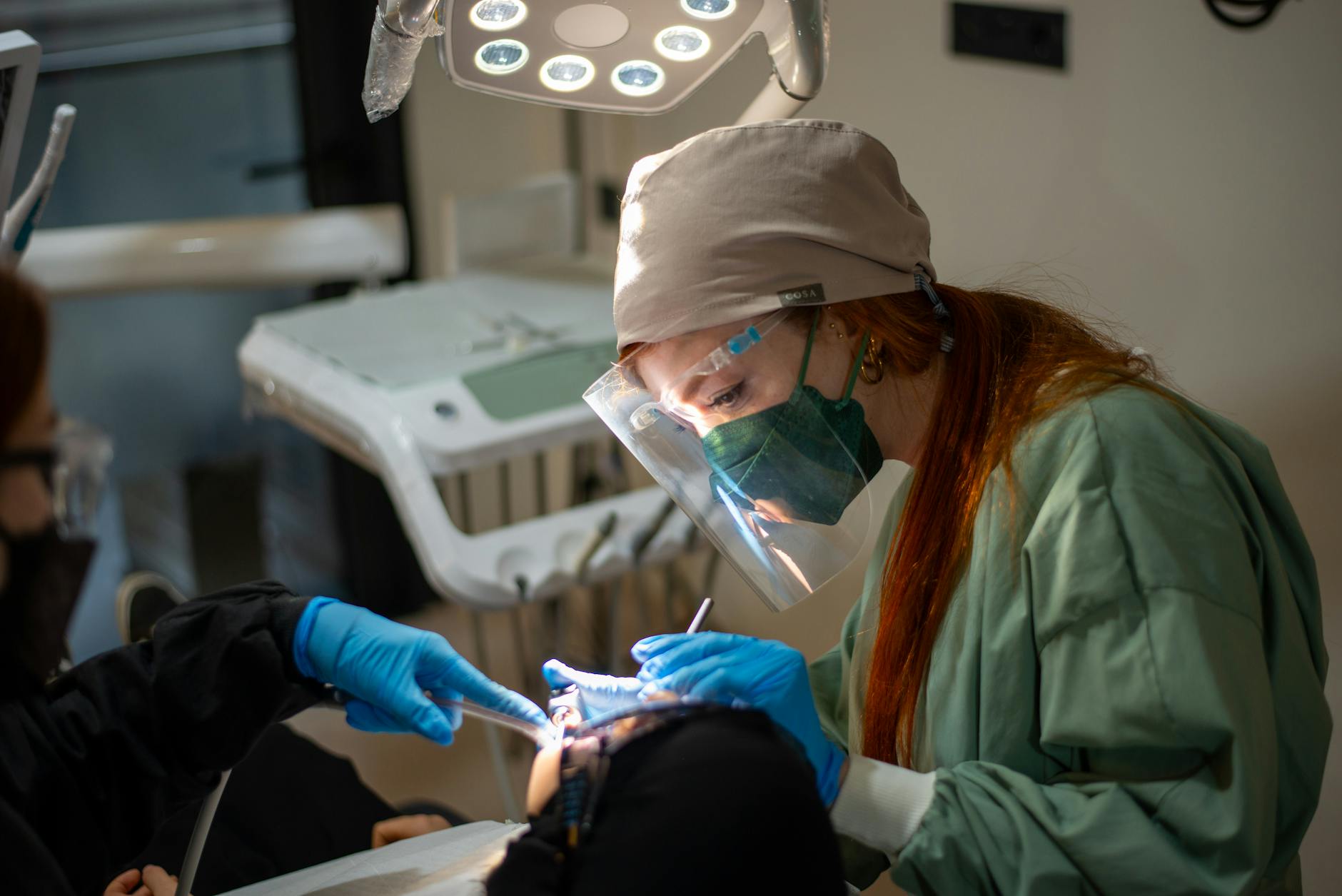
Understanding Root Canals and Extractions
A root canal treats the inside of a tooth when the nerve (pulp) is inflamed or infected; your dentist cleans and disinfects the canals and seals them so you can keep the natural tooth. An extraction removes the tooth from the socket when it cannot be predictably restored or when removal is the healthier option for your mouth. Both address pain and infection, but they solve different problems. Deciding between root canal vs extraction depends on how much sound tooth structure remains, the location and size of decay or a crack, gum and bone support, and your goals for function and comfort; if you have deep, lingering pain to temperature or a spontaneous throbbing ache, learn more about emergency root canal treatment in Glendale.
At an urgent visit during our business hours (9:00am–5:00pm Mon–Thu, 9:00am–2:00pm Fri), we examine the area, take digital X‑rays, and test the tooth to determine the source of pain, then explain your options and the next steps. Findings that often lead to extraction include a crack that extends below the gumline, decay or a break that leaves too little tooth to support a restoration, advanced mobility, or problematic wisdom tooth position; when a tooth can be cleaned and sealed reliably, a root canal may be discussed to preserve it. Until we see you, you can gently rinse with lukewarm saltwater, place a cold compress on the cheek in short intervals, avoid chewing on the sore side, and use over‑the‑counter pain relievers only as directed if you can take them safely; do not place aspirin on the tooth or gums. We focus first on getting you comfortable and outlining a plan that fits your situation. When to call now: if you have escalating pain, facial swelling, fever, or trauma to a tooth, call our Glendale office during business hours for a prompt evaluation.
Pros and Cons of Root Canals
A root canal is designed to remove infected or inflamed tissue inside a tooth and seal it so you can keep your natural tooth. Compared with removing a tooth, the goal is to address the source of pain while preserving normal chewing and your smile. It isn’t right for every situation, and a dentist will evaluate X‑rays, cracks, gum health, and your symptoms before recommending next steps.
Benefits often include keeping your own tooth, which helps maintain bite alignment and avoids a gap that could strain neighboring teeth. Many patients appreciate that, once healing is complete, the treated tooth can function comfortably for everyday eating. Root canals can also be a timely option for deep, temperature‑lingering tooth pain; if that’s what you’re feeling, we may discuss emergency root canal treatment in Glendale. On the other hand, root canals are not ideal if a tooth is fractured below the gumline or so decayed that it can’t be predictably restored; in those cases, removal may be recommended. Treatment may require more than one visit and, depending on the tooth’s condition, you may need a crown afterward; mild post‑procedure tenderness is common and typically improves as you heal. When you’re weighing root canal vs extraction, consider long‑term function, the condition of the remaining tooth structure, and your dentist’s guidance after an in‑person exam. If you’re in pain today, call during business hours so we can evaluate you promptly; until we see you, avoid chewing on the sore side, rinse gently with lukewarm saltwater, and consider over‑the‑counter pain relievers as directed if safe for you. When to call now: reach us between 9:00am–5:00pm Mon–Thurs and 9:00am–2:00pm Fri if you have severe toothache, facial swelling, or temperature sensitivity that lingers.
Pros and Cons of Tooth Extractions
Tooth extraction removes a tooth that is too damaged, decayed, infected, or loose to be predictably saved. The main advantages are that it can quickly remove the source of pain or infection and simplify future care when a tooth is non-restorable. The trade-offs are permanent tooth loss, potential shifting of nearby teeth, and changes in chewing or speech; many people later consider a replacement option to restore function and appearance. If you’re weighing root canal vs extraction, the better choice depends on the tooth’s condition, your overall oral health, and what will be most stable for you long-term.
When a tooth can be repaired with predictable strength and comfort, saving it is often preferred; extraction is typically recommended when there’s a deep crack below the gumline, severe structural loss, advanced mobility, or a failing tooth that cannot be rebuilt. During an extraction, the area is numbed, the tooth is gently loosened and removed, and a blood clot forms to start healing. At home, bite gently on the provided gauze, use a cold compress on the cheek in short intervals, take over-the-counter pain relievers as directed, eat soft foods, and avoid smoking or drinking through a straw so the area can clot undisturbed. For situations where removal is the safest path, you can learn more about emergency tooth extractions, and we’ll discuss timing for replacement options after healing. For personalized guidance, call our Glendale office during business hours (9:00am – 5:00pm Mon–Thurs, 9:00am – 2:00pm Fri) so we can examine the tooth and explain your options; call now if you have severe pain, facial swelling, or a broken tooth with sharp edges cutting your mouth.
When to Call a Dentist
Call a dentist as soon as you notice significant tooth pain, swelling, or a broken tooth—these issues rarely improve on their own and can worsen quickly. A prompt, in-person evaluation helps address pain and protect nearby teeth and gums. If you’re weighing root canal vs extraction, an exam and X-ray are the only reliable way to determine which option best preserves your health. During business hours, our Glendale team can advise you on immediate steps and arrange timely care.
- Throbbing or spontaneous toothache, especially pain that lingers after hot or cold.
- Gum or facial swelling, or a pimple-like bump on the gums near a tooth.
- Pain when biting, new sensitivity to pressure, or a cracked/chipped tooth.
- Deep cavity, bad taste, or drainage from around a tooth or under a crown.
- Trauma to the mouth or a loose adult tooth after an injury.
Until you’re seen, rinse gently with warm saltwater, keep the area clean, avoid chewing on the sore side, and apply a cold compress on the cheek in short intervals. Over-the-counter pain relievers can be used as directed on the label; do not place aspirin on the tooth or gums. Lingering, deep pain and sensitivity can be a sign of nerve involvement—our dentist will evaluate if you need emergency root canal treatment in Glendale or if extraction is more appropriate. We see urgent dental concerns during business hours: 9:00am–5:00pm Monday–Thursday, and 9:00am–2:00pm Friday. When to call now: if pain, swelling, or a broken tooth is keeping you from normal eating or sleeping, call our Glendale office during our posted hours for guidance and care.
Symptoms That Indicate a Problem
Certain tooth and gum symptoms are your early warning that something inside the tooth, root, or surrounding bone needs prompt attention. Symptoms alone don’t decide root canal vs extraction; only a dentist’s exam and X-rays can determine the next step. Until you’re seen, keep the area clean, avoid chewing on the sore side, rinse gently with lukewarm salt water, apply a cold compress to the cheek in short intervals, and use over-the-counter pain relievers as directed on the label—do not place aspirin on the tooth. For timely care, call our Glendale office during business hours (9:00am – 5:00pm Mon – Thurs, 9:00am – 2:00pm Fri) to arrange a prompt evaluation.
Watch for these red flags: lingering sensitivity to hot or cold that continues after the source is removed; deep, throbbing pain that may radiate to the ear or jaw or wake you at night; pain on biting or release; a pimple-like bump on the gums, gum or facial swelling, or a bad taste from possible drainage; tooth darkening, a large cavity, or a cracked/broken tooth; pressure or soreness behind the last molars that can suggest a wisdom tooth issue. Lingering temperature pain and pain to pressure can indicate nerve involvement and merit assessment for emergency root canal treatment in Glendale, while a tooth that is severely broken below the gumline, very loose, or compromised by extensive decay may point to structural concerns that sometimes lead to extraction. Also note jaw stiffness, difficulty opening, or fever—these suggest the problem is progressing and should be addressed during business hours as soon as possible. When to call now: contact us during business hours today if you notice increasing pain, spreading swelling, or fever.
Consultation Process Explained
Your emergency consultation is designed to quickly find the source of your pain and clearly explain your safest treatment choices. We review your symptoms, examine the tooth and surrounding tissues, and take focused images so you understand whether repair of the tooth or removal is the better path. You’ll leave with next-step instructions and a timeline tailored to your situation, not a one-size-fits-all plan.
- Focused history and symptom review: we’ll ask about pain triggers (cold, heat, biting), duration, swelling, trauma, medications, and allergies to guide a targeted exam.
- Comfort-centered exam: gentle tests (tapping, temperature, bite) and gum evaluation help locate the problem without unnecessary pressure on a tender area.
- Diagnostic imaging: digital X‑rays (and additional views if indicated) reveal decay, cracks, bone changes, and root shape that aren’t visible during the exam.
- Clear options discussion: we’ll explain findings and the likely path—such as emergency root canal treatment in Glendale if the tooth can be predictably treated, or extraction when the tooth is not restorable—plus expected healing timelines and next steps.
- Stabilization and home guidance: as appropriate, we can smooth sharp edges or place a soothing dressing, then advise simple care—avoid chewing on the sore side, use a cold compress, and take over‑the‑counter pain relievers as directed.
Because every case is different, the decision between root canal vs extraction is based on your exam and imaging, not just symptoms. For urgent concerns, call during business hours (9:00am–5:00pm Mon–Thurs, 9:00am–2:00pm Fri) so we can arrange a prompt in‑person evaluation. When to call now: pain that keeps you from sleeping, spreading swelling, fever, or a tooth injury.
What to Expect at Your Visit
When you come in for an emergency visit, our team focuses on finding the source of your tooth problem and making you comfortable. We’ll review your health history, take digital X-rays as needed, and perform a gentle exam and simple tests to see what’s affecting the nerve and surrounding tissues. Then we’ll explain what we see in plain language, outline immediate options, and answer your questions. Before any care starts, we’ll discuss numbing and what you can expect step by step.
Based on the exam, we’ll talk through root canal vs extraction and how each choice affects comfort, function, and recovery. If the nerve can be treated and the tooth structure is saveable, we may recommend emergency root canal treatment in Glendale to address infection inside the tooth and preserve the natural root. If the tooth is split, severely decayed below the gumline, or not restorable, we’ll explain why an extraction may be the safer option today and what short-term healing typically involves. Either way, we prioritize same-day pain relief and stabilization, which could include smoothing a sharp edge, placing a soothing temporary dressing, or adjusting your bite. Until your appointment today, you can gently rinse with lukewarm saltwater, avoid chewing on the sore side, apply a cold compress to the cheek in short intervals, and consider over-the-counter pain relievers as directed if appropriate; do not place aspirin on the gum. We’ll review after-visit instructions and plan any follow-up you might need, such as a definitive restoration after a root canal or replacement options after an extraction. We see emergencies during business hours: 9:00am – 5:00pm Monday – Thursday, and 9:00am – 2:00pm Friday. When to call now: sudden severe pain, facial swelling, fever, trauma, or bleeding that doesn’t slow.
Home Care Before Your Appointment
Simple home care can help you stay comfortable and protect your tooth until we examine it in our Glendale office. If you’re weighing root canal vs extraction, the immediate steps are the same: reduce irritation, keep the area clean, and avoid new damage. Gently brush and floss around the painful tooth if you can, then rinse to remove trapped food. Plan your visit during business hours so we can evaluate the cause and discuss your options clearly.
Until you’re seen, rinse with warm saltwater (about 1/2 teaspoon in a cup of warm water) for 20–30 seconds as needed; avoid vigorous swishing. Apply a cold compress to the cheek in short intervals for soreness, and skip heat. Try not to chew on the affected side; choose softer foods at moderate temperatures, and avoid very hot, very cold, or very sweet items that can trigger sensitivity. If a broken edge is rubbing your cheek or tongue, you may gently cover it with clean dental wax or sugar-free gum as a temporary cushion. Keep your head slightly elevated when resting. If you use an over-the-counter pain reliever, take one you normally tolerate and follow the label; never place aspirin on the tooth or gums. Do not try to drain swelling or use home tools or remedies that can burn or irritate tissues, and never glue anything back onto your tooth; save any loose fragments or a dislodged crown in a clean container and bring them to your visit. For more comfort pointers before your visit, see our emergency tooth pain relief page, and call to schedule during 9:00am–5:00pm Mon–Thurs or 9:00am–2:00pm Fri so we can assess you in person. When to call now: if pain is severe, swelling is spreading, or you notice fever, difficulty breathing, or trouble swallowing.
Recovery Process After Treatment
The recovery process after a root canal vs extraction is different because your mouth heals in different ways. After a root canal, tenderness usually comes from inflammation around the tooth, while after an extraction, the focus is protecting the blood clot in the socket. You should notice steady day‑by‑day improvement, not escalating pain. If your visit included removing a tooth, you can also review our overview of emergency tooth extractions, and call our Glendale office during business hours (9:00am–5:00pm Mon–Thurs, 9:00am–2:00pm Fri) with any questions.
For the first day, rest and keep your head elevated; avoid heavy exercise. Eat soft, cool foods and chew on the opposite side until numbness and tenderness settle; avoid very hot drinks while you’re still numb. Use over‑the‑counter pain relievers only as directed by your physician and the label; a cold compress on the cheek (10 minutes on, 10 off) can help with post‑procedure swelling. After a root canal, brush and floss gently, avoid sticky foods if you have a temporary, and plan your recommended follow‑up to complete the final restoration. After an extraction, protect the clot: do not use straws, spit forcefully, or rinse vigorously for 24 hours; avoid smoking and alcohol; starting the next day, you may gently rinse with warm saltwater as instructed. Keep the area clean but do not probe the site, and follow any written instructions you received. When to call now: increasing rather than improving pain, new or worsening swelling, fever, foul taste or drainage, or bleeding that does not slow with gentle pressure during our office hours.
Factors Affecting Treatment Decisions
Choosing between a root canal vs extraction depends on what we find during your exam and X‑rays, not just the level of pain. We look at how much healthy tooth remains above the gumline, the extent and location of decay or cracks, the health of the surrounding bone and gums, and how the tooth fits into your bite and daily function. Your symptoms also guide us—lingering sensitivity to hot or cold, swelling, or pain on chewing can suggest different problems and solutions. Because every situation is unique, an in‑person evaluation is the safest way to outline predictable options.
If the nerve is inflamed or infected but there is enough sound structure to hold a long‑term restoration, we may discuss emergency root canal treatment in Glendale to relieve the source of pain and keep the natural tooth. When decay extends too far below the gumline, a vertical root fracture is present, the tooth is loose from gum disease, or the remaining structure cannot support a crown, an extraction may be the more reliable path. Tooth position matters as well; a badly damaged wisdom tooth is often removed, while a front tooth that supports your smile and bite is typically prioritized for preservation when feasible. We also consider your overall health and healing needs when planning timing and steps for care. While you arrange a visit, keep the area clean with gentle brushing, avoid chewing on the sore side, use a cold compress on the cheek in short intervals, and take over‑the‑counter pain relievers as directed if you can do so safely—then let us examine you promptly during business hours (9:00am–5:00pm Mon–Thu, 9:00am–2:00pm Fri). When to call now: contact our Glendale office during business hours if you have severe tooth pain, swelling, or a broken tooth so we can assess your safest next step today.
Long-Term Effects of Each Procedure
Over the long term, saving a tooth with a root canal helps preserve your natural bite, keeps nearby teeth from drifting, and maintains jawbone stimulation. Removing a tooth with an extraction can stop infection, but leaving the space empty may allow neighboring teeth to shift and the opposing tooth to over-erupt, which can affect chewing and jaw comfort. Both procedures aim to relieve the source of the problem, yet they lead to different maintenance needs and future dental decisions.
With a root canal, the inside of the tooth is cleaned and sealed; many teeth also need a protective crown afterward to handle daily chewing. Kept clean and checked at routine visits, a treated tooth can continue to function much like your other teeth, though it still requires normal care and can be affected by new decay or heavy bite forces. After an extraction, the site usually heals, but the bone in that area can thin over time; if the space isn’t replaced, chewing efficiency may decrease and extra stress can be placed on the remaining teeth. Replacing a missing tooth—whether with an implant, bridge, or denture—often restores function and helps keep other teeth stable, but it involves additional steps and ongoing care. When weighing root canal vs extraction, consider the long-term impact on chewing, speech, smile esthetics, and the health of the surrounding teeth; your dentist will review X-rays, the tooth’s condition, and your goals to help you decide. If you’re trying to preserve a painful tooth, ask about emergency root canal treatment in Glendale to understand how saving the tooth could support your bite long term. Until we see you, avoid chewing on the sore side, keep the area clean with gentle brushing and a lukewarm saltwater rinse, and use over-the-counter pain relievers as directed; in-person evaluation during business hours is important so we can guide next steps. When to call now: contact us during our business hours (9:00am – 5:00pm Mon – Thu, 9:00am – 2:00pm Fri) if pain or swelling is increasing, or if you’re unsure which option fits your situation.
Alternatives to Root Canals and Extractions
Depending on what’s causing your tooth pain or damage, there are treatments that can relieve symptoms and protect the tooth without a root canal or removal. Small cavities or worn areas may be repaired with a filling or onlay; minor cracks or lost fillings can often be rebuilt; gum-related pain may respond to a focused cleaning; and in some cases a protective crown or medicated temporary dressing can calm an irritated tooth. During a prompt exam with X-rays, our dentist will determine whether conservative care is appropriate during business hours or if the tooth needs a definitive procedure.
Examples of alternatives include: tooth-colored bonding for chips and enamel fractures; smoothing or adjusting a high bite after a recent filling; desensitizing treatments or fluoride for exposed roots; temporary medicated fillings to settle an inflamed nerve; a crown or onlay to strengthen a cracked tooth; and periodontal care for swelling that starts in the gums. If there’s a broken corner or a lost filling, our team can often provide emergency tooth repair to seal and protect the area while we plan the best long-term solution. When infection is present, short courses of medication may be used to control symptoms, but medicines alone are not a fix for a dental source of pain. At home before your visit, rinse gently with warm salt water, use a cold compress on the cheek, and take over-the-counter pain relievers as directed if you can safely do so; avoid chewing on the sore side and do not place aspirin on the tooth or gums. We see urgent patients during business hours (9:00am – 5:00pm, Mon – Thurs; 9:00am – 2:00pm Fri) in Glendale and will advise whether conservative options make sense for you; if you’re weighing root canal vs extraction, we’ll help you understand what each path means and whether a simpler approach is possible. When to call now: call during business hours if pain wakes you from sleep, swelling is worsening, or you notice a bad taste with tenderness around a tooth.
Frequently Asked Questions
Here are quick answers to common questions people have about Root Canal vs Tooth Extraction in Glendale, AZ.
- How do I decide between a root canal and an extraction?
The choice between a root canal and extraction depends on your tooth’s condition. Factors include how much healthy tooth structure remains, the extent of decay or a crack, and gum health. An in-person dental exam with X-rays in our Glendale office will help determine the best option. Preserving the tooth is often ideal when possible, but sometimes removal is necessary for non-restorable teeth.
- What are the benefits of choosing a root canal?
A root canal helps preserve your natural tooth, maintaining your bite and avoiding gaps. This procedure can address pain while keeping normal chewing and appearance. Long-term, a root canal can protect surrounding teeth from shifting. Our Glendale dentist will help establish if this option fits your needs during an evaluation.
- When might tooth extraction be the better choice?
A tooth extraction may be recommended if the tooth has a deep crack below the gumline, severe decay, or advanced gum disease. It quickly removes the source of pain and infection. If the tooth cannot be predictably restored, removal simplifies future care. We offer consultations to discuss whether this is the best approach for your situation.
- How can I manage pain before I see a dentist in Glendale?
Until your appointment, gently rinse with lukewarm saltwater, apply a cold compress on your cheek in short intervals, and avoid chewing on the painful side. Use over-the-counter pain relievers if safe for you, but never place aspirin on the tooth or gums. Arranging a prompt visit during business hours in Glendale will provide targeted relief.
- What should I expect after a root canal or extraction?
After a root canal, you may have mild tenderness as the area heals, and many teeth will need a crown for added protection. Following an extraction, care focuses on protecting the blood clot. You’ll notice continuous improvement over days, with specific instructions provided after evaluation. For assistance, call our office during business hours.
- What if my tooth pain worsens outside of business hours?
If your pain increases outside of business hours, try the home care tips provided, but remember that escalating pain, swelling, or fever needs attention. For a dental emergency during business hours, contact our Glendale office so we can help assess and treat the issue promptly.
Medical sources (PubMed)
- Zhu L, et al. BMC Oral Health. 2024. “Full pulpotomy versus root canal therapy in mature teeth with irreversible pulpitis: a randomized controlled trial.”. PMID: 39415163 / DOI: 10.1186/s12903-024-05011-0
- Taha NA, et al. J Endod. 2023. “A Randomized Controlled Clinical Trial of Pulpotomy versus Root Canal Therapy in Mature Teeth with Irreversible Pulpitis: Outcome, Quality of Life, and Patients’ Satisfaction.”. PMID: 37080387 / DOI: 10.1016/j.joen.2023.04.001
- Green VG, et al. Am J Emerg Med. 2025. “Evidence-based clinical practice guidelines for the management of acute dental pain.”. PMID: 39764906 / DOI: 10.1016/j.ajem.2024.12.054
- Carrasco-Labra A, et al. JADA. 2024. “Evidence-based clinical practice guideline for the pharmacologic management of acute dental pain in adolescents, adults, and older adults: A report from the American Dental Association Science and Research Institute, the University of Pittsburgh, and the University of Pennsylvania.”. PMID: 38325969 / DOI: 10.1016/j.adaj.2023.10.009
- Carrasco-Labra A, et al. JADA. 2023. “Evidence-based clinical practice guideline for the pharmacologic management of acute dental pain in children: A report from the American Dental Association Science and Research Institute, the University of Pittsburgh School of Dental Medicine, and the Center for Integrative Global Oral Health at the University of Pennsylvania.”. PMID: 37634915 / DOI: 10.1016/j.adaj.2023.06.014
- Cope AL, et al. Cochrane Database Syst Rev. 2024. “Systemic antibiotics for symptomatic apical periodontitis and acute apical abscess in adults.”. PMID: 38712714 / DOI: 10.1002/14651858.CD010136.pub4