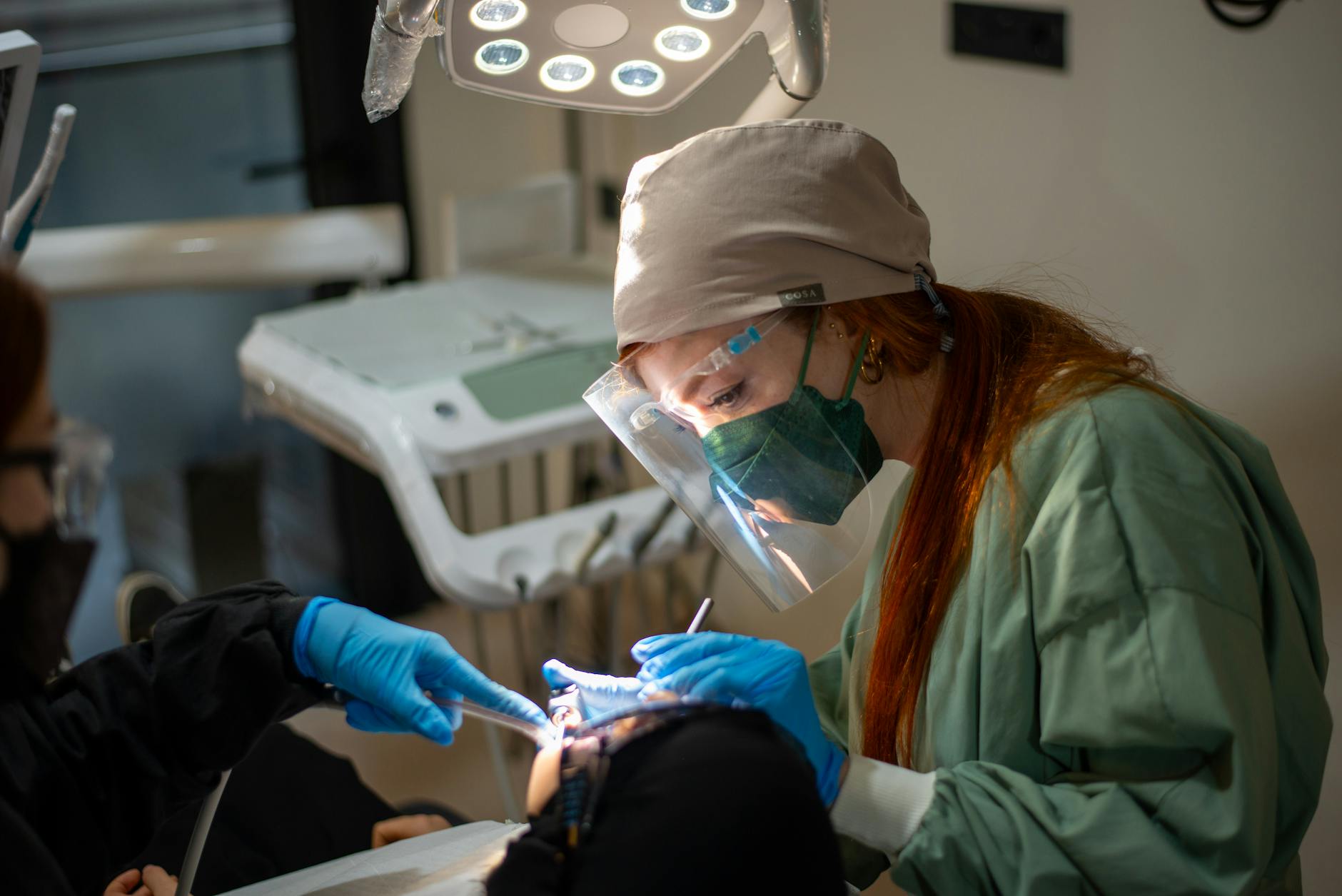
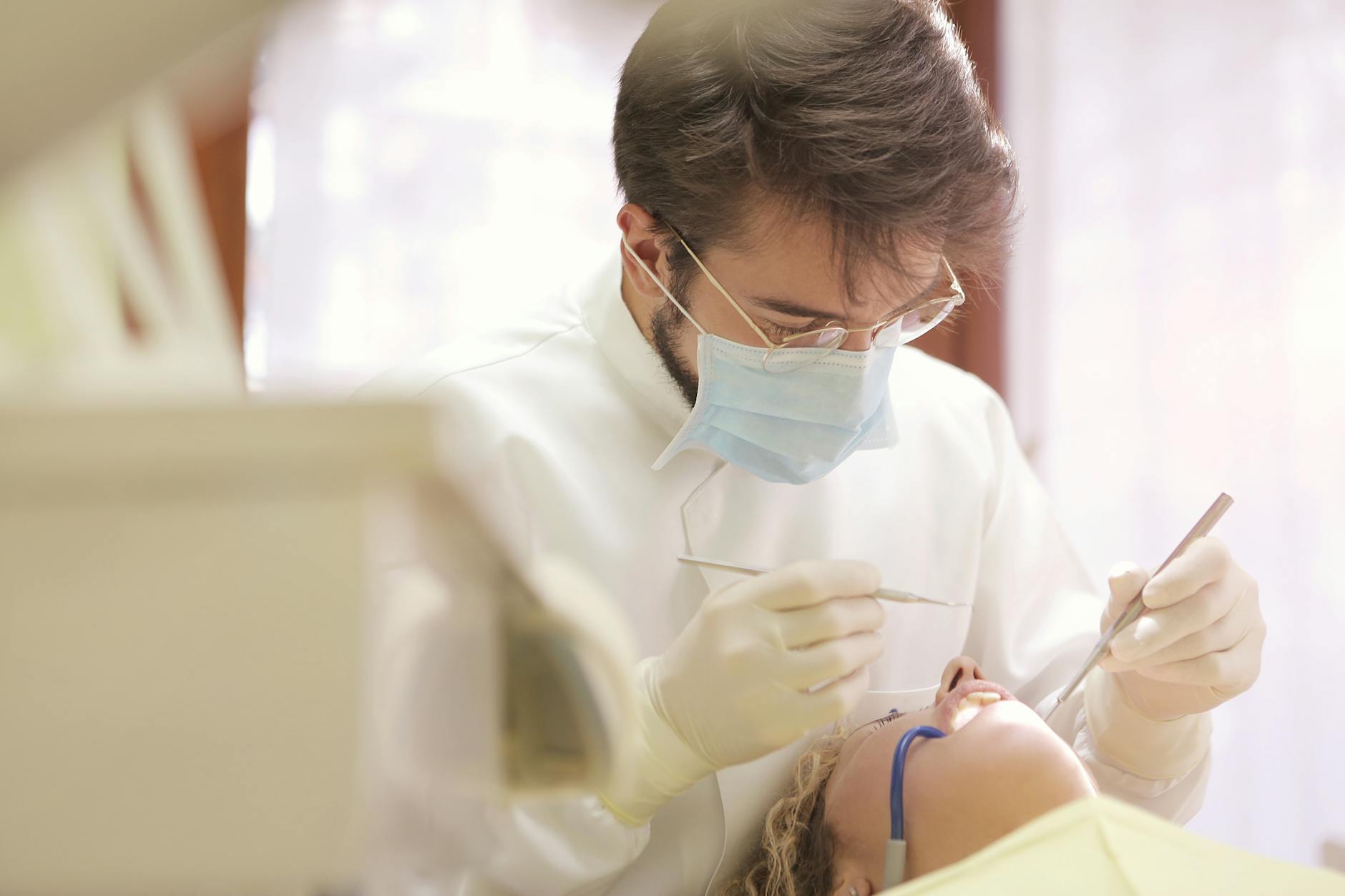
Understanding Tooth Infections
Tooth infections happen when bacteria reach the living tissue inside a tooth through deep decay, a crack, or a failed filling. The pulp becomes inflamed or abscessed, creating pressure and pain that can spread to the surrounding bone and gums. Because these infections tend to progress, an in-person dental evaluation is important to stop the source and protect nearby areas.
Common warning signs include throbbing pain, temperature sensitivity that lingers, pain when chewing, swollen or tender gums, a pimple on the gum that drains, a bad taste, and swelling of the jaw or face; some people also notice fever or swollen lymph nodes. These symptoms can come and go, but that doesn’t mean the infection is gone. Only an exam and dental imaging can determine the source and the safest next step.
While antibiotics for tooth infection may be recommended when there is facial swelling or fever, they are a short-term aid—not a cure—because they do not remove the infected pulp. Definitive care usually involves drainage and cleaning inside the tooth, such as emergency root canal treatment in Glendale, or, in some cases, extraction. Taking leftover antibiotics or delaying treatment can allow the infection to return or spread. We’re available for urgent visits during 9:00am – 5:00pm, Mon – Thurs, and 9:00am – 2:00pm Fri to examine the area and advise timely care.
At home before your visit, keep the area clean, rinse gently with warm saltwater, and use a cold compress on the cheek for swelling. You may take over-the-counter pain relievers like acetaminophen or ibuprofen as directed on the label if you can safely take them; avoid placing aspirin on the tooth or gums, avoid heat, and try not to chew on the sore side. Sleeping with your head elevated can reduce pressure and discomfort. Call us now during 9:00am – 5:00pm Mon – Thurs or 9:00am – 2:00pm Fri if you have spreading swelling, fever, difficulty opening your mouth, or severe, lingering pain.
What Causes Tooth Infections?
Tooth infections start when oral bacteria break through the tooth’s hard outer layers or slip deep under the gums and reach soft tissue. This most often happens with untreated tooth decay, a crack or fracture, a leaking filling or crown, or advanced gum disease that opens a pathway to the root. Partially erupted or impacted wisdom teeth can also trap plaque and food under a gum flap, creating a pocket where bacteria thrive. Once bacteria reach the pulp or the tissues around the root, pressure and inflammation build, which is why pain and swelling can follow if care is delayed.
Several factors raise the risk: dry mouth from medications or dehydration, frequent sipping of sugary drinks or snacking, tobacco use, braces or crowded teeth that are hard to clean, a history of dental trauma, and medical conditions that affect healing or immunity. Jaw or sinus issues can mimic tooth pain, but true infections require a pathway for bacteria to enter and multiply. While antibiotics for tooth infection may be used to help limit spread, they can’t remove the source; definitive care means eliminating the bacteria inside the tooth or gums and sealing or removing the affected area—often with emergency root canal treatment in Glendale, drainage, or, in some cases, extraction. Until you’re seen, keep the area as clean as you can with gentle brushing and a lukewarm saltwater rinse, avoid heat on the face, use a cold compress for swelling, and take over‑the‑counter pain relief as directed if you’re able; don’t try to pop or drain anything yourself. Call our office during business hours (9:00am–5:00pm Mon–Thurs, 9:00am–2:00pm Fri) if you notice swelling, a pimple on the gums, bad taste, or pain that lingers after hot or cold—these are signs to be seen promptly.
Symptoms of a Tooth Infection
Tooth infections often begin in the tooth’s nerve and can spread into the surrounding bone and gum. Watch for a deep, throbbing toothache, swelling, and a persistent bad taste from drainage. If you notice these signs, call our Glendale office during business hours (9:00am – 5:00pm Mon – Thurs, 9:00am – 2:00pm Fri); antibiotics for tooth infection may help limit bacteria, but only in-person treatment addresses the source. When pain lingers after hot or cold, we’ll evaluate whether emergency root canal treatment in Glendale is appropriate.
- A deep, throbbing toothache that may wake you at night or radiate to the jaw or ear; the pain can pulse and often doesn’t respond well to home remedies.
- Sensitivity to hot, cold, or sweets that lingers more than 10–15 seconds after the trigger is gone; lingering sensitivity can signal irritation of the nerve inside the tooth.
- Swelling of the gum, face, or jaw near the tooth; the area may feel warm or tight and you might have trouble opening your mouth fully or chewing on that side.
- A pimple-like bump on the gum that drains pus, causing a bad taste or odor; it may come and go as pressure builds and releases through a small sinus tract.
- Pain when biting or chewing, or a sensation that the tooth feels “taller” than the others; this can happen when the ligament around the tooth becomes inflamed.
- General signs of infection such as fever, swollen lymph nodes under the jaw, fatigue, or headache; these whole-body symptoms mean the infection may be affecting more than the tooth.
Antibiotics for Tooth Infection Explained
Antibiotics can help control dental infections by limiting bacterial spread and lowering the risk of complications, but they do not fix the source of the infection inside the tooth or gums. Dentists prescribe antibiotics for tooth infection when there is facial swelling, fever, a spreading abscess, certain medical conditions, or when immediate drainage isn’t possible, and they are paired with a procedure to remove the cause. If your pain or swelling started today, call during our business hours (9:00am – 5:00pm Mon – Thurs, 9:00am – 2:00pm Fri) so a dentist can examine you and advise the safest next step.
The dentist will evaluate the area, take an x-ray if needed, and discuss definitive care such as draining the abscess, placing a protective filling, an emergency root canal treatment in Glendale, or, in some cases, extraction. Antibiotics may reduce swelling and tenderness over 24–48 hours, but symptoms can return if the source isn’t treated; most dental infections require a procedure for long-term relief. Until you’re seen, keep the area clean with gentle lukewarm saltwater rinses, apply a cold compress to the cheek for up to 10 minutes at a time, take over-the-counter pain relievers as directed if you can safely do so, sleep with your head elevated, and avoid heat, alcohol rinses, or trying to drain the area. Do not start leftover antibiotics or stop early; if medicine is prescribed, take it exactly as directed and contact the office if you notice side effects or worsening swelling. Seek urgent medical care immediately if swelling spreads under the tongue, into the neck, or affects breathing or swallowing. When to call now: during business hours if you have facial swelling, fever, or a severe toothache that’s keeping you from sleeping.
When to Call a Dentist
Call a dentist as soon as you suspect a tooth infection—waiting gives bacteria time to spread and pain time to worsen. Antibiotics cannot remove the source of a dental infection; they only support care and are not a substitute for treatment. If you’re wondering whether antibiotics for tooth infection are enough, the short answer is no, because the problem usually returns without in‑office care. Our Glendale team answers calls 9:00am–5:00pm Mon–Thurs and 9:00am–2:00pm Fri to help you decide next steps and schedule a prompt visit.
Reach out during business hours if you have throbbing tooth pain that lingers after hot or cold, swelling in your gums, face, or jaw, a pimple-like bump on the gums with a bad taste or drainage, pain when biting or chewing, fever or feeling run‑down, or a cracked/decayed tooth that now aches. Deep, temperature‑lingering pain can indicate nerve involvement and should be assessed—this is often treated with emergency root canal treatment in Glendale. Until you’re seen, keep the area clean with gentle warm saltwater rinses, avoid very hot or cold foods, chew on the opposite side, and apply a cold compress to the cheek in short intervals to help with swelling. Take over‑the‑counter pain relievers only as directed if they are safe for you, and avoid placing aspirin or oils on the tooth or gums. Do not try to pop a gum bump or apply heat, which can worsen swelling. If you were previously given antibiotics, do not start leftovers; call so the dentist can determine whether medication is appropriate and, more importantly, address the source of infection. When to call now: if symptoms are worsening or you’re unsure what to do next, call our Glendale office during business hours for guidance and to arrange prompt care.
Types of Antibiotics for Dental Issues
Different dental infections call for different antibiotic families, chosen by your dentist based on the source and severity of the infection, your medical history, and allergies. Antibiotics can help control a spreading infection and reduce swelling, but they do not fix the tooth itself—definitive treatment such as drainage, root canal therapy, or extraction is usually needed. Dentists may prescribe antibiotics for tooth infection when there are signs of systemic involvement (like fever or facial swelling) or when immediate procedures must be coordinated. Avoid starting or sharing leftover antibiotics, and plan an in‑person visit during business hours for proper care.
- Penicillin-class (such as amoxicillin): Common first choice for many dental infections if no allergy, targeting typical oral bacteria.
- Amoxicillin with clavulanate: Broader coverage that may be selected for more severe infections or when resistance is a concern.
- Clindamycin: Often used for patients with penicillin allergy; provides strong anaerobic coverage but may cause stomach upset.
- Metronidazole: Sometimes added to another antibiotic to strengthen anaerobic coverage in deeper or gum-related infections.
- Cephalosporins (such as cephalexin): Alternative in certain cases, depending on your allergy profile and the infection pattern.
- Azithromycin (a macrolide): Option when other choices are unsuitable or allergy limits selection.
Your dentist will decide if antibiotics are needed, select the dose and duration, and schedule the procedure that removes the source of infection—such as incision and drainage, emergency root canal treatment in Glendale, or extraction. While you await your visit, keep your head elevated, use a cool compress on the cheek, and rinse gently with warm salt water; avoid heat, alcohol rinses, or placing aspirin on the gums. Do not delay in-person care—our office is open 9:00am–5:00pm Mon–Thurs and 9:00am–2:00pm Fri—because worsening swelling, fever, or difficulty swallowing can become urgent. When to call now: if you notice rapidly increasing facial swelling, fever, or trouble breathing or swallowing.
What to Expect at Your Visit
At your emergency visit, we focus on clear answers and immediate comfort. We’ll review your symptoms, examine the area, and take any needed X‑rays so we can explain what’s causing the pain and how to address it. Our first step is to reduce pressure and irritation—this may include numbing the area, smoothing a sharp edge, opening the tooth to relieve pressure, placing a soothing dressing, or adjusting your bite if it’s inflamed. If appropriate, antibiotics for tooth infection may be prescribed as a short-term aid, but we’ll also outline the procedure needed to remove the source of the infection.
Next, we’ll discuss your treatment options based on what we find. If the nerve is affected and the tooth can be saved, we may recommend starting or scheduling emergency root canal treatment in Glendale; if the tooth cannot be restored, we’ll talk through other appropriate next steps. You’ll leave with tailored home instructions, which may include lukewarm saltwater rinses, a cold compress on the cheek in short intervals, avoiding chewing on the sore side, and using over‑the‑counter pain relievers only as directed if they’re safe for you; never place aspirin directly on a tooth. If an antibiotic is prescribed, take it exactly as directed and complete the course unless we advise otherwise, and keep your follow‑up so the source of infection is resolved. We aim to see urgent patients promptly during business hours: 9:00am–5:00pm Monday–Thursday and 9:00am–2:00pm Friday. When to call now: if you notice facial swelling, fever, difficulty swallowing, or pain that’s worsening, call during our posted hours for guidance and a priority visit.
Home Care Before Your Appointment
If you suspect a tooth infection, a few simple steps can keep you as comfortable as possible until we see you. These measures do not treat the source of infection—only an in-person exam can do that—and antibiotics for tooth infection are used only when a dentist determines they’re appropriate. If pain is severe, call our Glendale office to be seen during business hours (9:00am–5:00pm Mon–Thu, 9:00am–2:00pm Fri); for comfort tips in the meantime, you can also review our emergency tooth pain relief guidance.
Rinse gently with warm saltwater a few times a day to help keep the area clean, and avoid very hot or very cold drinks that can trigger pain. Use over-the-counter pain relievers as directed on the label; do not place aspirin or other medications directly on the gums. Apply a cold compress to the cheek in short intervals to ease tenderness, keep your head elevated when resting, and avoid heat to the face. Choose soft, lukewarm foods, chew on the opposite side, stay hydrated, and avoid alcohol and tobacco, which can irritate tissues. Brush gently with a soft-bristled brush and carefully floss to remove trapped food, but don’t use sharp objects or try to drain any pimple-like bump on the gums. Only take antibiotics exactly as prescribed to you by a healthcare professional; do not use leftover pills or someone else’s medication, and bring a list of any medicines you’ve taken to your visit. Call our office now during business hours if you notice facial swelling, fever, worsening pain, or new trouble opening your mouth.
Potential Side Effects of Antibiotics
Antibiotics are sometimes used to help control dental infections, but they can cause side effects. When you take antibiotics for tooth infection, the most common issues are digestive upset and mild changes you may notice soon after starting the medication. Reactions vary from person to person and can range from minor discomfort to symptoms that require immediate attention. If you’re unsure whether a symptom is normal, call our Glendale office during business hours so we can advise you on the safest next step.
Common, temporary side effects include nausea, stomach pain, loose stools or diarrhea, gas, and a temporary change in taste; some patients may also notice a yeast infection or oral thrush. Less common but urgent symptoms include a widespread rash, hives, swelling of the lips, tongue, or face, trouble breathing, or severe, persistent watery diarrhea with cramping or fever. Because antibiotics can interact with other medicines and supplements, please share a full list with our team and your pharmacist. At home, take your prescription exactly as directed with a full glass of water, avoid skipping doses, and choose simple foods if your stomach is sensitive (only take with food if your instructions permit). If side effects are significant, contact us before making changes to how you take the medication. Remember, antibiotics can reduce bacterial load but do not remove the source of the dental infection; a definitive procedure—often something like emergency root canal treatment in Glendale—may still be necessary after an examination. We’re available 9:00am–5:00pm Monday–Thursday and 9:00am–2:00pm Friday to evaluate your symptoms in person and guide you to appropriate care. When to call now: if you have spreading facial swelling, fever, worsening tooth pain, or any concerning side effect—especially rash, breathing trouble, or persistent watery diarrhea.
Alternatives to Antibiotics
Antibiotics for tooth infection can be helpful in limited situations, but they don’t fix the source of the problem. The true alternatives are dental treatments that remove the infection and relieve pressure, such as draining the abscess, cleaning the inside of the tooth, or removing a tooth that can’t be saved. If you’re in pain, the priority is an exam and same-day care during business hours so we can choose the safest, most effective option for you.
Common alternatives include opening and draining the swollen area to release pressure, treating the nerve space of the tooth with emergency root canal treatment in Glendale to clean and seal the inside, or extracting a tooth when it is too damaged to restore. While you’re arranging a visit, you can rinse gently with lukewarm saltwater, use a cold compress on the cheek for 10 minutes at a time, and take over-the-counter pain relievers as directed on the label (do not place pills on the gums). Keep the area as clean as you can and sleep with your head elevated; avoid heat on the face, as it may worsen swelling. These steps may make you more comfortable for a short time, but they are not a substitute for in-person care. Call our Glendale office during business hours (9:00am–5:00pm Mon–Thurs, 9:00am–2:00pm Fri) so we can evaluate and treat the source of the infection promptly. When to call now: increasing facial swelling, fever, or tooth pain that wakes you at night or makes it hard to focus.
Preventing Tooth Infections
Tooth infections usually start when bacteria get past weakened enamel and into the inner tooth. Prevention means limiting that bacterial access and addressing small problems before they spread. Daily home care, smart eating habits, and timely dental visits work together to lower your risk and reduce the chances you’ll ever need antibiotics for tooth infection, which are reserved for specific situations and don’t replace dental treatment.
If you’re worried something is “brewing,” keep the area clean today: gently brush the gumline with a soft brush, floss carefully to remove trapped food, and rinse with warm saltwater after meals. Avoid chewing on the sensitive side and skip very hard, sticky, or sugary snacks until we examine the tooth; a cool compress on the cheek can help with tenderness or mild puffiness. Over-the-counter pain relievers can be used as directed on the label if you’re uncomfortable, but do not place aspirin directly on your gums, and don’t start leftover antibiotics. Ongoing prevention includes consistent brushing and flossing, wearing a mouthguard if you clench or play sports, and seeing a dentist promptly when a filling chips, a crown loosens, or a tooth becomes temperature-sensitive. Lingering pain with hot or cold, swelling, a bad taste, or pain that wakes you up are signs that the nerve may be involved and should be evaluated; in some cases, this is treated with emergency root canal treatment in Glendale to remove infection at the source. We’re here to help during business hours—9:00am to 5:00pm Monday through Thursday, and 9:00am to 2:00pm Friday—so call for a same-day assessment if you notice worsening pain, swelling, or a cracked tooth that’s starting to throb.
The Role of Dental Hygiene
Good dental hygiene helps control bacteria around a troubled tooth and can reduce irritation while you arrange definitive care. It doesn’t cure an abscess or replace treatment, but keeping the area clean supports healing and may ease tenderness. Even when antibiotics for tooth infection are prescribed, daily hygiene is the part you manage at home until we can examine the tooth in person.
- Brush gently twice daily with a soft-bristled brush, angling bristles toward the gumline without scrubbing the sore spot.
- Floss carefully once a day to remove plaque between teeth; slide the floss, don’t snap, especially near the painful area.
- Rinse with warm saltwater (½ teaspoon salt in a cup of warm water) for 30 seconds after meals to help clear debris.
- Keep the site clean after eating by gently swishing water and avoiding chewing on the tender side.
- Limit sugary snacks and acidic drinks that feed bacteria, and stay hydrated to support saliva’s natural cleansing.
Hygiene helps, but it cannot remove infected pulp or drain a deep pocket; that requires in-office care. If pain lingers with hot or cold, the tooth may need more than cleaning—often evaluation for emergency root canal treatment in Glendale or another procedure. Our team can assess the source, clean the area professionally, and outline next steps during business hours: 9:00am–5:00pm Mon–Thurs, and 9:00am–2:00pm Fri. If you’re unsure how to clean around a painful tooth, call and we’ll guide you on safe steps until your visit. When to call now: contact us during business hours if you notice facial swelling, fever, spreading pain, or trouble opening your mouth.
Frequently Asked Questions
Here are quick answers to common questions people have about Antibiotics for Tooth Infections in Glendale, AZ.
- Can antibiotics completely cure a tooth infection?
Antibiotics for tooth infection can help control bacteria and reduce swelling, but they don’t remove the infection’s source within the tooth itself. Definitive treatment, such as root canal therapy or extraction, is often necessary to remove the infection and prevent recurrence. Always consult with a dentist for a proper examination and treatment plan.
- What are signs I might need antibiotics for a tooth infection?
Indications for antibiotics generally include facial swelling, fever, or systemic symptoms. They might also be prescribed if there are medical conditions present that necessitate controlling bacterial spread. However, antibiotics are a part of comprehensive care and not a standalone solution.
- How soon should I see a dentist if I suspect a tooth infection?
If you notice signs such as severe toothache, facial swelling, or a bad taste in your mouth, see a dentist as soon as possible within business hours. Delaying treatment could allow the infection to spread, leading to more serious complications. Our Glendale office can evaluate and provide care during business hours.
- What should I do at home if I have a tooth infection and can’t see a dentist immediately?
You can rinse gently with warm saltwater, use a cold compress on your cheek to ease swelling, and take over-the-counter pain relievers if safe for you. Avoid using heat on the face and don’t attempt to drain any swelling yourself. These are temporary measures until you see a dentist.
- Are there alternatives to antibiotics for treating a tooth infection?
The true alternatives involve dental treatments that remove the infection, such as draining an abscess or root canal therapy. Antibiotics are typically used alongside these procedures when necessary. Prompt dental evaluation is essential to address the root of the infection effectively.
- Can I use leftover antibiotics for a tooth infection?
No, using leftover antibiotics is not recommended and could contribute to antibiotic resistance or improper treatment. A dentist should evaluate your condition to determine if antibiotics are needed and which type is appropriate based on the infection and your medical history.
- When should I call an emergency dentist for a tooth infection?
Contact an emergency dentist if you experience severe toothache, facial swelling, fever, difficulty swallowing, or breathing problems. These could be signs that the infection is spreading, and professional dental care is warranted. Our Glendale office is open for such urgent needs during business hours.
Medical sources (PubMed)
- Cope AL, et al. Cochrane Database Syst Rev. 2024. “Systemic antibiotics for symptomatic apical periodontitis and acute apical abscess in adults.”. PMID: 38712714 / DOI: 10.1002/14651858.CD010136.pub4
- Carrasco-Labra A, et al. JADA. 2024. “Evidence-based clinical practice guideline for the pharmacologic management of acute dental pain in adolescents, adults, and older adults: A report from the American Dental Association Science and Research Institute, the University of Pittsburgh, and the University of Pennsylvania.”. PMID: 38325969 / DOI: 10.1016/j.adaj.2023.10.009
- Carrasco-Labra A, et al. JADA. 2023. “Evidence-based clinical practice guideline for the pharmacologic management of acute dental pain in children: A report from the American Dental Association Science and Research Institute, the University of Pittsburgh School of Dental Medicine, and the Center for Integrative Global Oral Health at the University of Pennsylvania.”. PMID: 37634915 / DOI: 10.1016/j.adaj.2023.06.014
- Renton T Headache. 2020. “Tooth-Related Pain or Not?”. PMID: 31675112 / DOI: 10.1111/head.13689
- Thomas DC, et al. Dent Clin North Am. 2026. “Toothaches of Non-odontogenic Origin.”. PMID: 41238336 / DOI: 10.1016/j.cden.2025.07.013
- Mathis J, et al. J Vet Dent. 2025. “Oral and Dental Pain Management.”. PMID: 39311042 / DOI: 10.1177/08987564241279550