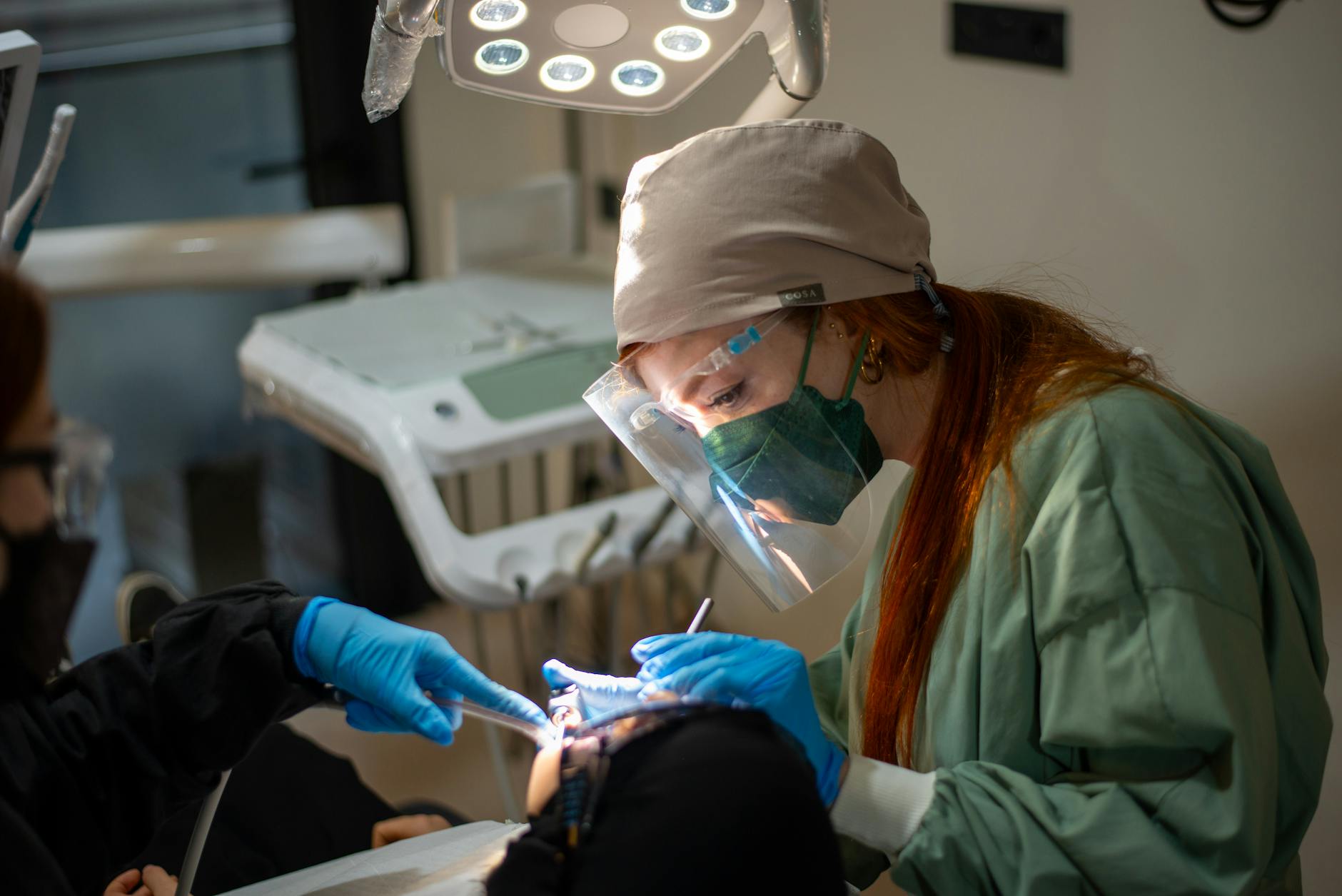
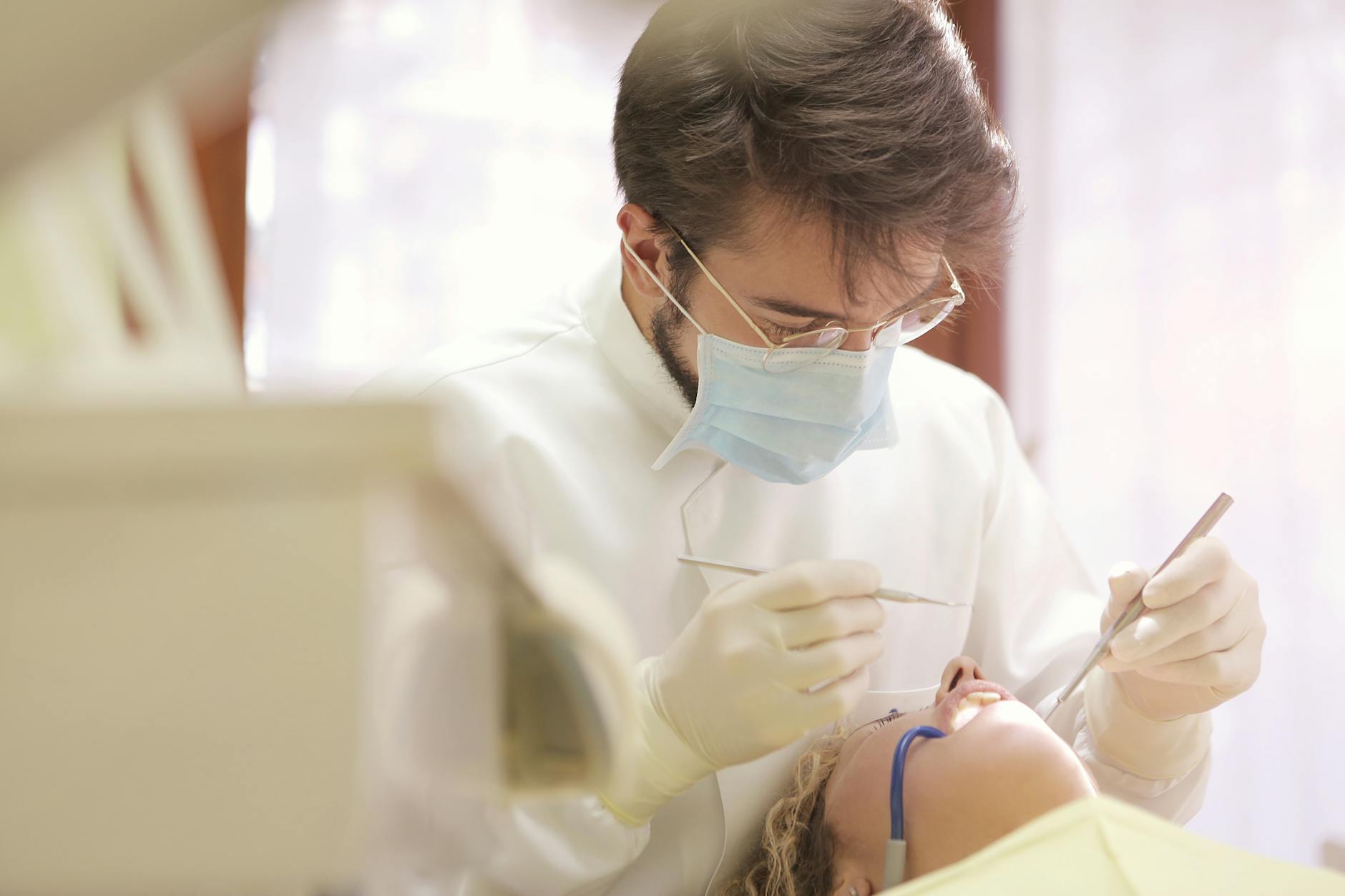
Understanding a Broken Tooth
Understanding a broken tooth starts with knowing what “broken” can mean: a chip, crack, split, or a piece that has come off the biting surface or edge. Even small breaks can expose the inner layers of the tooth, making it sensitive to temperature, sweets, or pressure. You might feel a sharp edge against your tongue, have pain when chewing, or notice no pain at all. Because a break can leave the tooth vulnerable to bacteria and further damage, prompt evaluation is important.
If you’re in Glendale, AZ, use simple, safe steps to protect the area until you can be seen during business hours. Even if it doesn’t hurt much, a broken surface can collect plaque and stress the tooth with normal chewing, so timely care matters. Rinse gently with lukewarm water to clear debris; if there’s bleeding, apply light pressure with clean gauze until it slows. Avoid chewing on that side and skip very hot, cold, or hard foods. If you find a broken piece, place it in a clean container and bring it; do not try to glue anything to the tooth. Cover any sharp edge with dental wax or a small piece of clean, moist cotton, and apply a cold compress to the cheek for comfort. Keep the area clean with careful brushing and a mild warm saltwater rinse after meals. These measures are only a temporary fix for broken tooth problems; the tooth should be checked so options can be discussed with you, such as emergency tooth repair. During an office visit, the dentist will examine the tooth, take any necessary images, and outline a plan to relieve discomfort and protect the tooth. Call our Glendale office between 9:00am – 5:00pm, Mon – Thurs, and 9:00am – 2:00pm Fri for guidance and scheduling; call now if pain is worsening, a fragment feels loose, or you notice facial swelling.
Common Causes of Tooth Damage
Tooth damage usually results from sudden impact or cumulative stress on weakened enamel. Biting hard foods or objects, sports accidents or falls, and cavities that undermine the tooth’s structure are frequent culprits. Grinding or clenching, large older fillings, and rapid hot-to-cold temperature changes can create hairline cracks that later fracture. While a temporary fix for broken tooth can smooth a sharp edge for the short term, the underlying cause still needs an in-person exam.
Decay is a common hidden cause: as bacteria soften the tooth from the inside, a normal chew can make a piece break off. Nighttime clenching and grinding fatigue enamel day after day; if you wake with jaw soreness or flattened teeth, mention it at your visit. Teeth with big, aging fillings or past trauma flex more and are prone to split under everyday forces. Using your teeth to open packages, biting fingernails, or chewing ice also raises the risk, as do abrupt temperature swings (for example, ice water right after hot coffee). Some medicines and dry-mouth conditions reduce protective saliva, accelerating wear and decay. If a piece breaks, gently rinse with lukewarm water, avoid chewing on that side, and if needed, cover a sharp edge with dental wax or sugar-free gum until we examine you for emergency tooth repair; bring any saved fragments in a clean container or milk, and use over-the-counter pain relievers as directed if appropriate for you (do not place aspirin on the gums). We’re available to assess the cause and explain options during business hours at our Glendale office: 9:00am – 5:00pm, Mon – Thurs, and 9:00am – 2:00pm Fri. When to call now: contact us during these hours if you have a new chip or crack, sharp edges cutting your mouth, swelling, or pain that interferes with chewing or sleep.
Signs You Have a Broken Tooth
A broken tooth isn’t always obvious at first glance. You might notice a new sharp edge, tenderness when biting, or a sudden sensitivity to temperature or sweets; sometimes a small piece chips off or a hairline crack catches your tongue. Because similar symptoms can come from other dental issues, the best next step is to have a dentist examine the area during normal business hours. If you’re unsure whether it’s a chip, fracture, or just irritation, treat it gently and plan a same‑day or next‑day visit.
Common clues include pain when releasing your bite, intermittent ache that flares with cold, a rough edge that irritates your cheek or tongue, a dark line or a change in how the tooth reflects light, swelling or bleeding limited to one tooth, or food trapping in a new notch. Air sensitivity when breathing in through your mouth can also be a sign. Until you’re seen, gently rinse with lukewarm water, avoid chewing on that side, keep any broken fragment in a clean container, and if a sharp corner is rubbing, place a small piece of dental wax or sugar‑free gum over it—do not glue anything to your tooth. Over‑the‑counter pain relief can be used as directed if you’re medically able; avoid putting aspirin on the tooth or gums. Also skip very hot or icy drinks and avoid sticky foods that could pull more enamel off. Our Glendale team can evaluate the area and, when appropriate, provide emergency tooth repair during regular hours (9:00am – 5:00pm Mon – Thu, 9:00am – 2:00pm Fri). If you’ve been looking for a temporary fix for broken tooth, these steps are only to protect the area briefly—the goal is a prompt in‑person exam to help prevent the problem from worsening. Call now if pain is severe, your face is swelling, or bleeding doesn’t stop with gentle pressure.
Temporary Fix for Broken Tooth
The best temporary fix for broken tooth issues is to protect the area and ease discomfort until a dentist can examine it. During our business hours (9:00am–5:00pm Mon–Thurs, 9:00am–2:00pm Fri), call our Glendale office so we can arrange prompt care and help prevent further damage; if appropriate, we’ll review options for emergency tooth repair. Avoid chewing on the damaged tooth, keep any pieces you find, and use the safe steps below to keep the area clean and covered until you’re seen.
- Rinse gently with lukewarm water to clear debris. If you find a fragment, store it in milk or saline (or wrap it in clean, moistened gauze) and bring it to your visit.
- If there’s minor bleeding, apply light pressure with clean gauze for 10–15 minutes. Do not place aspirin on the tooth or gums.
- Cover sharp edges with dental wax or a small piece of sugar‑free gum to protect your tongue and cheek. Do not use glue or attempt to file the tooth.
- Manage soreness with an over‑the‑counter pain reliever you normally take, following the label. A cold compress on the cheek in 10‑minute intervals can help with swelling.
- Keep the area clean: brush softly around the tooth and gently floss to remove trapped food. Avoid probing the break with fingers or tools.
- Choose soft foods and chew on the opposite side. Avoid very hot or cold drinks if sensitivity lingers, and skip hard, sticky, or crunchy items that could widen the crack.
When to Call a Dentist
Call a dentist as soon as a tooth chips, cracks, or breaks—even if it doesn’t hurt—because damage can spread and the tooth can become sensitive or infected. While any temporary fix for broken tooth issues (like covering a sharp edge) is only a short-term bandage, you still need an exam and a plan to protect the tooth and your bite. Even small chips can leave the tooth more vulnerable to temperature changes and bacteria. If you’re in Glendale, we’re available 9:00am–5:00pm Monday–Thursday and 9:00am–2:00pm Friday; call during those hours so we can guide you and arrange care. Reach out promptly if you notice ongoing pain, sensitivity that lingers to hot or cold, a fragment that’s mobile, bleeding that doesn’t stop with gentle pressure, or swelling of the gum or face—these are signs the tooth needs attention.
Until we see you, keep the area clean by gently rinsing with lukewarm water; if you have the broken piece, place it in a clean container with milk or saline and bring it with you. If a sharp edge is rubbing your cheek or tongue, place dental wax or a small piece of sugarless gum over the area; avoid chewing on that side and skip very hot, very cold, or hard foods. Use a cold compress on the cheek in 10-minute intervals to limit swelling, and take over-the-counter pain relievers as directed on the label; do not put aspirin on the tooth or gums. If you have OTC temporary dental cement, you may use it as directed to cover a small lost filling or protect a shallow chip; avoid placing anything deep into a crack or under the gum. During your visit, we’ll evaluate the tooth and discuss options such as emergency tooth repair based on the size and location of the break. When to call now: If you have significant pain, sharp edges cutting your mouth, bleeding that isn’t stopping, or any swelling, call during our business hours today.
Home Care Before Your Appointment
Simple home steps can protect your tooth and ease irritation until we examine it. These tips are not treatment, but they can help prevent further chipping and reduce sensitivity. For a temporary fix for broken tooth discomfort, follow the guidance below and plan to come in during our business hours.
- Rinse your mouth gently with lukewarm water to clear away debris. If you find any tooth fragments, place them in milk or your own saliva to bring to your visit.
- If there’s light bleeding, hold gentle, steady pressure with clean gauze or a soft cloth for up to 10 minutes. Avoid lifting the gauze repeatedly to check; give it time to clot.
- Cover sharp edges so they don’t cut your tongue or cheek. Use dental wax or sugar-free gum as a temporary cushion; over‑the‑counter temporary dental cement can also help cover a small chip—follow the package directions, don’t push material under the gum, and never use household glues.
- Ease soreness with a cold compress on the cheek in short intervals (about 10 minutes on, 10 minutes off). You may take over‑the‑counter pain relievers as directed if they are appropriate for you; do not place pain medication directly on the tooth or gums.
- Keep the area clean: brush gently with a soft brush and floss carefully to remove trapped food around the broken area. A warm saltwater rinse can help keep the site clean and comfortable.
- Eat and drink thoughtfully: choose soft foods, chew on the opposite side, and avoid very hot or cold temperatures, as well as hard, sticky, or acidic items; skip alcohol if you’ve placed temporary cement.
Broken teeth can worsen if left unprotected, so timely in‑person care matters. Call our Glendale office during business hours (9:00am–5:00pm Mon–Thu, 9:00am–2:00pm Fri) so we can examine the tooth and discuss options such as emergency tooth repair. When to call now: severe or worsening pain, facial or jaw swelling, fever, a tooth that feels loose after injury, or bleeding that doesn’t slow with gentle pressure.
What to Expect at Your Visit
When you come in with a chipped or broken tooth, our Glendale team focuses first on comfort, protecting the area, and planning the next steps. You’ll receive a gentle exam and, if needed, an X-ray to see how deep the damage goes and check the surrounding teeth and gums. We’ll smooth any sharp edges and place a short-term protective covering if appropriate—often the first step in emergency tooth repair. If you tried a temporary fix for broken tooth at home, bring any saved pieces; we’ll assess whether they can help.
- Check-in and a brief discussion about what happened, your symptoms, and any medications or allergies.
- Targeted exam and X-rays as indicated to evaluate cracks, nerve involvement, and the bite.
- Immediate comfort measures, which may include numbing the area so we can work without causing discomfort.
- Stabilization of the tooth: smoothing sharp edges and placing a protective, temporary material if suitable.
- Clear guidance on next steps and timing for definitive care, tailored to the size and location of the break.
Before your appointment, rinse gently with lukewarm water, avoid chewing on the injured side, and cover any sharp edge with orthodontic wax if you have it; a cold compress on the cheek can help reduce soreness. Do not use glue or place aspirin on the tooth. We see urgent visits during business hours: 9:00am–5:00pm Monday–Thursday, and 9:00am–2:00pm Friday; calling ahead helps us reserve time for you and provide instructions. When to call now: reach out during office hours if pain is severe, a sharp edge is cutting your cheek or tongue, there is swelling, or you notice bleeding that isn’t slowing.
Options for Temporary Repair
Temporary repair options can help protect a chipped or broken tooth, reduce irritation from sharp edges, and keep the area cleaner until a dentist evaluates it. These measures are short-term and not a substitute for professional treatment, but they can make you more comfortable and help prevent additional damage. If you’re in Glendale, we can examine the tooth and discuss definitive options during business hours (9:00am–5:00pm Mon–Thu, 9:00am–2:00pm Fri), including emergency tooth repair. If you need a temporary fix for broken tooth issues at home, use the guidance below to protect the area until we can see you.
Start by gently rinsing with lukewarm water to clear debris; if there’s minor bleeding, apply light pressure with clean gauze for several minutes. Save any visible tooth fragment in a clean container with milk or saline—don’t scrub it—and bring it to your visit. To shield a jagged edge from your tongue or cheek, cover it with clean dental wax or soft, sugarless gum; if you have an over-the-counter temporary dental material, a thin layer can act as a short-term barrier—never use household glues and don’t force material into the tooth. Avoid chewing on the injured side and skip very hot, cold, hard, or sticky foods; a cold compress on the cheek in short intervals can help with soreness. Keep the area tidy with gentle, warm saltwater rinses after meals (avoid vigorous swishing), and never place pain medication directly on the gum. These steps are for comfort and protection only—please contact our office during business hours so we can evaluate the fracture and advise next steps; call now if pain is severe, a large portion of tooth is missing, or sharp edges are cutting your mouth.
Using Dental Cement Safely
Dental cement can help cover a sharp edge or protect a sensitive spot for a short time until a dentist examines the tooth. Used correctly, it may make chewing and speaking a bit more comfortable, but it is not a fix and can wash out quickly. Over‑the‑counter dental cement can be a temporary fix for broken tooth until you can be seen, and you should plan an exam during business hours so the tooth can be properly treated.
- Gently rinse your mouth with lukewarm water to clear debris; avoid scrubbing the broken area.
- Dry the tooth or crown as much as possible with clean gauze or a cotton swab; moisture reduces how well temporary material holds.
- For a chip or lost filling, place a very small amount of dental cement over the exposed area only; do not pack it deep into a crack or under the gums.
- If a crown has come off and seats fully without resistance, you may place a thin layer of cement inside and press it on with light finger pressure; do not force it or bite down to seat it.
- Let it set per the package directions, then avoid chewing on that side and choose soft, cooler foods until you’re seen.
- Do not use household glues, and avoid dental cement if there is ongoing bleeding, significant swelling, or severe pain.
Temporary cement is a short-lived patch; saliva, chewing, and temperature changes can dislodge it, and the underlying tooth may still need bonding, a new filling or crown, or other care. During office hours (9:00am–5:00pm Mon–Thurs, 9:00am–2:00pm Fri), call our Glendale team so we can assess the break and discuss options like emergency tooth repair. Avoid delaying, because small cracks and chips can worsen with normal biting. When to call now: reach out if pain is moderate to severe, a crown or large filling has come off, or the break is sharp and cutting your mouth so we can guide you and arrange a prompt visit.
Managing Pain and Discomfort
Managing pain and discomfort from a broken tooth means protecting the area, calming irritated tissues, and avoiding pressure until a dentist examines it. Simple, safe steps at home can lessen throbbing and sensitivity without risking further damage. Think of them as a temporary fix for broken tooth discomfort, not a replacement for care. Because fractures can expose sensitive inner layers, the goal is to shield the tooth and calm nearby gums until we can examine you.
Start by gently rinsing with lukewarm saltwater to clear debris; avoid alcohol-based rinses on exposed dentin. Apply a cold compress on the cheek in short intervals to ease soreness and limit swelling. Use over-the-counter pain relievers as directed on the label (never place medication directly on the tooth or gums). If the tooth is bleeding slightly, place a clean piece of gauze with light pressure until it stops. To soften a sharp edge, cover it with dental wax or a small piece of sugar-free gum until we can smooth or seal it, and avoid any household glues. Choose soft foods, chew on the opposite side, and steer clear of very hot, cold, or sweet items that can trigger sensitivity; keep the area clean with gentle brushing and flossing. Try not to probe the area with your tongue or fingers, and sip room‑temperature water to minimize temperature jolts; if a fragment broke off, keep it clean and bring it to your visit. If pain remains significant and you need more guidance, see our emergency tooth pain relief resources, and plan an in‑person exam. Our Glendale team schedules urgent visits during 9:00am – 5:00pm Monday–Thursday and 9:00am – 2:00pm Friday to assess and stabilize the tooth. Call now during business hours if pain is worsening, a sharp edge is cutting your cheek or tongue, or you notice any facial swelling.
Maintaining Oral Hygiene
Maintaining oral hygiene when you’ve chipped or broken a tooth means keeping the area clean while avoiding anything that could irritate exposed dentin or soft tissue. As a temporary fix for broken tooth issues, gentle cleaning and smart food choices help reduce bacteria and protect the spot until we can examine you. Our Glendale team encourages you to come in during business hours (9:00am – 5:00pm Mon – Thurs, 9:00am – 2:00pm Fri) so we can assess the damage and guide next steps.
Start by rinsing with warm saltwater after meals to loosen debris without harsh swishing, then let the rinse flow out rather than spitting forcefully. Brush twice daily with a soft-bristled brush using short, light strokes; clean the surrounding teeth well and gently pass over the injured area without scrubbing. Floss once a day to remove trapped food, sliding the floss in and out carefully instead of snapping it down against the gums. If a sharp edge is rubbing your cheek or tongue, place a small piece of orthodontic wax or sugarless gum over it to reduce irritation so you can keep the area clean. Skip alcohol or peroxide rinses that can dry or sting; if you like to use a mouthrinse, choose an alcohol-free, neutral option and swish lightly. Favor softer, lukewarm foods and chew on the opposite side; avoid seeds, nuts, chips, and very hot or cold drinks that can trigger sensitivity. Do not use glue on a loose piece; keep any fragment clean and bring it to your visit, and if a temporary cover or crown slips off, you may gently re-seat it with over-the-counter temporary dental cement until we see you. For structural concerns like a jagged or fractured edge, we can discuss options such as emergency tooth repair once you’re in the chair. When to call now: if pain builds, swelling appears, you notice a bad taste or fever, or bleeding doesn’t slow with gentle pressure, please call during our business hours for guidance and a prompt evaluation.
Avoiding Foods That Can Hurt
After a tooth breaks, the foods you choose can make it feel worse or undo a temporary measure. To protect the area, avoid hard, crunchy, sticky, and very hot or very cold items that can crack the tooth further, pull on it, or irritate the exposed dentin. Stick with soft, lukewarm foods and chew on the opposite side until you’re seen.
Lean on gentle options like scrambled eggs, yogurt, mashed potatoes, oatmeal, steamed vegetables, and soups cooled to warm—nothing piping hot or ice-cold. Steer clear of hard items (nuts, popcorn kernels, ice, hard candies, thick pizza crusts), sticky or chewy foods (caramels, taffy, gummy snacks, dried fruit), and sharp or seedy choices (chips with hard edges, sesame or chia seeds) that can wedge under the break. Very hot coffee/tea and ice-cold drinks can trigger zingers; take beverages warm, not extreme. Acidic foods and drinks (sodas, citrus, vinegar-heavy dressings) may sting and soften enamel around the fracture, so limit them until the tooth is treated. If you’re using a temporary fix for broken tooth relief, avoid sticky or chewy foods that can pull it out, and try not to bite directly on that area. Cutting food into small bites and eating slowly helps reduce pressure waves through the tooth; if anything feels sharp or gritty, stop and rinse gently with warm salt water to clear trapped debris. Plan an in-person evaluation promptly—our Glendale office is open 9:00am – 5:00pm Mon–Thurs and 9:00am – 2:00pm Fri—and we can discuss comfortable options for emergency tooth repair during those hours. When to call now: If chewing triggers sharp pain, a rough edge cuts your cheek or tongue, or a temporary material comes off, call our office during business hours for guidance.
Frequently Asked Questions
Here are quick answers to common questions people have about Temporary Fix for Broken Tooth in Glendale, AZ.
- How can I temporarily fix a broken tooth at home until I see a dentist?
To temporarily manage a broken tooth, rinse your mouth gently with lukewarm water to clear debris. Use clean dental wax or sugar-free gum to cover any sharp edges. Avoid chewing on the affected side and choose soft foods. A cold compress on your cheek can help with swelling, and over-the-counter pain relievers may ease discomfort. These steps only protect the tooth briefly, so plan to see a dentist during our business hours.
- Should I attempt to glue a broken tooth back together?
No, you should not use glue or any household adhesive on a broken tooth. Instead, gently rinse your mouth, cover any sharp edges with dental wax or sugar-free gum, and save any detached pieces in milk or saliva to bring to your dental visit. Our Glendale office can guide you further during business hours to ensure proper treatment.
- What foods should I avoid with a broken tooth?
Avoid hard, sticky, or very hot and cold foods that could further damage a broken tooth, like nuts, ice, caramels, and steaming drinks. Opt for soft, lukewarm foods like oatmeal or mashed potatoes, and chew on the opposite side until a dentist evaluates your tooth.
- How can I relieve pain from a broken tooth before my dental appointment?
To manage pain, use over-the-counter pain relievers as directed, and apply a cold compress to your cheek in short intervals. Rinsing with lukewarm saltwater can also help cleanse the area. Avoid putting aspirin or other medications directly on the tooth or gums.
- What should I do if a piece of my tooth breaks off?
If part of your tooth breaks off, rinse your mouth with lukewarm water and keep the fragment in a clean container with milk or saline. Avoid chewing on the damaged side and cover any jagged edges with dental wax or sugar-free gum. Contact our Glendale office during business hours for an evaluation.
- When should I call a dentist for a broken tooth?
Call a dentist if your broken tooth causes severe pain, swelling, or bleeding that doesn’t stop with gentle pressure. Even without symptoms, schedule an exam promptly to prevent further damage. Our Glendale office is open for urgent visits during business hours.
- Can I eat with a broken tooth?
Yes, you can eat with a broken tooth, but choose soft foods and chew on the opposite side to avoid irritating the damaged area. Avoid hard, sticky, or extreme temperature foods and drinks to prevent further issues until you visit a dentist.
- What are common signs that a tooth might be broken?
Signs of a broken tooth include a sharp edge, increased sensitivity to temperature or sweets, tenderness when biting, or a noticeable crack. If you suspect a break, avoid chewing on that side and schedule a dental appointment for a proper evaluation.
Medical sources (PubMed)
- Carrasco-Labra A, et al. JADA. 2024. “Evidence-based clinical practice guideline for the pharmacologic management of acute dental pain in adolescents, adults, and older adults: A report from the American Dental Association Science and Research Institute, the University of Pittsburgh, and the University of Pennsylvania.”. PMID: 38325969 / DOI: 10.1016/j.adaj.2023.10.009
- Carrasco-Labra A, et al. JADA. 2023. “Evidence-based clinical practice guideline for the pharmacologic management of acute dental pain in children: A report from the American Dental Association Science and Research Institute, the University of Pittsburgh School of Dental Medicine, and the Center for Integrative Global Oral Health at the University of Pennsylvania.”. PMID: 37634915 / DOI: 10.1016/j.adaj.2023.06.014
- Renton T Headache. 2020. “Tooth-Related Pain or Not?”. PMID: 31675112 / DOI: 10.1111/head.13689
- Mohn A, et al. Eur J Paediatr Dent. 2025. “Dental pain in children: pharmacological management.”. PMID: 40207859 / DOI: 10.23804/ejpd.2025.2190
- Mathis J, et al. J Vet Dent. 2025. “Oral and Dental Pain Management.”. PMID: 39311042 / DOI: 10.1177/08987564241279550
- Cope AL, et al. Cochrane Database Syst Rev. 2024. “Systemic antibiotics for symptomatic apical periodontitis and acute apical abscess in adults.”. PMID: 38712714 / DOI: 10.1002/14651858.CD010136.pub4