Understanding Walk-In Emergency Services
Walk-in emergency services let you come straight in without an appointment when a dental problem can’t wait. At our Glendale office, you can arrive during business hours (9:00am – 5:00pm, Mon – Thurs, and 9:00am – 2:00pm Fri), check in, and be triaged so the most urgent needs are seen first. A walk in emergency dentist visit focuses on fast assessment and stabilizing the situation—reducing pain, protecting the tooth, and addressing infection risk when appropriate—then planning the next steps. Wait times vary with the day’s urgencies; bringing a photo ID, any dental insurance card, and a list of medications helps us move quickly, and a quick call before you head over can help our team prepare.
Here’s what to expect: after a brief intake, a dentist evaluates the area and may take focused X‑rays to see what’s happening under the surface. The immediate goal is to keep you comfortable and protect your health—this could include numbing the area, smoothing a sharp edge, placing a protective temporary material, or discussing medication that’s appropriate for you. You’ll get clear guidance on options such as definitive repair, emergency tooth pain relief, or scheduling follow-up care. Until you’re seen, you can gently rinse with lukewarm water (a small pinch of salt is fine), apply a cold compress to the cheek in short intervals, keep the area clean, avoid chewing on the sore side, and avoid placing aspirin on the gums or tooth; if a piece breaks off, bring the fragment in a clean container or milk. We’re here during posted hours to help you get out of crisis and map a plan you feel good about; if your pain is severe, you notice facial swelling, fever, or bleeding that doesn’t stop with gentle pressure, call now.
When to Call a Dentist
Call a dentist as soon as you notice serious tooth pain, a broken or loose tooth, swelling, or bleeding that concerns you—these problems are easier to address when handled promptly. During our business hours (9:00am – 5:00pm, Mon – Thurs, and 9:00am – 2:00pm Fri), we can triage your symptoms by phone and let you know the soonest available visit. If you’re unsure whether it’s urgent, err on the side of calling a walk in emergency dentist in Glendale so your situation can be reviewed quickly. Dental issues rarely improve on their own, and timely care helps limit complications and discomfort.
Same-day calls are especially important for pain that wakes you or lingers after hot or cold, facial or gum swelling, a cracked or chipped tooth with sharp edges or new pain, a tooth that was knocked out or suddenly feels loose, bleeding that doesn’t slow with gentle pressure, or a lost filling or crown that is sensitive. Until you’re seen, keep things simple and safe: rinse gently with lukewarm water, avoid very hot or cold foods and drinks, place a cold compress on the cheek in short intervals for swelling, and avoid chewing on the affected side. If a tooth is knocked out, handle it by the crown (top), do not scrub it, and keep it moist in milk or your own saliva; bring any pieces with you. If a sharp edge is irritating your cheek or tongue, you can cover it with clean dental wax or a small piece of sugar-free gum. For comfort tips between check-in and your visit, see our emergency tooth pain relief resource. When to call now: if you have severe pain, spreading swelling, or dental trauma, call during business hours today so we can guide your next steps and offer the next available appointment.
What to Expect at Your Visit
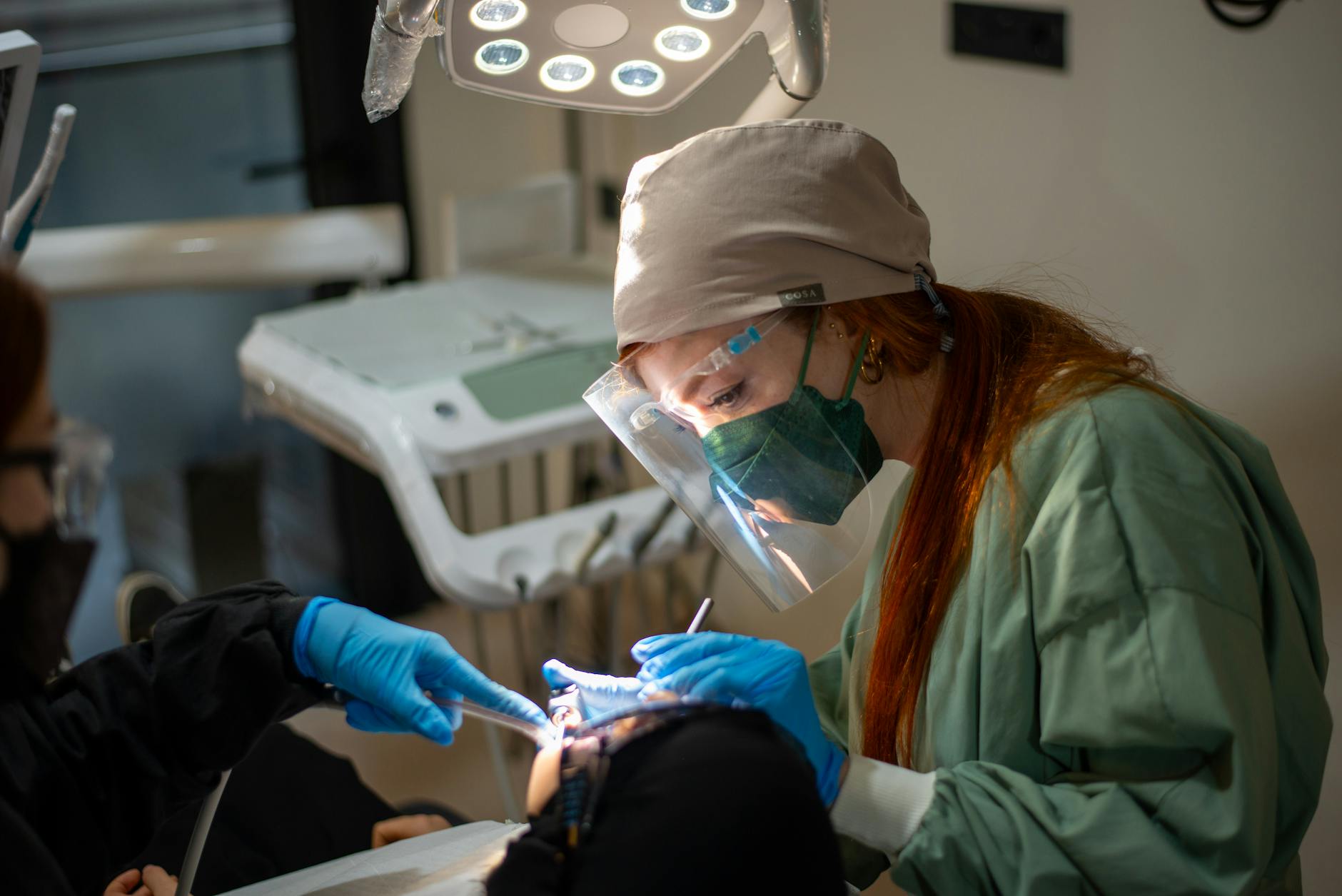
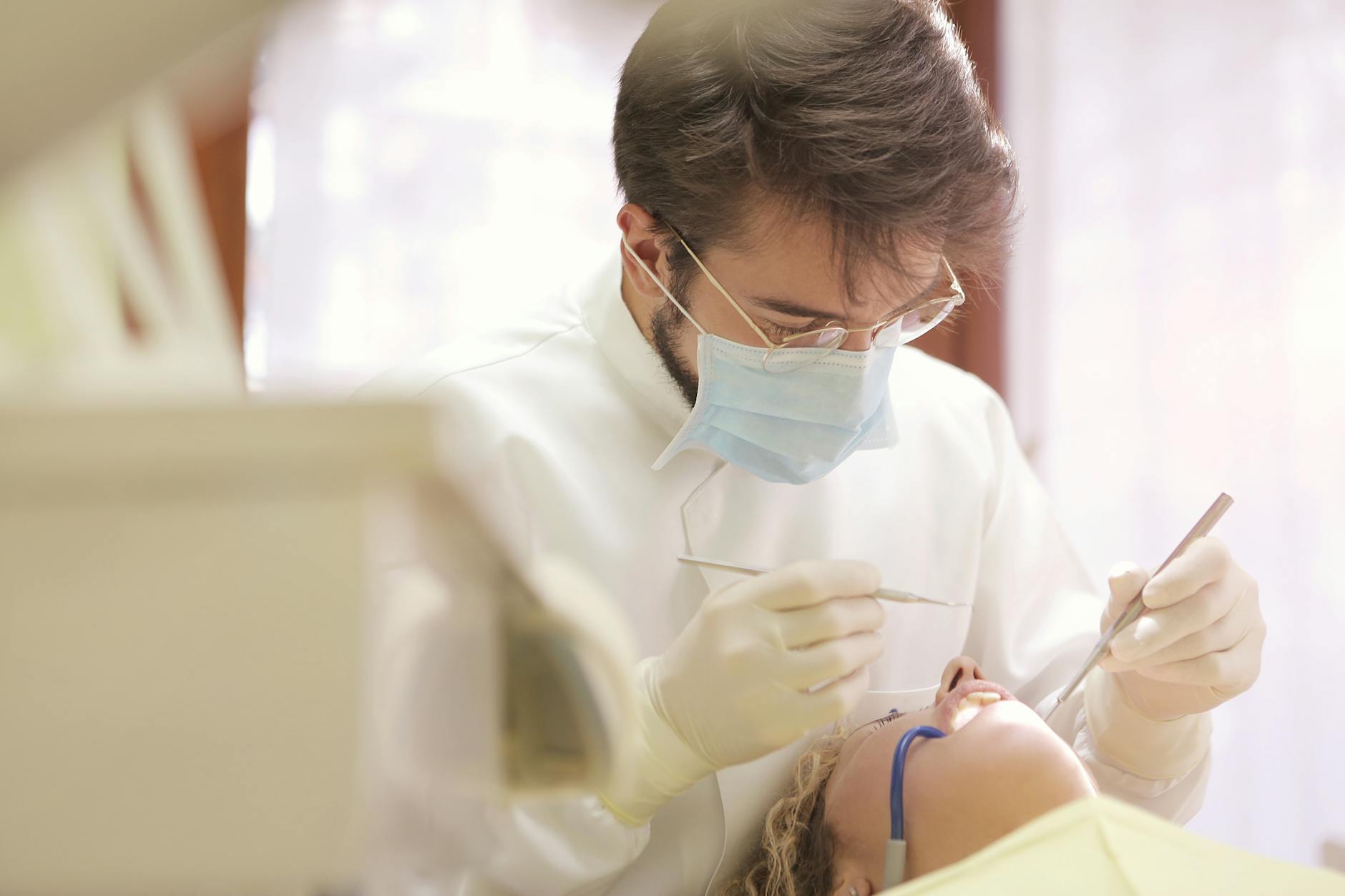
When you arrive at our Glendale office during business hours (9:00am–5:00pm Mon–Thu, 9:00am–2:00pm Fri), our team will check you in and record your main concern; a walk in emergency dentist visit focuses on getting you comfortable and identifying the cause quickly. You’ll be seen as soon as possible based on urgency, then we’ll review a brief health history and take any necessary X‑rays. The dentist will perform a focused exam, explain what’s happening in plain language, and outline immediate next steps. Our goal is to relieve pain safely, protect the tooth, and set up a clear plan for follow‑up care if needed. We’ll review your questions and get your consent before any treatment begins.
Most urgent care is aimed at stabilizing the problem the same day. Depending on what we find, we may smooth a sharp edge, place a protective dressing or temporary filling, re‑cement a crown, or open the tooth to relieve pressure; if a tooth is not repairable, we’ll discuss next steps and timing. If symptoms point to nerve involvement, we’ll explain options such as root canal therapy or extraction and help you decide what to do next. For toothaches that keep you up at night, see our page on emergency tooth pain relief for what comfort care in the office may involve. If a same‑day solution isn’t advisable, we’ll protect the area and schedule the definitive visit as soon as possible. Before you arrive, you can gently rinse with lukewarm water, apply a cold compress to the cheek in short intervals, avoid chewing on the sore side, and keep any broken pieces moist in milk or saliva; you may use an over‑the‑counter pain reliever as directed if it’s safe for you, but do not place aspirin on the gum. Bring a list of medications and allergies to speed your visit. Because pain and swelling can change quickly, it’s best to come in promptly during the hours above rather than waiting. Call now if you have facial swelling, fever, trauma, or bleeding that won’t stop.
Types of Dental Emergencies
Not every dental issue can wait. Dental emergencies include severe pain, broken or knocked‑out teeth, swelling, bleeding, or anything that threatens a tooth or your overall oral health. If you’re unsure whether to see a walk in emergency dentist, the examples below can help you decide—please call ahead if you can, and we prioritize urgent visits during 9:00am–5:00pm Mon–Thu and 9:00am–2:00pm Fri.
- Severe toothache or temperature‑lingering pain: This may signal irritation or infection. Keep the area clean, try a cold compress on the cheek, and do not place aspirin on the gums; see our emergency tooth pain relief overview for what to expect next.
- Cracked, chipped, or broken tooth: Rinse gently, save any pieces, and cover sharp edges with dental wax or sugar‑free gum to protect your tongue or cheek. Avoid biting on that side until we examine it.
- Knocked‑out tooth (adult): Handle the tooth by the crown (top), not the root. If possible, keep it moist in milk or your own saliva and bring it in promptly during office hours.
- Swelling, abscess, or facial puffiness: These can spread and should be evaluated soon. Keep your head elevated, use a cold compress on the outside of your face, and avoid heat on the area.
- Lost filling or loose/broken crown: Keep the crown if it came off and bring it with you. You may place a small piece of dental wax over a sharp or sensitive spot and avoid sticky or hard foods.
- Soft‑tissue injury or something stuck between teeth: For cuts, apply gentle pressure with clean gauze to control bleeding. If something is wedged, try flossing carefully—do not use sharp tools.
How to Prepare for Your Visit
Preparing for an urgent dental visit is straightforward. If you’re able, call before you head over so our team can get a room ready and offer quick guidance, but walk-ins are welcome during business hours. Bring a photo ID, your dental insurance card (if you have one), and a short list of medications and allergies. As a local walk in emergency dentist in Glendale, we triage by urgency during 9:00am–5:00pm Mon–Thurs and 9:00am–2:00pm Fri.
On your way, keep the area clean and avoid anything that could worsen symptoms. Rinse gently with lukewarm water, use a cold compress on the cheek for swelling, and apply light pressure with clean gauze for minor bleeding. If you chipped or knocked out a tooth, bring any pieces in milk or saline; handle a tooth by the crown only and keep it moist—do not scrub it. If a crown or filling came loose, place it in a clean container and bring it with you; do not use glue. Avoid chewing on the sore side, very hot or cold drinks, alcohol, or smoking. You may take an over‑the‑counter pain reliever you normally use, as directed by the label, unless a physician has told you otherwise; for additional comfort tips before you arrive, see our emergency tooth pain relief page. Aim to arrive as soon as possible within our business hours so we can examine the area, take any needed X‑rays, and discuss next steps that fit your situation. When to call now: severe or worsening pain, facial swelling, fever, trauma, uncontrolled bleeding, or a tooth that has been knocked out.
What to Bring to Your Appointment
Bringing the right information and items helps us evaluate you quickly and safely. Please bring a government-issued photo ID, your dental or medical insurance card (if you have one), and a current list of medications, allergies, and medical conditions. If you have recent dental x‑rays or notes from another provider, you can bring paper copies or have them emailed to our office ahead of time. Even if you’re seeing a walk in emergency dentist for the first time, also bring any dental appliance you wear (night guard, retainer, denture) and any tooth, crown, or filling pieces you’ve saved in a clean container—these details help us plan urgent care as soon as you arrive during our business hours in Glendale.
Details about your symptoms are just as important: where it hurts, what makes it better or worse, when it started, and anything you’ve taken for comfort (include the name, dose, and time). Photos of swelling or a chipped tooth taken earlier today can be useful. If a tooth, crown, or veneer came loose, place it in a clean container and bring it; try to keep tooth fragments moist if possible. Let us know about conditions like pregnancy, a heart valve, or blood thinners so we can plan appropriately. If you wear braces or a clear aligner, bring your case and any loose brackets or wires. A payment method and the name of your preferred pharmacy help us coordinate care before you leave. Our team is here Monday–Thursday 9:00am–5:00pm and Friday 9:00am–2:00pm; call if you’re unsure what to bring so we can guide you and be ready. When to call now: sudden severe pain, facial swelling, heavy bleeding, or a knocked‑out tooth should prompt a call during business hours so we can prepare for your arrival.
Cost of Walk-In Emergency Dentistry
The cost of walk-in emergency dentistry varies based on what’s causing the problem, the exam and X‑rays needed to diagnose it, and whether you choose immediate stabilization or definitive treatment. We explain findings and review options with straightforward estimates before you decide how to proceed. As a walk in emergency dentist, our priority is to relieve pain safely and outline choices that fit your needs without surprises. Coming in during our business hours (9:00am–5:00pm Mon–Thu, 9:00am–2:00pm Fri) may help limit the scope—and potential cost—of care.
Fees are influenced by the type of urgent care you need, such as smoothing a sharp edge, placing a temporary covering, re-cementing a loose crown, or performing a definitive procedure like a filling, emergency root canal treatment in Glendale, or an extraction; we’ll discuss the pros and cons of each path so you can choose what makes sense today. Tooth location, complexity, and any necessary imaging can affect chair time, which also impacts the estimate. If you have dental insurance, we can verify benefits and provide an estimated copay; if you don’t, we’ll still review options clearly and help you plan next steps. Please bring a photo ID, your insurance card (if applicable), and a list of medications so we can keep you safe and efficient at check‑in. While you’re on your way, you can rinse gently with lukewarm saltwater, use a cold compress on the cheek to reduce swelling, avoid chewing on the sore side, and take over‑the‑counter pain relievers as directed (do not place aspirin on the gums). We’re here to see you promptly during business hours, explain your choices in plain language, and proceed only with your consent; When to call now: if you’re in pain, have swelling, or a broken tooth, call during 9:00am–5:00pm Mon–Thu or 9:00am–2:00pm Fri so we can guide you and reserve a chair.
Insurance and Payment Options
We accept many dental insurance plans and straightforward payment options so you can be seen quickly during business hours. At check-in, our team verifies benefits and reviews an estimate of your portion before any treatment starts. If you don’t have insurance, we offer clear pay-at-visit choices and can prioritize the most essential steps first to help with comfort. Our Glendale office welcomes walk-ins 9:00am – 5:00pm, Mon – Thurs, and 9:00am – 2:00pm Fri; a brief call ahead helps us prepare.
Bring a photo ID, your dental insurance card, and a payment method (credit/debit, HSA/FSA, or cash) to streamline your visit. We work with many PPO plans; if we’re out-of-network, we can often submit claims on your behalf and apply any available benefits toward today’s care. Your exact cost depends on your plan details, deductible, annual maximums, and the procedure you choose after the exam. Following an exam and any necessary X‑ray, we’ll discuss options—from smoothing a chip or placing a temporary restoration to emergency root canal treatment in Glendale or an extraction—and provide a written estimate so you can decide how to proceed today. If you’re searching for a walk in emergency dentist, know that our priority is to relieve pain safely and explain fees in plain language before we begin. For comfort until you arrive, you may gently rinse with lukewarm water, avoid chewing on the sore side, and use a cold compress on the outside of your cheek; take only over-the-counter pain relievers as directed and do not place aspirin on the tooth or gums. We encourage prompt in-person care during 9:00am – 5:00pm, Mon – Thurs, and 9:00am – 2:00pm Fri so problems don’t worsen. When to call now: call if you want help checking benefits, discussing payment options, or confirming today’s walk-in availability.
Home Care Before Your Appointment
Before your appointment, simple home care can protect your tooth and keep you more comfortable. Focus on keeping the area clean, controlling bleeding, and avoiding anything that worsens pain. These steps are temporary and do not replace an exam; plan to come in during our business hours (9:00am–5:00pm Mon–Thurs, 9:00am–2:00pm Fri). If you’re in Glendale and need a walk in emergency dentist, calling ahead helps us prepare for you.
- Toothache or sensitivity: Rinse gently with lukewarm saltwater. Apply a cold compress on the cheek for 10–20 minutes at a time. Use over‑the‑counter pain relievers as directed, but do not place aspirin on the tooth or gums; avoid very hot, cold, or hard foods.
- Swelling: Keep your head elevated and use cold compresses on the outside of your face. Do not apply heat or attempt to drain anything yourself.
- Broken or chipped tooth: Rinse away debris. Save any pieces in a clean container with milk or saliva. If a sharp edge is irritating, cover it with dental wax or sugar‑free gum, and avoid chewing on that side.
- Knocked‑out adult tooth: Handle it by the crown (top), not the root. If dirty, lightly rinse without scrubbing. Keep it moist in milk or your own saliva and bring it with you promptly during business hours; for a baby tooth, do not try to reinsert.
- Lost filling or crown: Keep the area clean. If the tooth is sensitive or sharp, place sugar‑free gum or dental wax over it; avoid sticky foods and do not use glue.
- Bleeding from lip, cheek, or tongue: Apply gentle, steady pressure with clean gauze or a damp cloth for up to 10 minutes, then keep the area clean.
These measures are only to tide you over until we examine you in person; prompt care usually makes visits easier and helps protect your tooth. For additional comfort tips, see our emergency tooth pain relief. We’re here Monday–Thursday 9:00am–5:00pm and Friday 9:00am–2:00pm; if it’s close to closing, call so we can advise on next steps. Call now if you have severe pain, facial swelling, a knocked‑out tooth, or bleeding that won’t stop.
Post-Treatment Care Instructions
After we treat your urgent dental issue, a few simple steps help keep the area clean, comfortable, and protected while you heal. Your walk in emergency dentist will give you case‑specific directions before you leave; use the guidelines below as general support during the first day or two, and follow our written instructions first if they differ. If anything feels worse instead of better, please contact us during business hours so we can check you in person.
- To control minor bleeding, bite gently on clean gauze or a damp tea bag for 20–30 minutes and replace as needed; call if bleeding is heavy or not slowing.
- To reduce swelling, place a cold compress on the cheek over the area for 10 minutes on and 10 minutes off for up to an hour today, and keep your head elevated when resting.
- For discomfort, use over‑the‑counter pain relievers as directed on the label unless your physician has advised otherwise; do not place aspirin directly on gums or teeth.
- Eating and drinking: choose soft, cool foods and chew on the opposite side; avoid hot, hard, or crunchy items and alcohol for 24 hours. After extractions, avoid straws, vigorous rinsing, and spitting for the first day.
- Oral hygiene: today, brush and floss other areas as usual; gently clean near the treated site. Starting after 24 hours, you may rinse lightly with warm saltwater 2–3 times daily unless we advised otherwise.
- Restorations or temporaries: avoid sticky foods and do not snap floss down into a temporary crown or filling; if something loosens or comes off, save it and call us.
Some sensitivity to temperature or pressure is common for 24–48 hours and should improve each day; you can also review our tips for emergency tooth pain relief if you need extra comfort. We’re available Monday–Thursday 9:00am–5:00pm and Friday 9:00am–2:00pm; if you’re unsure about a symptom or a restoration feels unstable, call during those hours so we can advise you and arrange an in‑office check as needed. When to call now: persistent bleeding, increasing swelling, fever, or pain that is not improving.
Common Dental Emergency Treatments
In a dental emergency, our first steps are to get you comfortable, assess the cause, and stabilize the tooth or area. Common treatments include smoothing sharp edges, bonding or rebuilding chipped teeth, re-cementing loose crowns, placing protective temporary fillings, treating infections, and planning definitive care as soon as it’s appropriate. You’ll get clear next steps before we proceed, and we’ll prioritize what can be done the same day during business hours.
For severe toothaches or temperature-sensitive pain, we may remove decay, place a medicated temporary, or recommend emergency root canal treatment in Glendale if the nerve is involved. Broken or chipped teeth are often repaired with tooth-colored bonding or a crown; bring any intact piece you can find and keep it clean and moist. A knocked-out tooth is time-sensitive—handle it gently by the crown (not the root), keep it moist in milk or in your cheek, and come in immediately; do not scrub the root. For lost fillings or loose crowns, avoid chewing on that side and bring the crown with you; temporary dental cement from a pharmacy can help hold a crown in place briefly, but it is not a substitute for care. Swelling or abscesses are evaluated for drainage and tooth-related causes; a gentle warm saltwater rinse can be soothing, and cold compresses on the cheek may help with facial swelling—avoid heat. Soft tissue injuries (lip, cheek, gum) are cleaned and assessed for suturing if needed; apply gentle pressure with clean gauze to reduce bleeding. If wisdom teeth are flaring up, we’ll evaluate for impaction, relieve irritation, and discuss next steps once inflammation is controlled. We accept patients during business hours: 9:00am – 5:00pm, Mon – Thurs, and 9:00am – 2:00pm Fri; our walk in emergency dentist will focus on same-day relief and a clear plan forward. When to call now: if pain is severe, swelling is spreading, you have fever, or a tooth was knocked out or fractured.
Finding a Walk-In Emergency Dentist Near You
If a tooth problem can’t wait, the quickest way to find a walk in emergency dentist near you in Glendale is to call a nearby emergency-focused office during business hours (9:00am–5:00pm Monday–Thursday, and 9:00am–2:00pm Friday). Ask whether they accept walk-ins today, the best arrival window, and what to bring so the team can prepare for your visit. Choose a location close to your home or work to reduce travel time, and confirm the address and parking. Even for walk-ins, a short phone call ahead helps the office triage your situation and minimize delays once you arrive.
Before you head in, keep the area clean by rinsing gently with lukewarm water, avoid chewing on the sore side, and apply a cold compress on the cheek for swelling. If a crown, filling, or tooth fragment comes loose, place it in a clean container (milk or saliva can help keep a tooth fragment moist) and bring it with you. You may use over‑the‑counter pain relievers as directed if you can take them safely, but do not place aspirin directly on the tooth or gums. Bring a photo ID, a list of medications and allergies, and any insurance information you plan to use. On arrival, expect brief paperwork, an exam and any needed x‑rays; the dentist will explain immediate next steps to stabilize your situation and outline follow‑up if needed. For comfort tips before your visit, see our emergency tooth pain relief. Call during business hours now if you have significant tooth pain, facial swelling, a broken or knocked‑out tooth, or dental trauma.
Frequently Asked Questions
Here are quick answers to common questions people have about Walk‑In Emergency Dentist: How It Works in Glendale, AZ.
- What should I expect when visiting a walk-in emergency dentist in Glendale?
When you visit a walk-in emergency dentist during business hours, you’ll be checked in and have your main concern recorded. Based on urgency, you’ll be seen as soon as possible. The dentist will conduct a quick assessment, possibly take X-rays, and focus on immediate comfort and stabilization. This might include smoothing sharp edges, applying temporary restorations, or discussing further treatment options. The goal is to relieve pain safely and plan follow-up care if needed.
- How can I prepare for an emergency dental visit?
To prepare for an emergency dental visit, bring a photo ID, dental insurance card, and a list of medications and allergies. Call ahead if possible to help the team prepare. Keep the affected area clean by rinsing with lukewarm water, apply a cold compress on the cheek for swelling, and transport any broken tooth pieces in milk or saliva. Avoid chewing on the problem side and take only safe, over-the-counter pain relievers as directed.
- What are common dental emergencies that require immediate attention?
Common dental emergencies include severe toothache, sensitivity to temperature, broken or knocked-out teeth, significant swelling, or any condition threatening your oral health. If bleeding doesn’t stop, or if there’s a loose or missing crown or filling, prompt attention is advised. Handling such issues quickly can prevent further complications and discomfort.
- What care should I take before visiting a walk-in emergency dentist?
Before your visit, keep the area clean with lukewarm water rinses, avoid extreme temperature foods, and apply a cold compress to reduce swelling. Store any broken tooth pieces in milk or your saliva. Do not chew on the affected side, use over-the-counter pain relief responsibly, and avoid placing aspirin on gums or teeth. Call for guidance if symptoms worsen or it’s close to closing time.
- What payment options are available for walk-in emergency dental care?
At our Glendale office, we accept various dental insurance plans and straightforward payment methods, such as credit/debit cards, HSAs/FSAs, or cash. We verify insurance benefits and provide an estimate before starting any treatment. If you don’t have insurance, we discuss clear pay-at-visit options to help prioritize essential care without surprises.
- What should I do if a tooth gets knocked out?
If a tooth gets knocked out, handle it by the crown, not the root. Lightly rinse it if dirty, and keep it moist by placing it in milk or your saliva. Bring it in during business hours promptly for the best chance of reimplantation. Do not scrub the tooth, and visit the dentist immediately.
- What local resources are available for emergency dental issues in Glendale?
If you’re in Glendale and experiencing a dental emergency, contact a local emergency dental office during business hours to inquire about walk-in availability. Calling ahead can help the team prepare for your arrival. Be sure to bring necessary documentation, such as a photo ID and insurance details, to streamline your visit.
Medical sources (PubMed)
- Carrasco-Labra A, et al. JADA. 2024. “Evidence-based clinical practice guideline for the pharmacologic management of acute dental pain in adolescents, adults, and older adults: A report from the American Dental Association Science and Research Institute, the University of Pittsburgh, and the University of Pennsylvania.”. PMID: 38325969 / DOI: 10.1016/j.adaj.2023.10.009
- Carrasco-Labra A, et al. JADA. 2023. “Evidence-based clinical practice guideline for the pharmacologic management of acute dental pain in children: A report from the American Dental Association Science and Research Institute, the University of Pittsburgh School of Dental Medicine, and the Center for Integrative Global Oral Health at the University of Pennsylvania.”. PMID: 37634915 / DOI: 10.1016/j.adaj.2023.06.014
- Mohn A, et al. Eur J Paediatr Dent. 2025. “Dental pain in children: pharmacological management.”. PMID: 40207859 / DOI: 10.23804/ejpd.2025.2190
- Mathis J, et al. J Vet Dent. 2025. “Oral and Dental Pain Management.”. PMID: 39311042 / DOI: 10.1177/08987564241279550
- Cope AL, et al. Cochrane Database Syst Rev. 2024. “Systemic antibiotics for symptomatic apical periodontitis and acute apical abscess in adults.”. PMID: 38712714 / DOI: 10.1002/14651858.CD010136.pub4
- Pigg M, et al. J Endod. 2021. “New International Classification of Orofacial Pain: What Is in It For Endodontists?”. PMID: 33340605 / DOI: 10.1016/j.joen.2020.12.002