Types of Playground Dental Accidents
A playground dental accident can include several kinds of tooth and gum injuries. Common types are chipped or cracked teeth, deeper fractures that expose the inner tooth, a tooth that is knocked loose or pushed out of position, and a tooth that is completely knocked out. Kids may also have cuts to the lips, cheeks, or tongue, or have a tooth pushed upward into the gum. Each situation looks different, but they all benefit from a prompt, in‑person exam to protect your child’s comfort and their developing smile.
Chips and small fractures often leave sharp edges; if you find a fragment, place it in milk or saline and bring it with you, and avoid letting your child bite on that tooth. A tooth that is loose, shifted, or feels “taller” should not be used for chewing; apply a cold compress to the cheek for swelling and stick with soft foods until we assess it. If an adult (permanent) tooth is knocked out, handle it by the crown only, gently rinse if dirty without scrubbing, and keep it moist in milk or saline—do not reinsert a baby tooth; call us right away. For cuts inside the mouth, have your child gently rinse with water and hold light pressure with clean gauze; if bleeding is brisk, maintain pressure without checking too often. If a tooth is chipped or broken, we can discuss comfortable same‑day options; learn more about emergency tooth repair. We’re here during business hours (9:00am–5:00pm Mon–Thurs, 9:00am–2:00pm Fri) to examine the injury, take any necessary images, and guide next steps. When to call now: if bleeding won’t stop after 10 minutes of steady pressure, a permanent tooth is out or pushed out of position, pain is severe, or your child can’t close their teeth together normally.
Common Causes of Dental Injuries
Most dental injuries in children happen when a mouth or face suddenly meets a hard surface or object—falls from climbing structures, collisions on swings, or being struck by a ball or elbow during recess. Metal bars, concrete borders, and packed ground increase the chance of chipped or loosened front teeth and cuts to lips or gums. Rushing with objects in the mouth (water bottles, pencils, whistles) or biting a snack while running can crack enamel or tear soft tissues. Even baby teeth can be affected, and newly erupting permanent teeth are especially vulnerable.
Other frequent triggers include slips near splash pads, pileups at the bottom of slides, missed landings from monkey bars, and scooter or bike mishaps around the play area. Hot Glendale afternoons can add fatigue or lightheadedness that raises fall risk, and braces or other appliances may catch lips or cheeks during a blow. If a playground dental accident happens, have your child rinse gently, apply light pressure with clean gauze to slow bleeding, and place a cold compress on the cheek; do not place aspirin or topical painkillers on the gums and don’t “test” a loose tooth. If a tooth or fragment comes out, keep it moist in milk or your child’s saliva and bring it with you; do not scrub it. If the tooth is chipped or cracked, we can review options for emergency tooth repair after we examine the injury in person. We’re available 9:00am–5:00pm Monday–Thursday and 9:00am–2:00pm Friday for prompt evaluation to help protect developing teeth and gums. When to call now: reach us during business hours if bleeding does not slow after 10 minutes of gentle pressure, a tooth is loose or knocked out, or your child has significant pain or swelling.
Signs of a Playground Dental Accident
After a fall or bump at the park, a playground dental accident isn’t always obvious right away. Pay attention to changes in your child’s teeth, gums, and lips, as small chips or mild soreness can mask deeper tooth or soft-tissue injury. Check the mouth as soon as they’re calm and again later the same day, since swelling or sensitivity can build over time. If you’re unsure, an in-person exam during business hours helps clarify what needs attention.
- Tooth pain with biting, cold air, or drinks—especially if it lingers.
- Visible chip, crack, or a sharp edge that scrapes the tongue or cheek.
- A tooth that feels loose, looks out of line, or seems longer or shorter than before.
- A knocked-out tooth or a tooth fragment found after the fall.
- Bleeding from the gums or around a tooth that continues after gentle pressure.
- Swelling or bruising of the lips, gums, or inside of the cheeks, or cuts in the mouth.
What you can do now: have your child gently rinse with lukewarm water, apply light pressure with clean gauze to oozing areas, and use a cold compress on the cheek to reduce swelling. If you find a permanent tooth or piece, keep it moist in milk or saline and bring it with you; do not scrub the tooth or fragments. Avoid letting your child chew on the injured side, and stick to soft, cool foods until we evaluate the area. For chips or cracks, our emergency tooth repair visit can determine the safest way to protect the tooth and comfort your child. We’re here in Glendale during business hours (9:00am–5:00pm Mon–Thurs, 9:00am–2:00pm Fri) to assess injuries promptly. When to call now: contact our office during business hours if you notice any of the signs above, especially a loose, displaced, broken, or knocked-out tooth.
When to Call a Dentist
If your child has a playground dental accident—anything from a hard bump to a chipped or loose tooth—call a dentist the same day. We recommend an exam any time a tooth hurts, looks different, is bleeding, or your child is worried about their bite. Our Glendale office can guide you by phone and arrange a same-day visit during business hours (9:00am–5:00pm Mon–Thurs; 9:00am–2:00pm Fri).
- A permanent tooth is knocked out: handle it by the crown only, gently rinse if dirty, and keep it moist in milk or saline; do not scrub it or let it dry. Do not try to reinsert a baby tooth.
- A tooth is pushed in, pushed forward/back, or feels loose, or your child’s bite suddenly feels “off,” especially if it hurts to bite down.
- A tooth is chipped or cracked with pain, temperature sensitivity, or a sharp edge that irritates the tongue or cheek. You can cover a sharp edge with orthodontic wax or clean, sugarless gum and bring any tooth pieces with you; we can evaluate and discuss emergency tooth repair options as appropriate.
- Bleeding doesn’t slow after 10 minutes of steady, gentle pressure with clean gauze or a cloth, or there’s a deep cut to the lip, cheek, or tongue.
- There is facial or gum swelling, fever, a bad taste, or a pimple-like spot on the gums following the injury.
- There’s lingering sensitivity to hot or cold or nighttime tooth pain after the injury, which can signal deeper irritation that needs evaluation.
Until we see your child, keep them calm, apply a cold compress to the outside of the face for swelling, and offer age-appropriate over-the-counter pain relief as directed; avoid placing aspirin on the gums, and stick to soft, cool foods. Save any tooth fragments in milk or saline and avoid very hot or cold drinks. When to call now: if your child is in pain, a tooth is out of place or missing, or bleeding won’t stop, call our Glendale office during business hours for prompt care.
How to Assess the Damage
In a playground dental accident, start by calming your child and doing a quick, gentle check of the mouth and face. You’re looking for chips, broken or loose teeth, bleeding, and any pain when biting or closing. The goal is to spot urgent signs and protect the area until a dentist can examine your child.
- Have your child rinse gently with lukewarm water to clear blood or debris so you can see where the injury is; avoid vigorous swishing or scrubbing.
- Use clean gauze or a soft cloth with light pressure for up to 10 minutes to control bleeding; replace gently if the first piece becomes soaked.
- Look for any tooth fragments; place them in milk or saline and bring them to the visit so the dentist can evaluate whether they can be used.
- Check if a tooth is loose, pushed out of position, or knocked out; don’t wiggle it. Never reinsert a baby tooth. Keep a permanent tooth moist in milk until we can see your child.
- Apply a cold compress on the cheek in short intervals to help limit swelling and ease soreness without pressing on the teeth or gums.
- Have your child avoid biting on the injured side and note any change in the bite or difficulty opening or closing normally.
Next, call our Glendale office for guidance and an exam during business hours (9:00am–5:00pm Mon–Thurs, and 9:00am–2:00pm Fri). Tell us what you see and bring any fragments; clear photos can also help us prepare. If a tooth is chipped or broken, we can discuss options for emergency tooth repair to protect the tooth and your child’s comfort. Prompt, in-person assessment helps reduce pain and protects developing teeth. When to call now: persistent bleeding after 10 minutes of gentle pressure, a tooth that is knocked out or very loose, or significant pain or facial swelling.
Immediate First Aid Steps
Immediate first aid for a child’s mouth injury focuses on staying calm, controlling bleeding, and protecting any tooth pieces until we can examine your child. If your child has a playground dental accident, quickly check for breathing and any lip, cheek, or tongue cuts, then gently manage bleeding and look for a chipped, loose, or missing tooth. Keep any tooth or fragments moist and avoid harsh rinsing or scrubbing, which can damage delicate tissues and the tooth surface. Call our Glendale dental team so we can advise you and arrange a visit today during business hours (9:00am–5:00pm Mon–Thu; 9:00am–2:00pm Fri).
Seat your child upright, have them lean forward slightly, and let blood drain out—not back—while you gently rinse with clean, lukewarm water to see the area. Apply firm, steady pressure with clean gauze or a soft cloth for up to 10 minutes; if a tooth is involved, a gentle bite on the gauze can help. Place a cold compress on the outside of the cheek in short intervals to limit swelling. If a permanent tooth has been knocked out, handle it by the crown only, briefly rinse if visibly dirty, and try to place it back in the socket with light pressure; if that isn’t possible, keep it in milk or your child’s saliva and bring it with you. Do not reinsert a baby tooth. For chips or cracks, save any pieces and, if a sharp edge is irritating, cover it with a small piece of clean, moist gauze until we see your child; you can also review what we may do next on our emergency tooth repair page. For comfort, offer age-appropriate acetaminophen or ibuprofen as directed on the label; avoid aspirin for children and do not place pain medicine or numbing gels directly on the gums or tooth. Keep your child on soft, cool foods and discourage wiggling a loose tooth. When to call now: contact us promptly during business hours if a permanent tooth is out, bleeding doesn’t slow after 10 minutes of pressure, or pain or facial swelling is significant.
Home Care Before Your Appointment
If your child has a playground dental accident, a few calm, careful steps can protect the injured area until we see them. Focus on gentle cleaning, stopping bleeding, and keeping any damaged tooth stable. Call our Glendale office during business hours so we can advise you and schedule a prompt visit to check the injury and outline next steps.
- Control bleeding first: have your child rinse gently with lukewarm water, then apply light, steady pressure to the area with clean gauze or a soft cloth for 10 minutes; keep them sitting upright and use a cold compress on the cheek to help with swelling.
- Handle tooth pieces with care: if a tooth is chipped, save any fragments; if a tooth was knocked out, hold it by the crown (top), not the root, and place it in milk or saline—never scrub it or let it dry; do not try to reinsert a baby tooth; if you believe it’s a permanent tooth, keep it moist and bring it with you (for chipped or broken teeth, see our emergency tooth repair care).
- Ease pain and swelling: apply a cold compress in 10-minute intervals, and consider an age-appropriate over-the-counter pain reliever as directed by your pediatrician or the label; do not place aspirin on the gums or use numbing gels inside the mouth.
- Protect the injured area: avoid chewing on the affected side; choose cool, soft foods and water; skip hot liquids, crunchy snacks, and straws (especially with lip or cheek cuts); older children who can safely swish may gently rinse after meals with a mild saltwater mix.
- Stabilize a loose or shifted tooth: have your child gently bite on clean gauze or a soft washcloth without wiggling the tooth; do not try to move a tooth that looks pushed in or out—let us assess it in the office.
We treat pediatric dental injuries during 9:00am–5:00pm Mon–Thurs and 9:00am–2:00pm Fri—call our Glendale team so we can guide you and reserve a time, and remember to bring any tooth pieces in milk. When to call now: if there is bleeding that won’t stop after 10 minutes of pressure, severe pain, a tooth that was knocked out or visibly moved, or swelling spreading to the face.
What to Expect at Your Visit
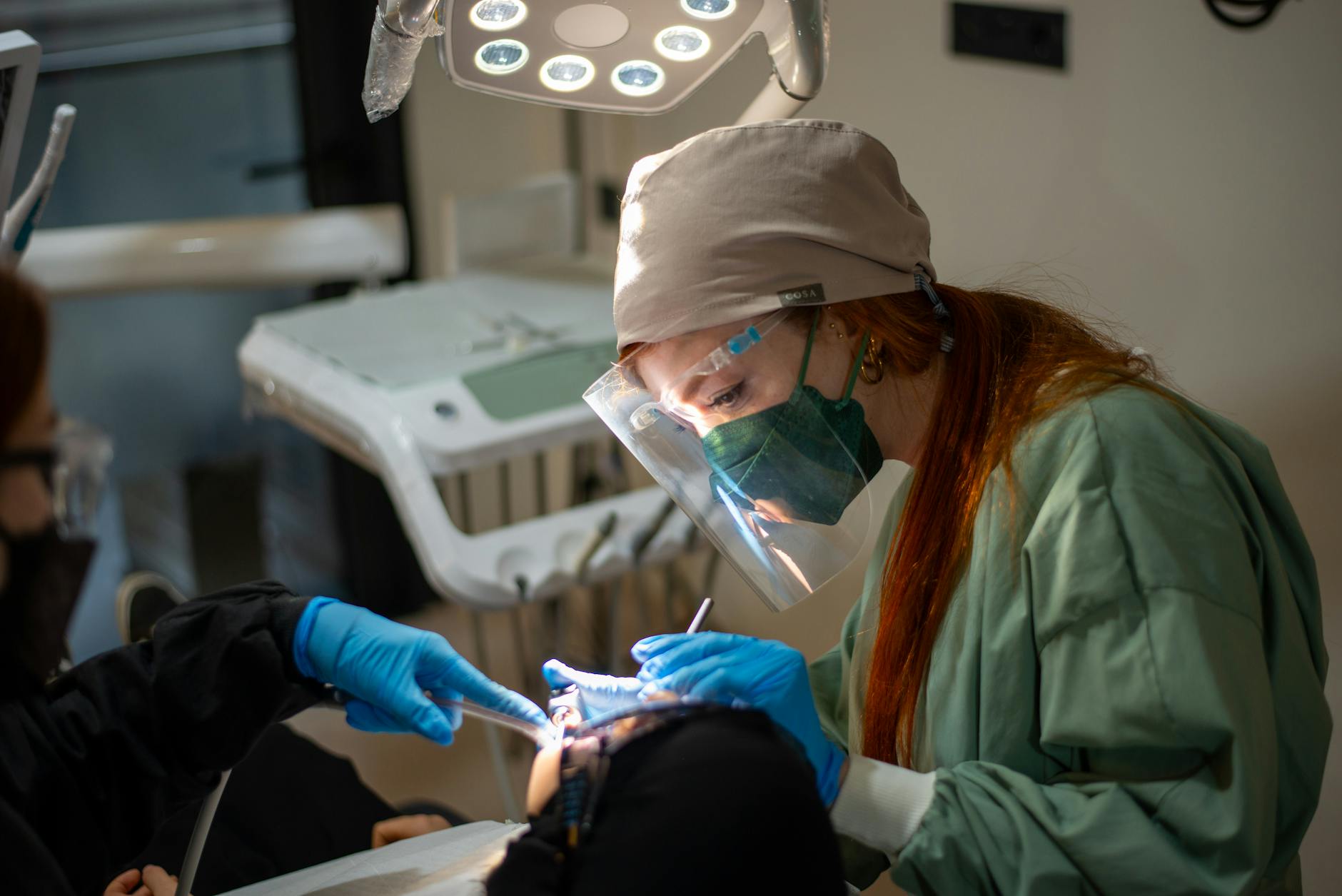
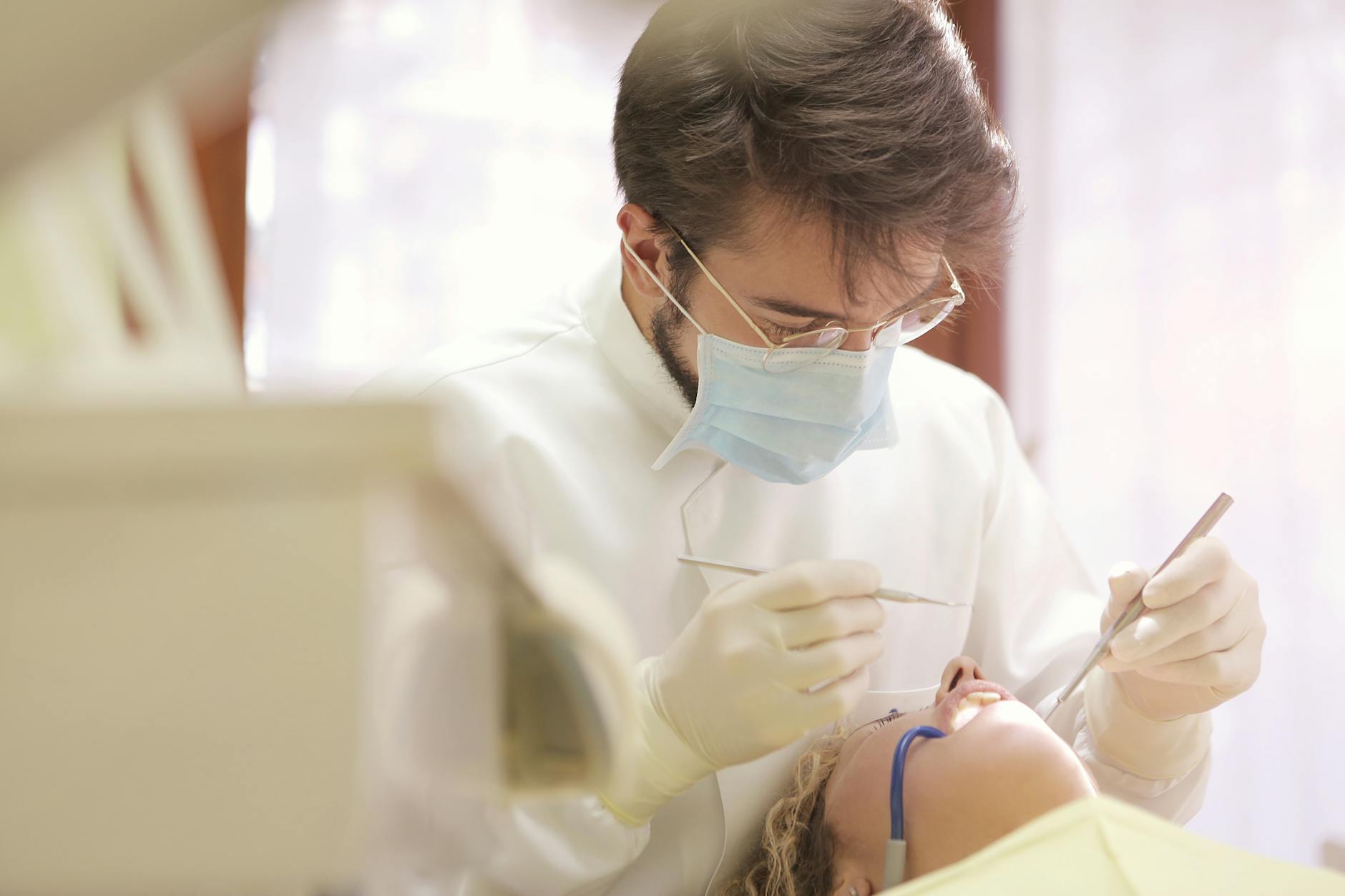
When you arrive after a playground dental accident, our team will greet you, quickly note your child’s main concern, and guide you to a comfortable room. We’ll perform a gentle exam to check the injured teeth, gums, and surrounding tissues, and take low-exposure X‑rays only if they’re needed to see what’s happening beneath the surface. We focus first on keeping your child calm and protecting the injured area, then we’ll explain immediate next steps and a clear plan for follow‑up. During business hours (9:00am–5:00pm Mon–Thurs, 9:00am–2:00pm Fri), calling before you head over helps us prepare for your child’s needs.
At check‑in, we’ll confirm medical history, allergies, and how the injury happened, then obtain your consent for any recommended care. Comfort measures may include topical numbing gel or local anesthesia as appropriate, followed by careful cleaning of the area to remove debris. If a tooth is chipped or fractured, we may smooth sharp edges or place a protective material; when suitable, we’ll discuss emergency tooth repair to shield the tooth and support normal biting. Loose or displaced teeth can sometimes be gently repositioned and stabilized; soft‑tissue cuts may be cleaned and closed if indicated, or we’ll coordinate a referral for more complex injuries. We’ll review safe at‑home steps—soft foods, keeping the area clean, and using a cold compress on the cheek—plus written aftercare and a follow‑up schedule. Before you arrive, you can gently rinse with water, apply light pressure with clean gauze for bleeding, use a cold compress for swelling, and bring any tooth fragments in milk or saliva (do not scrub them). If you’re unsure what to do, call our Glendale office during business hours so we can advise you on next steps; when to call now: if bleeding won’t stop with pressure, a permanent tooth is knocked out, or swelling is rapidly increasing.
Preventing Future Playground Accidents
To lower the chance of a playground dental accident, focus on simple, consistent habits and safer play settings. Choose parks with impact-absorbing surfaces (rubber or wood chips), and encourage age-appropriate equipment use with two hands on bars and feet-first slides. For contact or high-energy activities, have your child wear a well-fitted mouthguard; remind them not to run with objects in their mouth, bite equipment, or carry bottles or toys between their teeth. Well-tied shoes and a quick scan for wet or crowded equipment also help cut down on face-first falls.
Build a basic plan at home so you can act quickly: keep clean gauze and a small, lidded container handy, and know which nearby playgrounds have safer surfacing. Schedule routine dental checkups to monitor teeth, gums, and any orthodontic hardware, and to update mouthguard fit as your child grows. If your child recently chipped a tooth or has a sharp edge from play, we can assess and smooth it during business hours and discuss options such as emergency tooth repair. For prompt attention, call our Glendale office 9:00am–5:00pm Mon–Thurs and 9:00am–2:00pm Fri; when to call now: if there’s ongoing mouth pain, a loose or chipped tooth, or bleeding that doesn’t stop with gentle pressure.
The Role of Protective Gear
Protective gear—especially a well-fitted mouthguard and a sport-appropriate helmet—helps absorb impact and lower the chance of chipped, loosened, or knocked-out teeth, as well as cuts to the lips and cheeks. It cannot prevent every playground dental accident, but it often reduces the severity so your child can be treated more comfortably. Fit and condition matter: a mouthguard that’s too small, cracked, or chewed-through offers far less protection, and a loose chinstrap or helmet can shift right before contact. Consistent use during sports and active play around slides, swings, and scooters is the best way to keep small mishaps from becoming major injuries.
- After a fall or collision, have your child rinse gently with cool water and look for tooth fragments; place any piece you find in milk or saliva and bring it with you.
- Control oozing by having your child bite gently on clean gauze or a damp washcloth; apply a cold compress to the cheek for 10-minute intervals to limit swelling.
- Do not reinsert a broken mouthguard or keep it in during active bleeding; save the guard and bring it so we can check fit and advise on replacement.
- Avoid wiggling a loose tooth, biting hard foods, or using the front teeth to open packages; choose soft, cool foods until we evaluate.
- If a bracket, wire, or sharp edge from damaged gear is irritating the mouth, cover the spot with clean orthodontic wax or a small piece of damp gauze until your visit.
- If a permanent tooth is completely out, do not scrub the root; keep the tooth moist in milk or saliva and bring it straight to the appointment.
Even with good gear, we recommend a same-day dental check after facial impact, especially if a tooth feels high to bite on, is sensitive to cold, or a lip or gum cut looks deep. Our Glendale team can see your child during business hours (9:00am–5:00pm Monday–Thursday, 9:00am–2:00pm Friday) and coordinate next steps such as emergency tooth repair when appropriate. Call our office during open hours for prompt guidance and an exam so we can help protect developing teeth after a hit. When to call now: contact us during business hours if your child has a loose, chipped, or knocked tooth, persistent bleeding, facial swelling, or pain that worsens when biting.
Understanding Tooth Fractures
Tooth fractures in children range from small enamel chips to deeper cracks that reach the inner layers of the tooth. A playground dental accident can create sharp edges, temperature sensitivity, or biting pain, and both baby and permanent teeth should be checked if they’re injured. Early evaluation helps protect the tooth, reduce discomfort, and prevent problems that can be harder to manage later, so a prompt, calm plan matters.
Right after an injury, have your child gently rinse with lukewarm water and place clean gauze with light pressure if there’s bleeding; a cold compress on the cheek can help with swelling. Do not scrub or glue broken pieces; if you find a fragment, keep it moist in milk or saline and bring it with you. Try to keep food soft and on the opposite side, and if a sharp edge is rubbing the lip or cheek, you can place orthodontic wax or a small piece of sugar-free gum over it until we see your child. In our Glendale office, we’ll examine the tooth, check how deep the fracture may be, and discuss comfortable, conservative options that may include smoothing sharp areas, protective coverings, or emergency tooth repair when appropriate; for baby teeth, we also consider how the developing adult tooth factors into next steps. We aim to evaluate your child promptly during business hours—9:00am–5:00pm Mon–Thurs and 9:00am–2:00pm Fri—so please call to arrange the earliest available visit; when to call now: if pain persists, a tooth looks broken or loose, or bleeding doesn’t slow after gentle pressure for several minutes.
Managing Pain After an Accident
Managing pain after a dental accident is about keeping your child comfortable while you arrange an exam. If your child has a playground dental accident, start with calm reassurance and simple, safe steps that reduce swelling and irritation. Avoid placing aspirin on gums or teeth, and don’t try to move or test any injured tooth. We’re available to guide you during business hours if you need help deciding what to do next.
- Apply a cold compress to the cheek (not inside the mouth) for about 10 minutes at a time with short breaks to reduce swelling and dull discomfort.
- If not actively bleeding, older children can gently rinse with warm saltwater (about 1/2 teaspoon salt in 1 cup warm water) to soothe tissues; younger children can sip and carefully spit plain water.
- Consider an age-appropriate over-the-counter pain reliever as directed by the label or your pediatrician; do not place pain meds directly on the gums and avoid aspirin for children.
- Protect the area: offer soft, cool foods; avoid hot, spicy, or crunchy items; and skip straws or vigorous swishing that could disturb a forming clot.
- If a sharp tooth edge is irritating the cheek or tongue, cover it with orthodontic wax or a small piece of sugar-free gum until we can smooth or repair it.
- Have your child rest with their head elevated to lessen throbbing, and remind them not to poke the area with fingers or their tongue.
Pain that lingers with temperature changes or wakes your child at night should be evaluated promptly; our Glendale team can see your child during 9:00am–5:00pm Monday–Thursday and 9:00am–2:00pm Friday. If you’re unsure what to do next, call us during those hours for guidance, or read more on our emergency tooth pain relief page. Early care helps prevent worsening discomfort and protects your child’s smile. When to call now: contact our office during business hours if pain is severe or worsening, swelling spreads to the face, there’s fever, or bleeding doesn’t slow with gentle pressure.
Frequently Asked Questions
Here are quick answers to common questions people have about Playground Dental Accidents in Kids in Glendale, AZ.
- What should I do if my child’s tooth is knocked out at the playground?
If a permanent tooth is knocked out, handle it by the crown, rinse gently if dirty, and place it in milk or saline to keep it moist. Don’t scrub or let it dry. Avoid reinserting a baby tooth. Call our Glendale office immediately during business hours for guidance and to arrange a same-day visit.
- How can I manage a chipped tooth until seeing a dentist?
If your child chips a tooth, rinse their mouth gently and check for sharp edges. Save any tooth fragments and bring them to your appointment. Avoid letting your child chew on the affected side, and provide soft, cool foods. Call us during business hours to discuss emergency tooth repair options.
- What are common signs of a serious dental injury at the playground?
Serious signs include a knocked-out tooth, significant bleeding, swelling, a tooth that feels loose or looks out of position, and severe pain when biting. If these occur, contact us during business hours in Glendale immediately to assess the situation and protect your child’s dental health.
- What home care can I provide after a playground fall?
Have your child rinse gently with lukewarm water, apply light pressure with clean gauze to any bleeding area, and use a cold compress on the cheek to reduce swelling. Avoid giving aspirin or topical numbing gels. Call our office during business hours to determine the next steps.
- Should I call a dentist for a small dental injury?
Even for minor injuries, such as chips or cuts inside the mouth, it’s wise to call a dentist during business hours. We can assess the injury’s extent and suggest protective measures to prevent further complications, ensuring your child’s comfort and dental health.
- How can I help prevent playground dental accidents?
To prevent accidents, ensure your child plays on equipment appropriate for their age, use parks with impact-absorbing surfaces, and encourage wearing a well-fitted mouthguard during high-energy activities. Regular dental checkups also help monitor and protect teeth.
Medical sources (PubMed)
- Carrasco-Labra A, et al. JADA. 2023. “Evidence-based clinical practice guideline for the pharmacologic management of acute dental pain in children: A report from the American Dental Association Science and Research Institute, the University of Pittsburgh School of Dental Medicine, and the Center for Integrative Global Oral Health at the University of Pennsylvania.”. PMID: 37634915 / DOI: 10.1016/j.adaj.2023.06.014
- Lockhart PB, et al. JADA. 2019. “Evidence-based clinical practice guideline on antibiotic use for the urgent management of pulpal- and periapical-related dental pain and intraoral swelling: A report from the American Dental Association.”. PMID: 31668170 / DOI: 10.1016/j.adaj.2019.08.020
- Carrasco-Labra A, et al. JADA. 2024. “Evidence-based clinical practice guideline for the pharmacologic management of acute dental pain in adolescents, adults, and older adults: A report from the American Dental Association Science and Research Institute, the University of Pittsburgh, and the University of Pennsylvania.”. PMID: 38325969 / DOI: 10.1016/j.adaj.2023.10.009
- Mathis J, et al. J Vet Dent. 2025. “Oral and Dental Pain Management.”. PMID: 39311042 / DOI: 10.1177/08987564241279550
- Mohn A, et al. Eur J Paediatr Dent. 2025. “Dental pain in children: pharmacological management.”. PMID: 40207859 / DOI: 10.23804/ejpd.2025.2190
- Pergolizzi JV, et al. Expert Opin Pharmacother. 2020. “The pharmacological management of dental pain.”. PMID: 32027199 / DOI: 10.1080/14656566.2020.1718651