Understanding Root Canal Retreatment
Root canal retreatment is a follow-up procedure for a tooth that had a prior root canal but has developed new symptoms or signs of problems. During retreatment, the tooth is re-opened so the old canal material can be removed, the canals can be carefully cleaned and disinfected again, and a new seal can be placed to help protect the area from bacteria. It may be recommended if there’s new decay under a crown, a leaking or cracked filling, a missed canal, or reinfection over time. If a previously treated tooth is bothering you in Glendale, we’ll examine it and explain practical options after we identify the likely cause.
Common reasons to schedule an exam include temperature sensitivity that lingers, soreness when biting, a pimple on the gum, swelling, or discomfort returning months or years after the first treatment. At your visit, we’ll take updated images, check the existing restoration, and if appropriate, numb the area, create a small access through the crown or tooth, remove old canal materials, disinfect the canals, and reseal them; a temporary filling may be placed before final repair is arranged. Until we see you, keep the area clean, avoid chewing hard foods on that side, apply a cold compress on the cheek for swelling, and consider over‑the‑counter pain relievers as directed if you can take them safely. If retreatment appears suitable, we’ll review next steps and our approach to emergency root canal treatment in Glendale, and if not, we’ll discuss appropriate alternatives without delay. Please call during business hours (9:00am – 5:00pm, Mon – Thurs, and 9:00am – 2:00pm Fri) so we can evaluate you promptly; when to call now: contact us today if you notice spreading swelling, fever, or severe, lingering pain in a tooth that already had a root canal.
Common Reasons for Retreatment
Even a well-done root canal can sometimes need a second look if the tooth doesn’t heal as expected or becomes re-infected later. Common triggers include hidden or unusually shaped canals that were hard to clean fully, new decay that sneaks in around an old filling or crown, a leaking or loosened restoration, or a small crack that opens a pathway for bacteria. Trauma, delays in placing the final crown, or changes in your bite can also stress a previously treated tooth. In these situations, root canal retreatment is considered to remove new bacteria, refresh the seal, and give the tooth another chance to calm down.
Missed or complex canal anatomy is a frequent reason—tiny side canals, sharp curves, or calcifications can shelter bacteria that later flare up. New decay at the edge of a filling or crown can create a fresh entry point, and aging or poorly fitting restorations may allow saliva and microbes to leak under the seal. Hairline fractures from clenching, grinding, or biting something hard can let irritants reach the nerve space. Gum disease around the tooth or postponing the final crown after the first procedure can also compromise the seal. Signs that warrant an exam include lingering sensitivity to hot or cold, pain when biting, swelling, a pimple on the gums, or a bad taste; these are not a diagnosis, but they’re good reasons to call. For short-term comfort until you can be seen, you can rinse gently with lukewarm salt water, use a cold compress on the cheek, keep food off that side, and consider over‑the‑counter pain relievers as directed if appropriate for you; avoid heat and never place aspirin on the tooth or gums. If you’re noticing deep, temperature‑lingering pain, ask about our emergency root canal treatment in Glendale so we can evaluate the tooth during business hours (9:00am–5:00pm Mon–Thurs, 9:00am–2:00pm Fri). When to call now: if pain, swelling, or a gum pimple appears near a previously treated tooth, contact our Glendale office during business hours for prompt evaluation.
When to Call a Dentist
If a tooth that previously had a root canal starts hurting, feels tender when you bite, or your gums look puffy or develop a small pimple, it’s time to call a dentist. Problems like these seldom go away on their own, and early care can keep a small issue from becoming a larger one. During our business hours (9:00am–5:00pm Mon–Thurs, 9:00am–2:00pm Fri), we can evaluate the tooth, ease discomfort, and discuss options, which may include root canal retreatment if appropriate.
Reach out the same day if you notice deep, lingering sensitivity to hot or cold; new or worsening pain with chewing or pressure; gum swelling, a pimple that drains, or a persistent bad taste; a crown or filling that feels loose, cracked, or suddenly high; or a tooth that never fully settled after the first procedure. Keep the area clean with gentle, lukewarm saltwater rinses, avoid chewing on that side, and consider over-the-counter pain relievers as directed until you’re seen; a cold compress on the cheek can also help with minor swelling. If temperature changes trigger pain that lingers, you can read about our emergency root canal treatment in Glendale to understand how we address nerve-related tooth pain. While online tips can help you stay comfortable for a short time, they are not a substitute for an in-person exam here in Glendale during business hours so we can pinpoint the cause and outline next steps. When to call now: if pain is persistent or swelling appears, contact our office during business hours today for prompt evaluation.
Symptoms of a Failed Root Canal
A failed root canal means bacteria or inflammation has returned to a tooth that was treated before. Signs can appear soon after treatment or months to years later, and they can range from subtle to obvious. Only an exam and updated X-rays can confirm what’s happening, but certain changes are common warning signs you shouldn’t ignore.
- Lingering sensitivity to hot or cold that lasts after the temperature source is gone.
- Deep, throbbing pain or pressure in the tooth or jaw.
- Pain when biting or tapping, or a tooth that suddenly feels “high.”
- Gum swelling, a pimple/boil, or a salty/bad taste from drainage near that tooth.
- Facial or jaw swelling, or tenderness under the jaw.
- Darkening of the tooth or a recurring foul odor around it.
If you notice these symptoms, call our Glendale office during business hours (9:00am–5:00pm Mon–Thu, 9:00am–2:00pm Fri) so we can evaluate the tooth and relieve discomfort safely. Until you’re seen, keep the area clean with gentle brushing and a lukewarm saltwater rinse, avoid chewing on that side and very hot or cold foods, and consider over‑the‑counter pain relievers as directed; a cold compress on the cheek may help with swelling. Do not apply aspirin to the gum or tooth, avoid heat on the face, and don’t try to drain any bump yourself. Depending on your exam, care may involve adjustments to existing work, infection control, or procedures such as root canal retreatment; people with strong, temperature‑triggered pain that lingers may be candidates for emergency root canal treatment in Glendale. When to call now: if you have spreading swelling, fever, or worsening pain, please phone our team immediately during business hours.
What to Expect at Your Visit
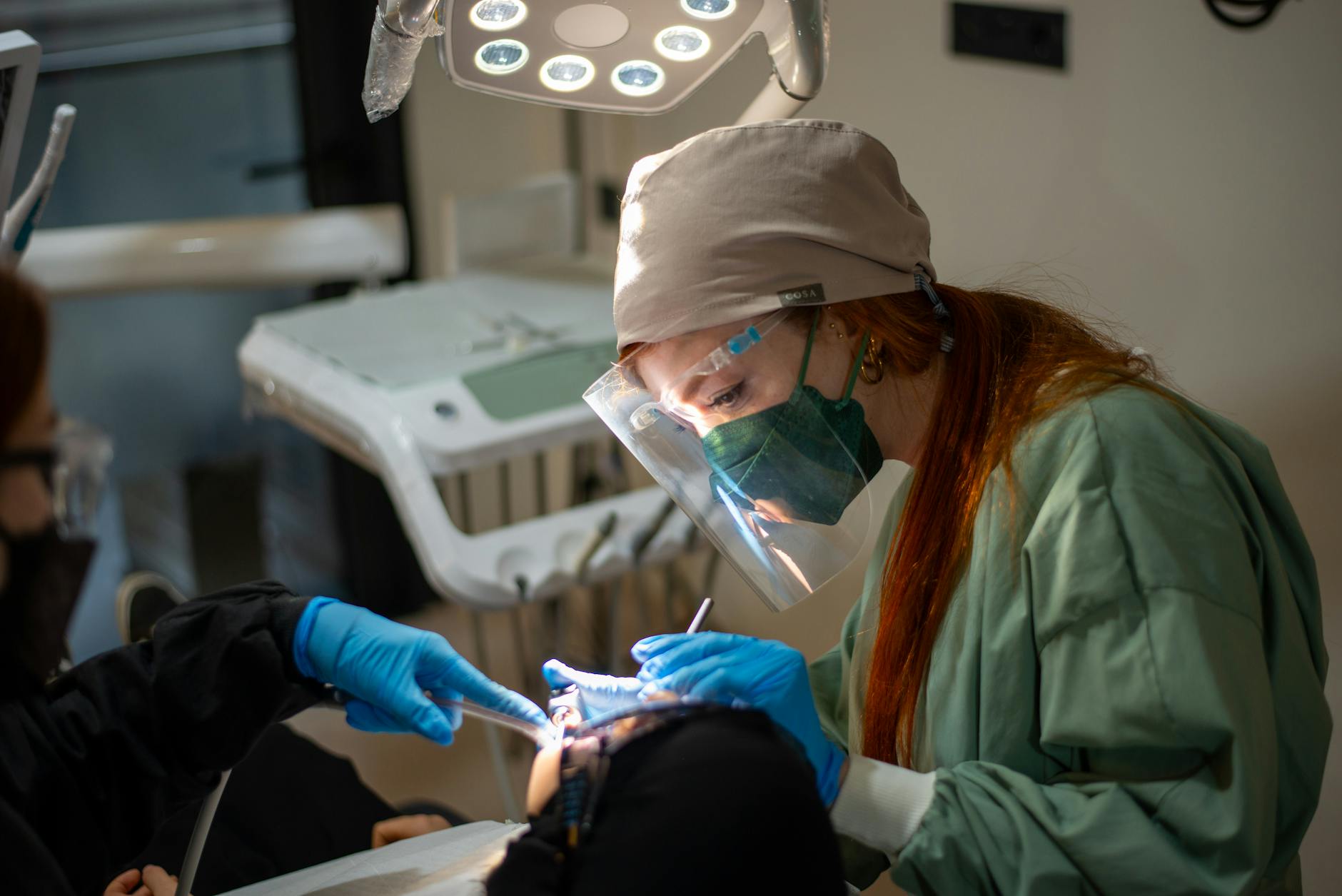
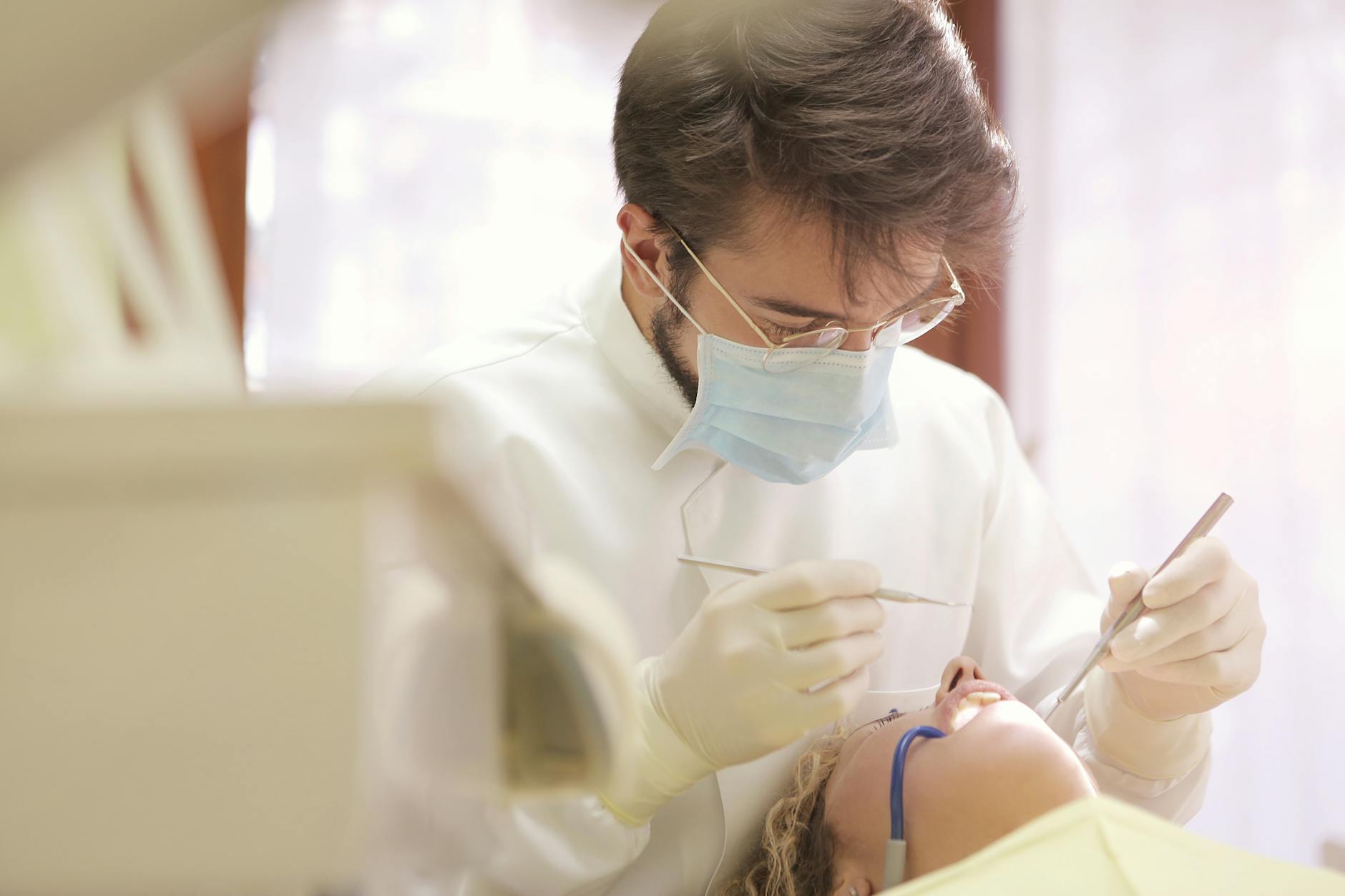
At your visit, we start by listening to your symptoms and reviewing your dental history, then take new X-rays (and 3D imaging if indicated) to understand why the tooth is acting up after prior treatment. We’ll explain the findings in plain language and walk you through the plan so you know what will happen before anything begins. With your comfort prioritized, the tooth is thoroughly numbed and isolated before we begin root canal retreatment.
- Create a small opening through the existing filling or crown to access the canal system as conservatively as possible.
- Gently remove the old root canal filling material so the canals can be cleaned fully.
- Inspect for missed or blocked canals and other concerns; carefully locate, clear, and shape canals as needed.
- Rinse and disinfect the canals thoroughly; if inflammation is significant, a medicated dressing may be placed.
- Depending on what we find, either complete cleaning and sealing in one visit or place a temporary material and schedule a follow-up.
- Seal the canals and place a temporary filling; we’ll discuss protecting the tooth and coordinating with your dentist for the final restoration.
After your appointment, some tenderness to chewing or temperature can occur for a day or two. For comfort at home, stick with soft foods, chew on the opposite side, use a cool compress in short intervals, and consider over-the-counter pain relievers you can safely take as directed on the label; avoid hard or sticky foods on the treated tooth, and call us if a temporary filling loosens. If your pain is deep and lingers with hot or cold, you can read more about our emergency root canal treatment in Glendale. We encourage prompt, in-person care during our business hours: 9:00am – 5:00pm, Mon – Thurs, and 9:00am – 2:00pm Fri. When to call now: increasing swelling, worsening pain, or drainage are reasons to contact us during business hours for timely evaluation.
The Retreatment Process Explained
Root canal retreatment is a second chance for a previously treated tooth that’s still sensitive, hurting, or showing signs of reinfection. During business hours, we evaluate why the first treatment isn’t serving the tooth anymore—missed canals, new decay, a loose crown, or a tiny fracture—and plan a careful, step-by-step approach to clean and seal the roots again. If your discomfort is deep and lingers with hot or cold, ask about our emergency root canal treatment in Glendale. Until you’re seen, keep the area clean with a gentle lukewarm saltwater rinse, avoid chewing on that side, and consider over-the-counter pain relievers as directed if appropriate for you; then call to schedule an exam between 9:00am–5:00pm Mon–Thu or 9:00am–2:00pm Fri.
- Assessment and numbing: We review your symptoms and history, take new images as needed, discuss options and expected steps, and thoroughly numb the tooth to keep you comfortable.
- Re-entry and isolation: The dentist re-opens the tooth through the existing filling or crown, then isolates it with a small dental dam to keep the area clean and dry.
- Removing old materials: Old root-filling material is carefully removed, and the canals are re-explored and irrigated with disinfecting solutions to flush out bacteria and debris.
- Addressing missed issues: The dentist looks for hidden canals, new decay, tiny fractures, or obstructions; if a post or blockage is present, it may be removed with specialized techniques. A medicated dressing and temporary filling may be placed between visits if the tooth needs more time to settle.
- Refilling and sealing: Once the canals are clean and dry, they are reshaped if needed and sealed with fresh, biocompatible material. The access is sealed to help keep saliva and bacteria out.
- Final restoration and follow-up: The tooth is reinforced with a new filling or core, and a new crown or crown replacement is typically recommended to protect it. You’ll receive gentle aftercare guidance and a follow-up to monitor healing.
Anesthetic Options for Retreatment
During root canal retreatment, your dentist uses a local anesthetic to thoroughly numb the tooth and surrounding tissues so you stay comfortable while we work. A topical gel is placed first to take the sting out of numbing injections, and anesthetic can be reinforced at any point if you start to feel sensation. If dental anxiety is a concern, ask about light sedation; options commonly used in general practice include nitrous oxide (laughing gas), which provides relaxation and wears off quickly, or a short-acting oral medication when appropriate based on your health history and the timing needed to monitor you safely.
What you can expect: you may feel pressure and vibration, but you should not feel sharp pain—tell us right away if you do so we can pause and add more anesthetic. In teeth with active inflammation, getting deeply numb can take extra time, which is normal and part of doing this carefully. While you’re waiting to be seen during business hours, you may use an over-the-counter pain reliever as directed if it’s safe for you, place a cold compress on the cheek for 10–15 minutes at a time, avoid chewing on the affected side, and steer clear of very hot, very cold, or very sweet foods; avoid placing aspirin on the tooth or gums. If your pain is deep and lingers with temperature, ask about our emergency root canal treatment in Glendale so we can review the best next step. Call our Glendale office during 9:00am–5:00pm Mon–Thurs or 9:00am–2:00pm Fri if you have facial swelling, fever, spreading discomfort, or pain that’s preventing sleep.
Home Care Before Your Appointment
Simple steps at home can help calm the area and keep it clean until we examine you. These are short-term measures only; the underlying problem needs in-office evaluation and treatment. Please call to arrange a prompt visit during our business hours (9:00am – 5:00pm, Mon – Thurs, and 9:00am – 2:00pm Fri), especially if you think you may need root canal retreatment.
- Rinse gently with warm saltwater (about a half-teaspoon of salt in a cup of warm water) to soothe tissues and help reduce surface bacteria; avoid vigorous swishing.
- Keep the area clean: brush softly with a soft-bristled brush and floss carefully to remove trapped food; do not pick at the tooth or probe any opening if a filling has come out.
- Use a cold compress on the cheek over the sore area in 10-minute on/10-minute off cycles to ease tenderness; do not apply heat to your face.
- Take over-the-counter pain relievers you know are safe for you (such as acetaminophen or ibuprofen) and follow label directions; never place aspirin directly on the tooth or gum.
- Choose soft, lukewarm foods, chew on the opposite side, and avoid hard, sticky, very hot/cold, or sugary items that can irritate the tooth.
- Rest with your head slightly elevated to lessen throbbing, and avoid strenuous activity that can increase pulsation in the area.
Avoid home glues or do‑it‑yourself dental cements on crowns or fillings, and skip alcohol-based or peroxide rinses that may irritate tissues. If your pain is deep or lingers with hot or cold, our page on emergency root canal treatment in Glendale explains what to expect next and why timely care matters. When to call now: phone our office during business hours if pain or swelling is worsening, you notice a pimple-like bump with drainage on the gum, you develop facial swelling, or a crown/filling has come loose.
Aftercare Following Retreatment
After root canal retreatment, it’s normal to feel mild tenderness and sensitivity around the treated tooth as nearby tissues settle. Avoid chewing on that side until the numbness fully wears off, and be gentle if you have a temporary filling or crown so it stays secure. Keep the area clean and follow any instructions you received at your visit. Plan to complete any recommended follow-up so the tooth is fully sealed and protected.
For comfort, you may use over-the-counter pain relievers as directed on the label unless your physician has advised otherwise, and a cold compress on the cheek (10 minutes on, 10 minutes off) can help the first day. Choose soft foods today and avoid hard, crunchy, or sticky items; try not to bite directly on the treated tooth until your dentist clears you. Brush and floss as usual, taking care around any temporary—if a temporary crown is present, slide floss out rather than pulling up to avoid dislodging it. Gentle warm saltwater rinses (about 1/2 teaspoon of salt in a cup of warm water) can soothe the gums. If a temporary feels “high,” rough, or becomes loose, call our Glendale office during business hours (9:00am – 5:00pm, Mon – Thurs, and 9:00am – 2:00pm Fri) so we can adjust or replace it. Sensitivity that lingers to hot or cold, or pain that increases instead of easing, deserves a prompt exam; we can advise next steps, including options such as emergency root canal treatment in Glendale if appropriate. Call now if you develop severe or worsening pain, facial swelling, fever, a persistent bad taste or drainage, or if your temporary filling or crown comes out.
Potential Risks and Complications
Every procedure has trade-offs, and root canal retreatment is no exception. You may feel temporary tenderness, light swelling, or sensitivity for a day or two, which usually improves with time. Potential complications can include persistent infection in complex or hidden canals, separation of a fine instrument, a small canal perforation, or discovering a vertical tooth crack that limits how well the tooth can be saved. If you develop deep, temperature-lingering pain or biting pressure that doesn’t ease, our dentist may recommend further evaluation or care such as emergency root canal treatment in Glendale. Because teeth and canal anatomy vary, there are situations where results are limited and alternative options may be discussed after we examine you.
What to watch for at home: worsening pain or swelling after 48–72 hours, a pimple on the gum that drains, fever or chills, persistent bad taste, numbness that doesn’t fade after the day of care, a crown or temporary that loosens, or a bite that suddenly feels too high. Until we see you, use a cold compress on the cheek in short intervals, rinse gently with warm salt water, sleep with your head elevated, choose soft foods, avoid chewing on the treated side, and consider an over-the-counter pain reliever as directed if you can take it safely; never place aspirin on the tooth or gums. Please call our Glendale office during business hours (9:00am – 5:00pm, Mon – Thurs, and 9:00am – 2:00pm Fri) for guidance or a prompt visit so we can evaluate and relieve your symptoms. When to call now: if pain escalates, facial swelling spreads, you see drainage or fever, or anything feels not right, contact us during the hours above.
Success Rates of Root Canal Retreatment
Success depends on whether the source of reinfection can be found, cleaned, and sealed, and whether the tooth can be properly restored afterward. Many previously treated teeth become comfortable and functional again when missed canals, leaking fillings, or new decay are addressed, but outcomes vary from case to case. Factors that influence results include the tooth’s anatomy, the quality and age of the prior work, presence of cracks, gum support, and how long symptoms have been present. A prompt, careful evaluation improves the chances of a good result because it helps us plan the right sequence of care and protect the tooth with a lasting restoration.
At your visit, we’ll examine the tooth and take imaging to look for missed or blocked canals, deep decay under a crown, or signs of a crack; if the tooth is restorable, retreatment focuses on disinfecting the canals and resealing them, then restoring the tooth to keep bacteria out. Some cases may also need a new core or crown, and a small percentage may be better served with a surgical approach or alternative treatment; we will explain your options so you can choose confidently. While no dentist can promise a specific outcome, published evidence and everyday practice show that careful cleaning, a well-sealed root filling, and a sound final restoration are key to long-term comfort and function. Until we see you, keep the area clean with gentle brushing, avoid chewing hard or sticky foods on that side, use a cold compress for swelling, and consider over-the-counter pain relievers as directed if needed; do not place aspirin on the gums. For more on how urgent nerve-related pain is treated, see our page on emergency root canal treatment in Glendale. Call our Glendale office during business hours (9:00am–5:00pm Mon–Thurs, 9:00am–2:00pm Fri) to be seen promptly; when to call now: if a previously treated tooth has lingering sensitivity to hot or cold, nighttime throbbing, swelling, or a pimple on the gums.
Alternatives to Retreatment
If a previous root canal is acting up again, alternatives to root canal retreatment depend on the tooth’s condition, your symptoms, and what we see on exam. Sometimes the issue is outside the canal itself—such as a loose filling or crown—and repairing the restoration may resolve irritation. In other cases, a minor surgical option called an apicoectomy (removing the tip of the root and sealing it) may be considered to address infection around the end of the root. When a tooth is too damaged to restore, removal may be the healthiest choice, followed by a plan to replace the tooth once the area has healed.
Extraction is typically discussed when there is a deep crack, advanced decay, or repeated infection that makes long-term function unlikely; if that path is chosen, we’ll review temporary and future replacement options so you can chew and smile comfortably. For localized problems at the root tip, apicoectomy can sometimes address persistent infection while keeping the existing crown in place. If symptoms are mild and the tooth appears stable, short-term monitoring with protective adjustments to your bite may be reasonable, with clear follow-up. Until you’re seen, keep the area clean with gentle brushing and lukewarm saltwater rinses, use over-the-counter pain relievers as directed on the label, avoid chewing hard foods on that side, and apply a cold compress on the cheek for brief intervals if it’s sore. If the tooth cannot be restored, we can discuss emergency tooth extractions in Glendale and outline a step-by-step plan for replacement after healing. Appointments for evaluation are available during business hours (9:00am – 5:00pm, Mon–Thurs; 9:00am – 2:00pm Fri); when to call now: if you notice swelling, pain that interrupts sleep, or a new chip or loosened crown on a previously treated tooth, please contact us during those hours for prompt in-person care.
Frequently Asked Questions
Here are quick answers to common questions people have about What Is Root Canal Retreatment? in Glendale, AZ.
- What is root canal retreatment and why might I need it?
Root canal retreatment is a procedure for a tooth that already had a root canal but is experiencing problems again. You might need retreatment if the tooth has developed new symptoms like lingering sensitivity, gum swelling, or pain. These issues can be due to new decay, a leaking filling, or a missed canal. Retreatment involves reopening the tooth, cleaning the canals, and resealing them to address these problems.
- What symptoms indicate that I should consider root canal retreatment?
Consider root canal retreatment if you experience lingering sensitivity to hot or cold, deep pain when biting, swelling, or a pimple on the gums near a previously treated tooth. These symptoms suggest a possible reinfection or issue with the earlier treatment. It’s best to have the problem checked during business hours to explore available solutions.
- How should I care for my tooth before my retreatment appointment?
Before your appointment, gently rinse with warm saltwater to soothe and clean the affected area. Keep the area clean with soft brushing and flossing, and avoid chewing on the problematic side. A cold compress can help with swelling, and over-the-counter pain relievers can manage discomfort until your visit. Ensure any home remedies are safe and do not replace professional dental care.
- What happens during a root canal retreatment procedure?
During root canal retreatment, your tooth is numbed, and the dentist reopens it through the existing filling or crown. They remove old canal materials, disinfect, and inspect for any missed issues. After cleaning, the canals are sealed with fresh material, and a temporary filling is placed. The final restoration usually involves coordination with your regular dentist.
- What should I do if I experience increased pain or swelling after retreatment?
If you notice increased pain or swelling after your root canal retreatment, use a cold compress to ease tenderness, rinse with warm saltwater, and try over-the-counter pain relief if safe. Contact your dentist promptly during business hours, especially if you encounter significant swelling, fever, or persistent pain.
- Are there alternatives to root canal retreatment?
Yes, alternatives may include addressing the restoration if a loose crown or filling is the problem, or an apicoectomy if the infection is near the root tip. In some cases, when the tooth cannot be saved, extraction might be necessary. The appropriate option depends on your individual situation and will be discussed during your appointment.
Medical sources (PubMed)
- Carrasco-Labra A, et al. JADA. 2023. “Evidence-based clinical practice guideline for the pharmacologic management of acute dental pain in children: A report from the American Dental Association Science and Research Institute, the University of Pittsburgh School of Dental Medicine, and the Center for Integrative Global Oral Health at the University of Pennsylvania.”. PMID: 37634915 / DOI: 10.1016/j.adaj.2023.06.014
- Zhu L, et al. BMC Oral Health. 2024. “Full pulpotomy versus root canal therapy in mature teeth with irreversible pulpitis: a randomized controlled trial.”. PMID: 39415163 / DOI: 10.1186/s12903-024-05011-0
- Taha NA, et al. J Endod. 2023. “A Randomized Controlled Clinical Trial of Pulpotomy versus Root Canal Therapy in Mature Teeth with Irreversible Pulpitis: Outcome, Quality of Life, and Patients’ Satisfaction.”. PMID: 37080387 / DOI: 10.1016/j.joen.2023.04.001
- Lockhart PB, et al. JADA. 2019. “Evidence-based clinical practice guideline on antibiotic use for the urgent management of pulpal- and periapical-related dental pain and intraoral swelling: A report from the American Dental Association.”. PMID: 31668170 / DOI: 10.1016/j.adaj.2019.08.020
- Carrasco-Labra A, et al. JADA. 2024. “Evidence-based clinical practice guideline for the pharmacologic management of acute dental pain in adolescents, adults, and older adults: A report from the American Dental Association Science and Research Institute, the University of Pittsburgh, and the University of Pennsylvania.”. PMID: 38325969 / DOI: 10.1016/j.adaj.2023.10.009
- Louzada LM, et al. Int Endod J. 2025. “The effectiveness of partial pulpotomy compared with full pulpotomy in managing deep caries in vital permanent teeth with a diagnosis of non-traumatic pulpitis.”. PMID: 39264795 / DOI: 10.1111/iej.14149